
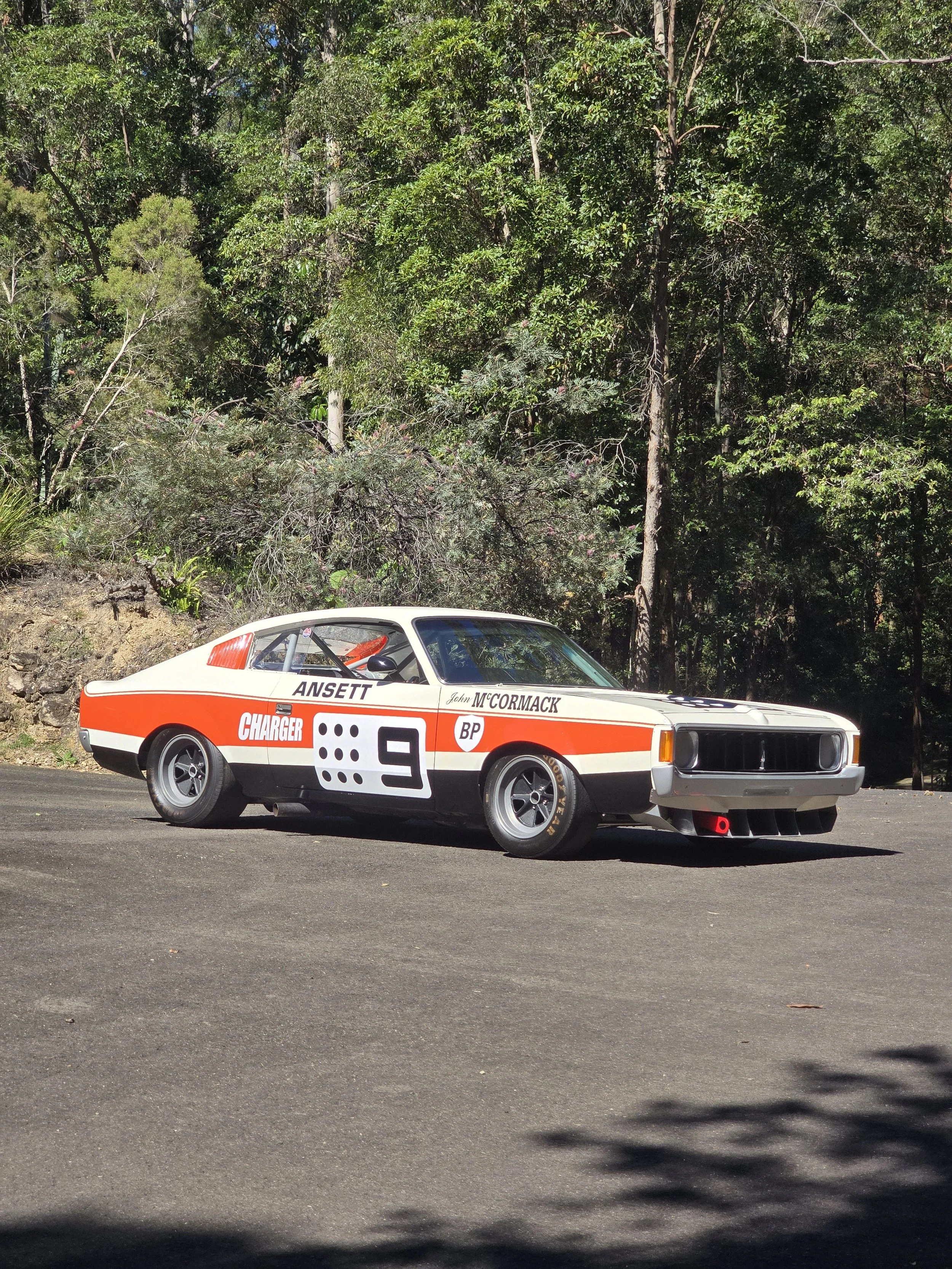
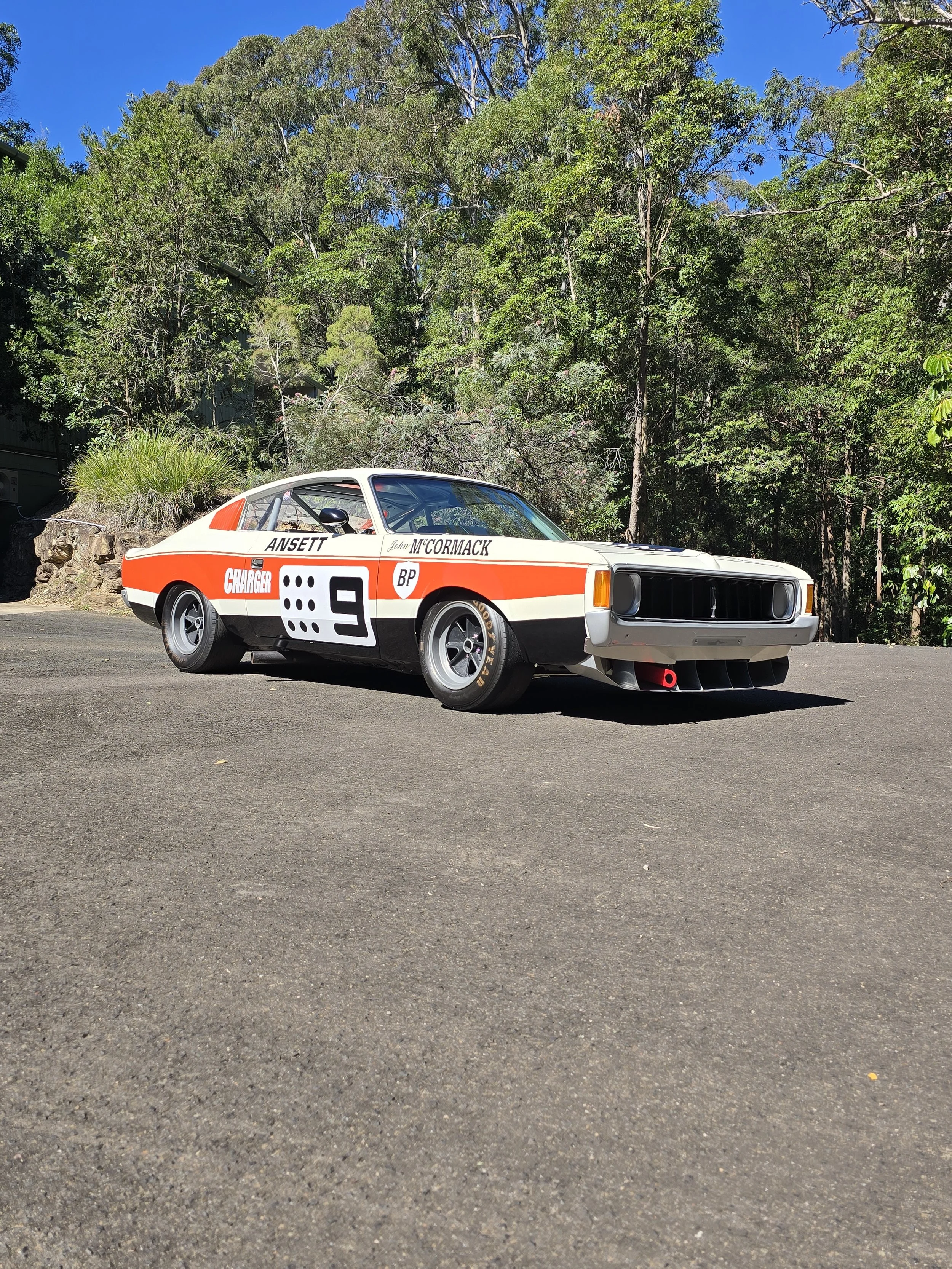
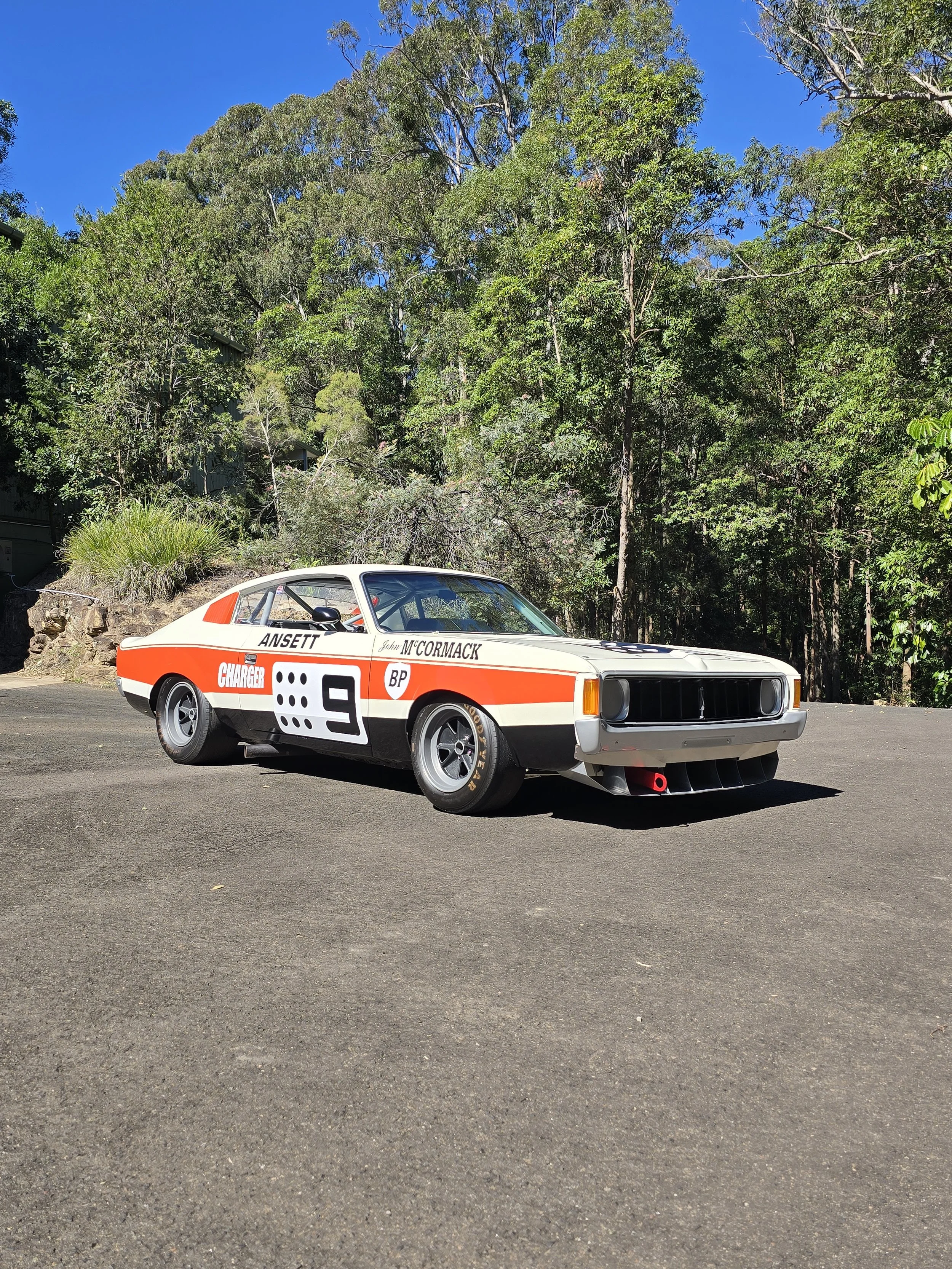
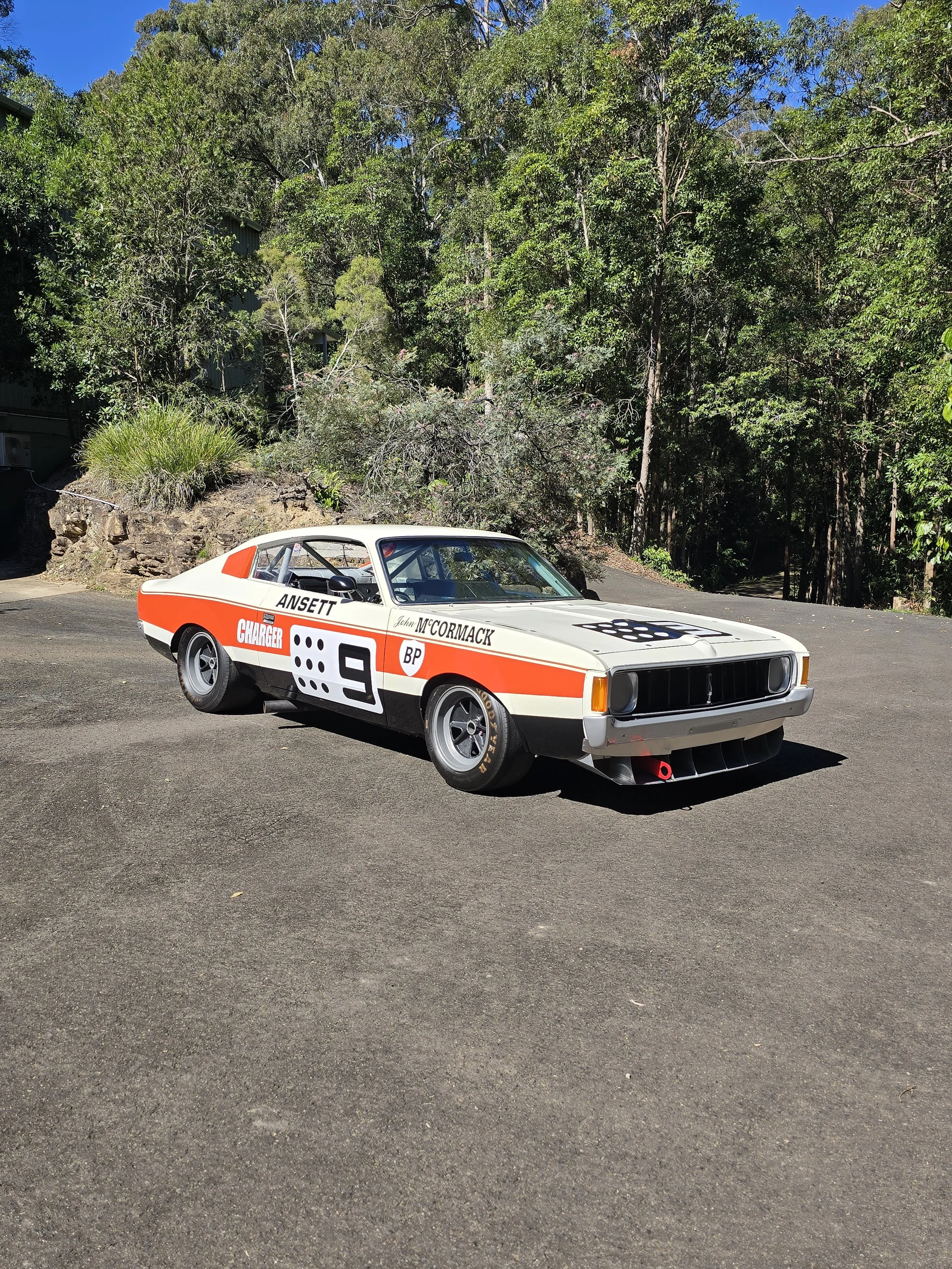
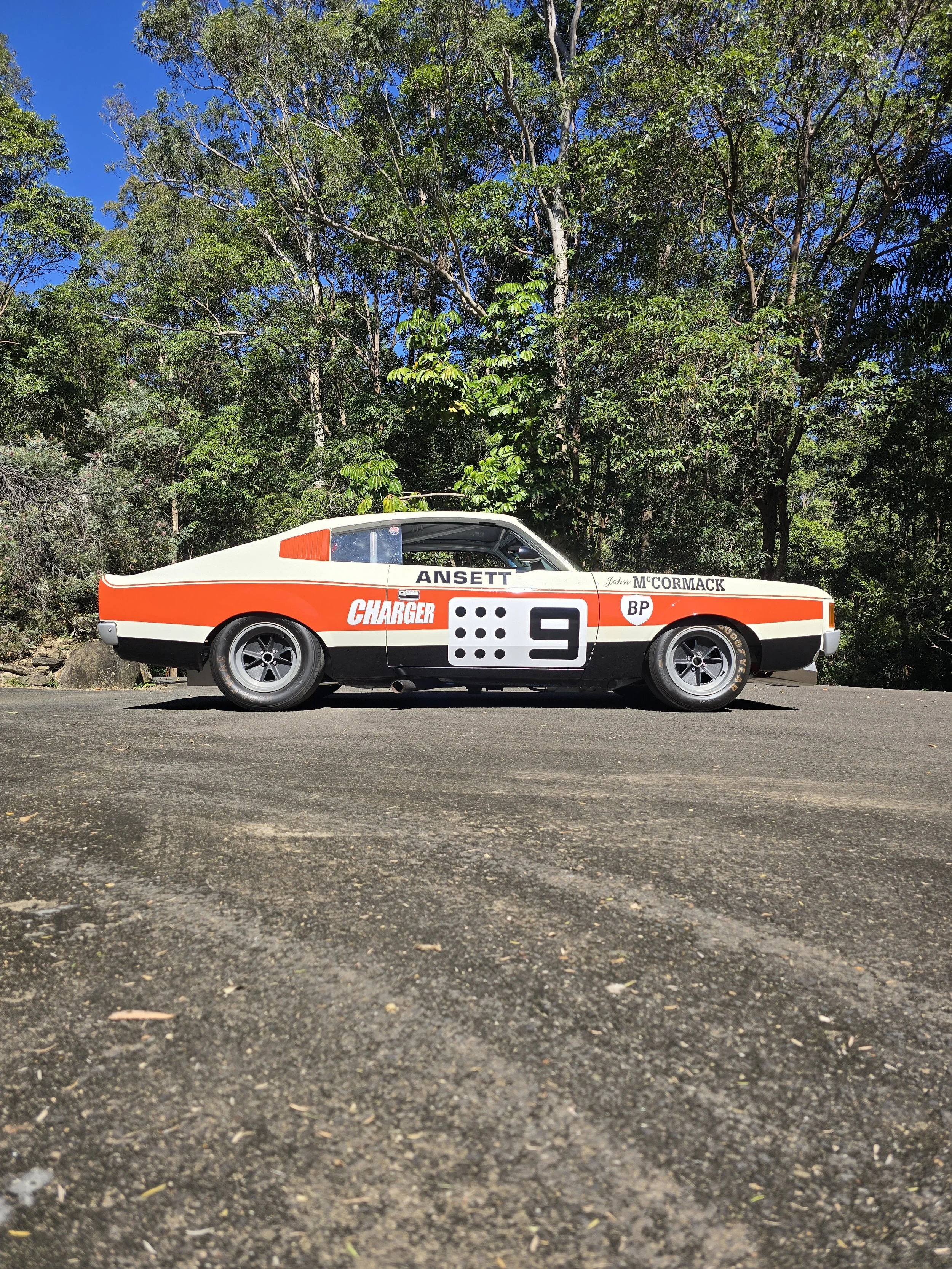
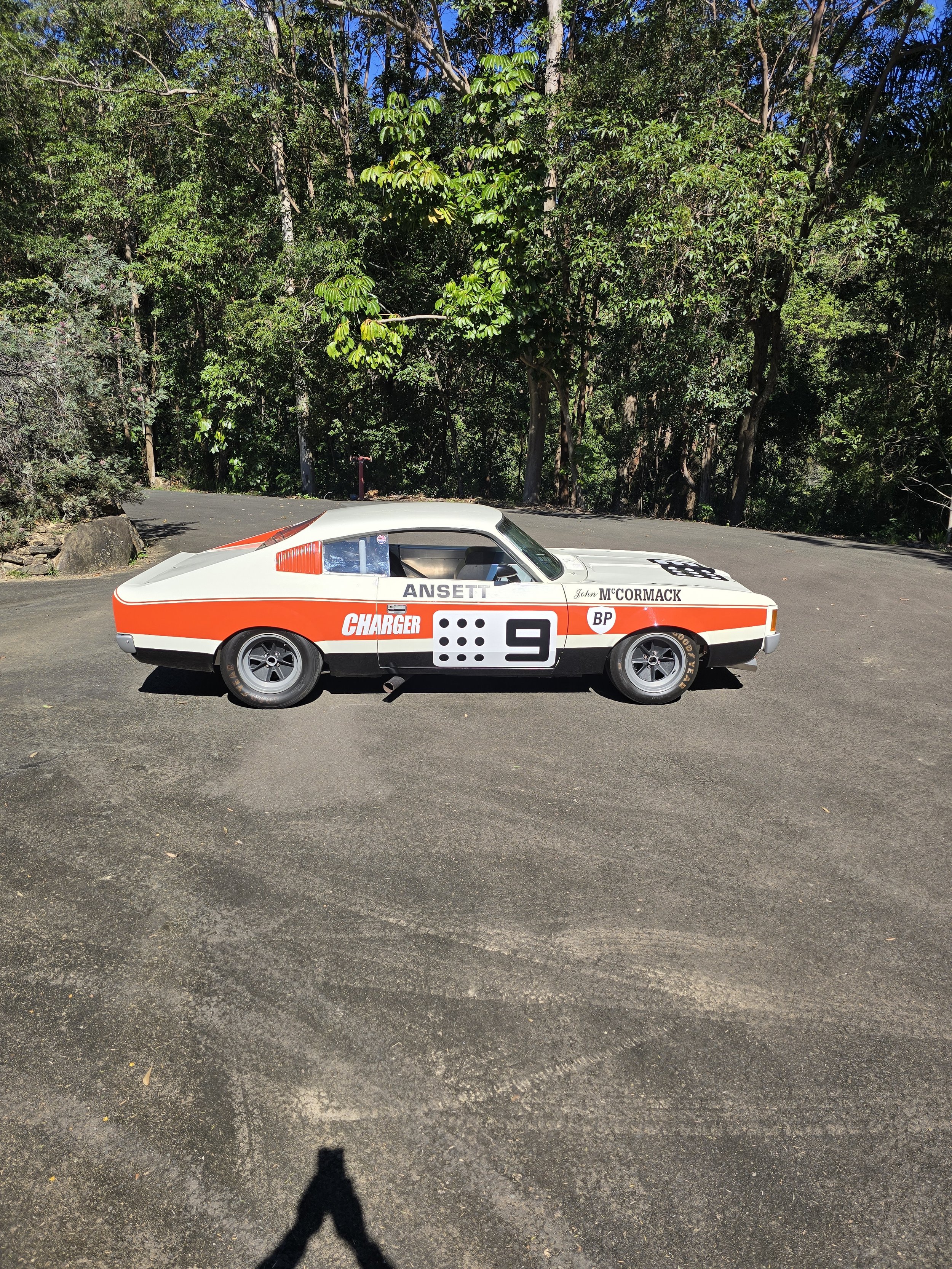
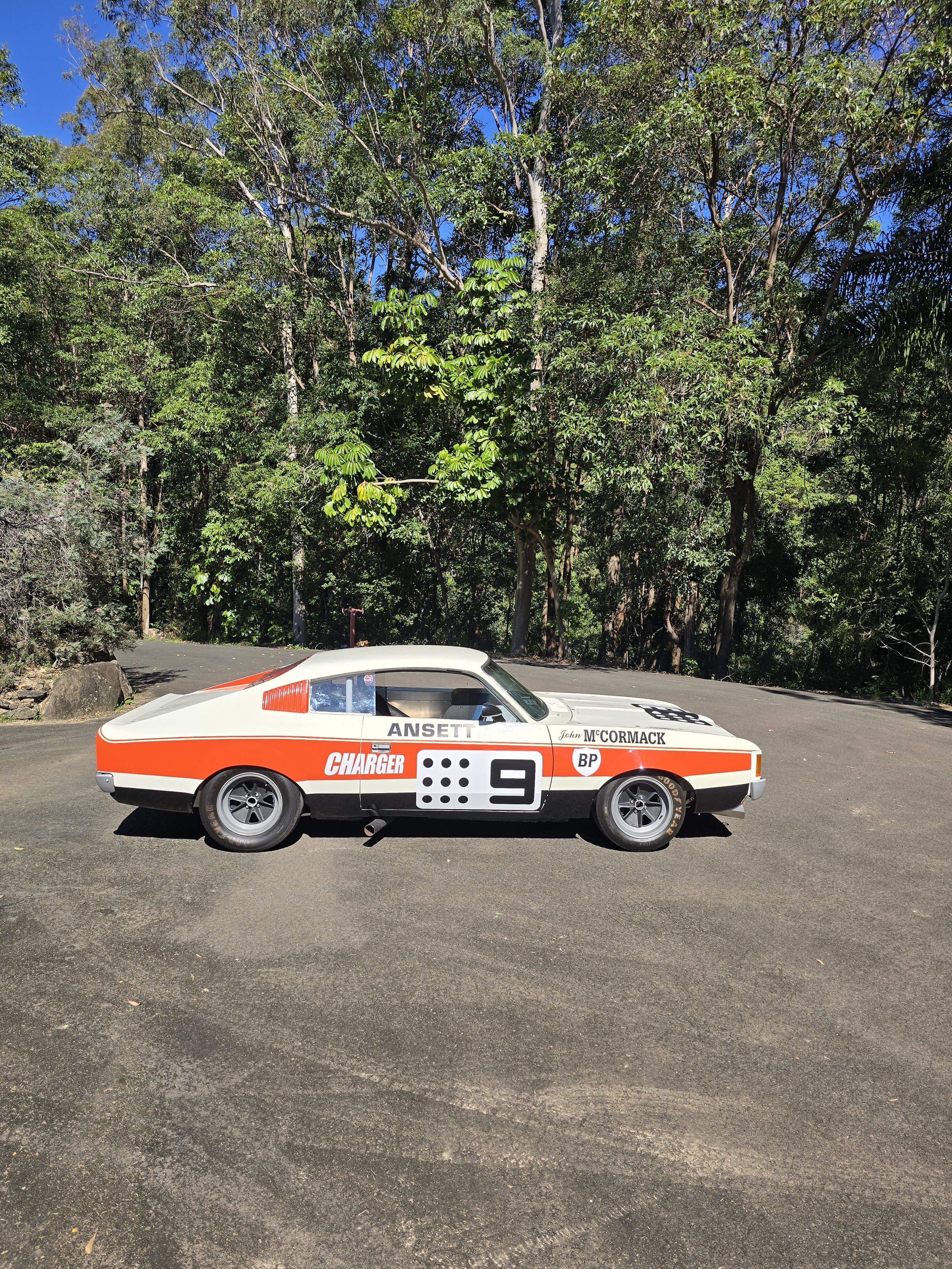
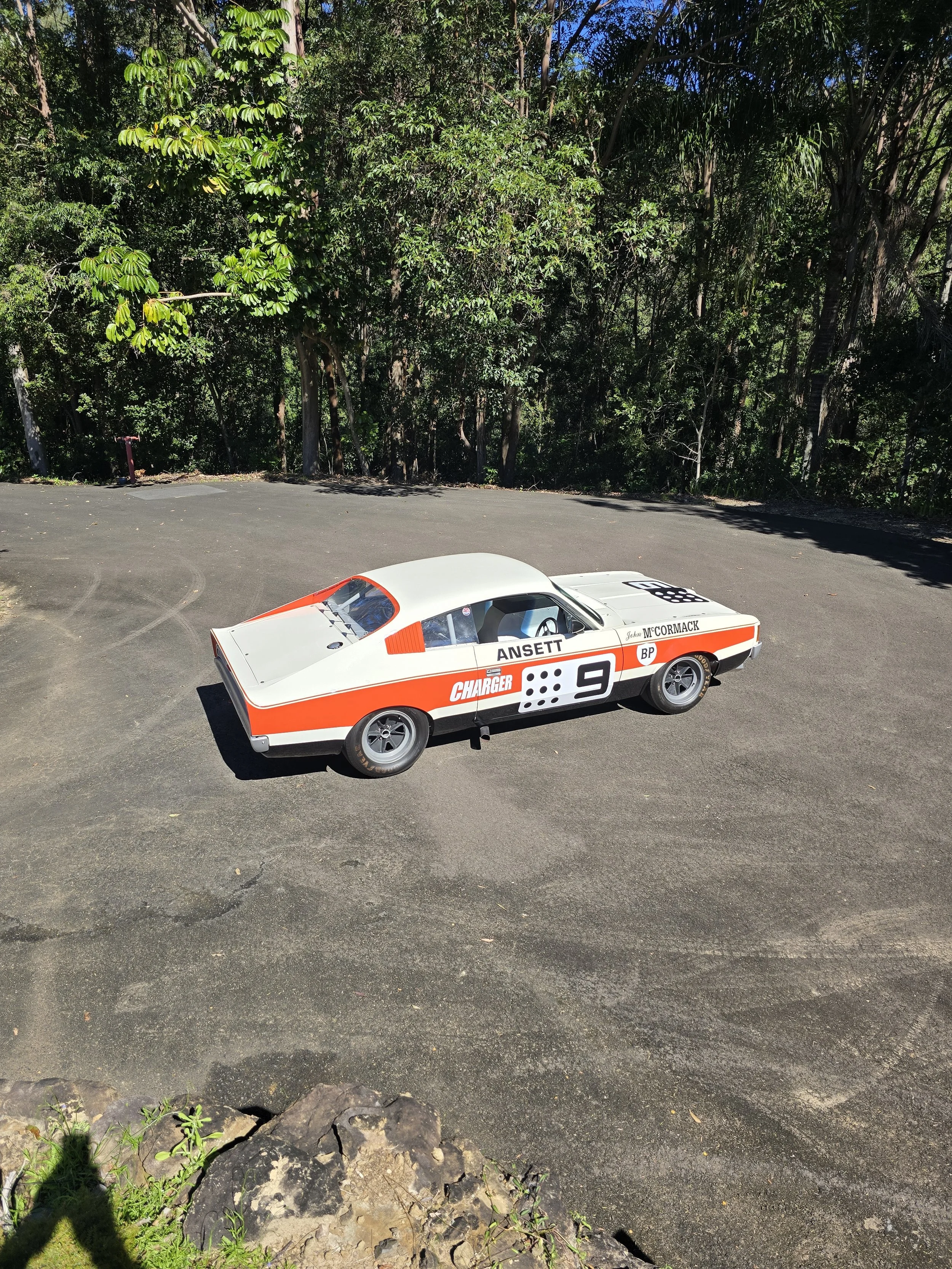
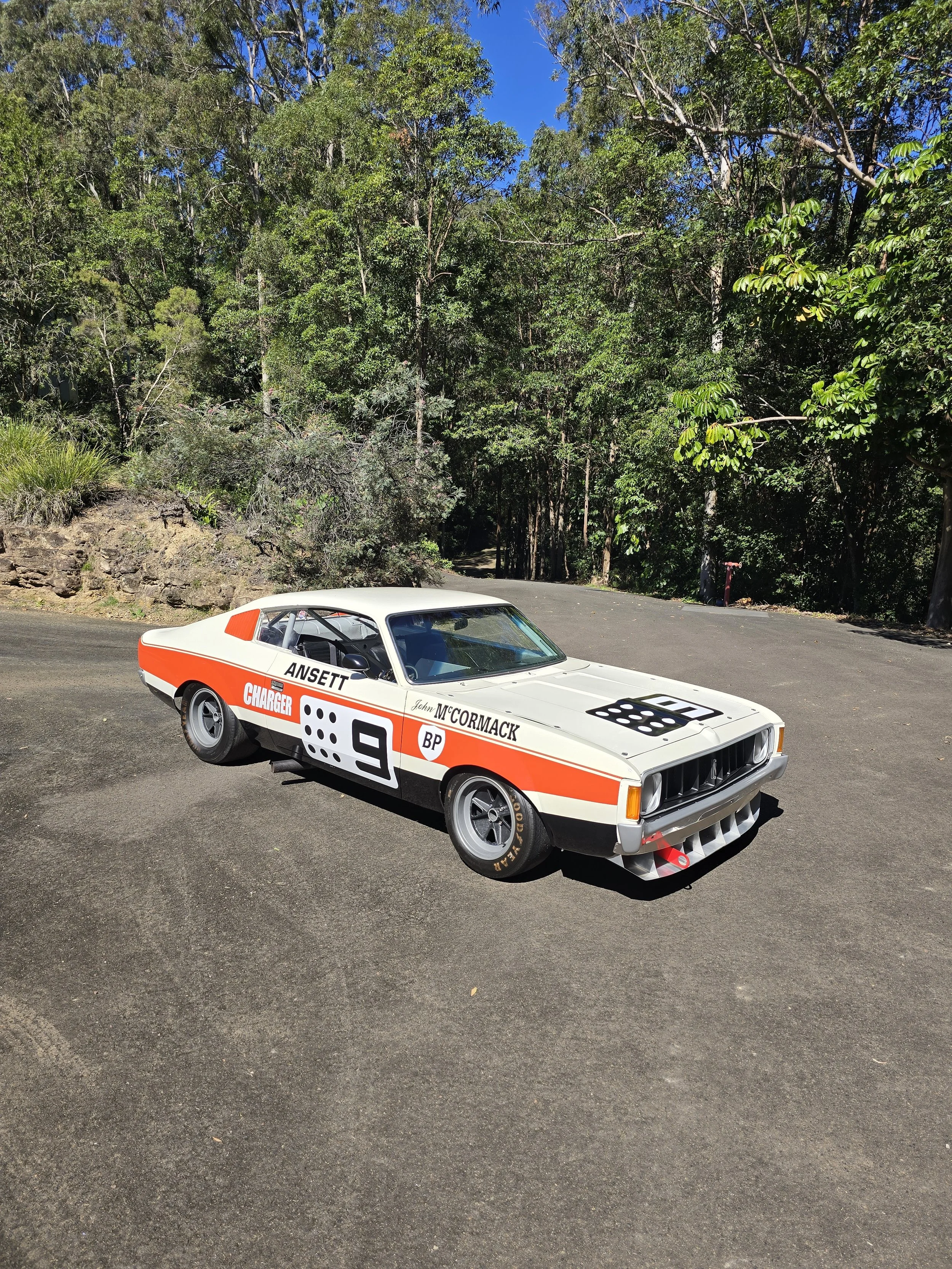
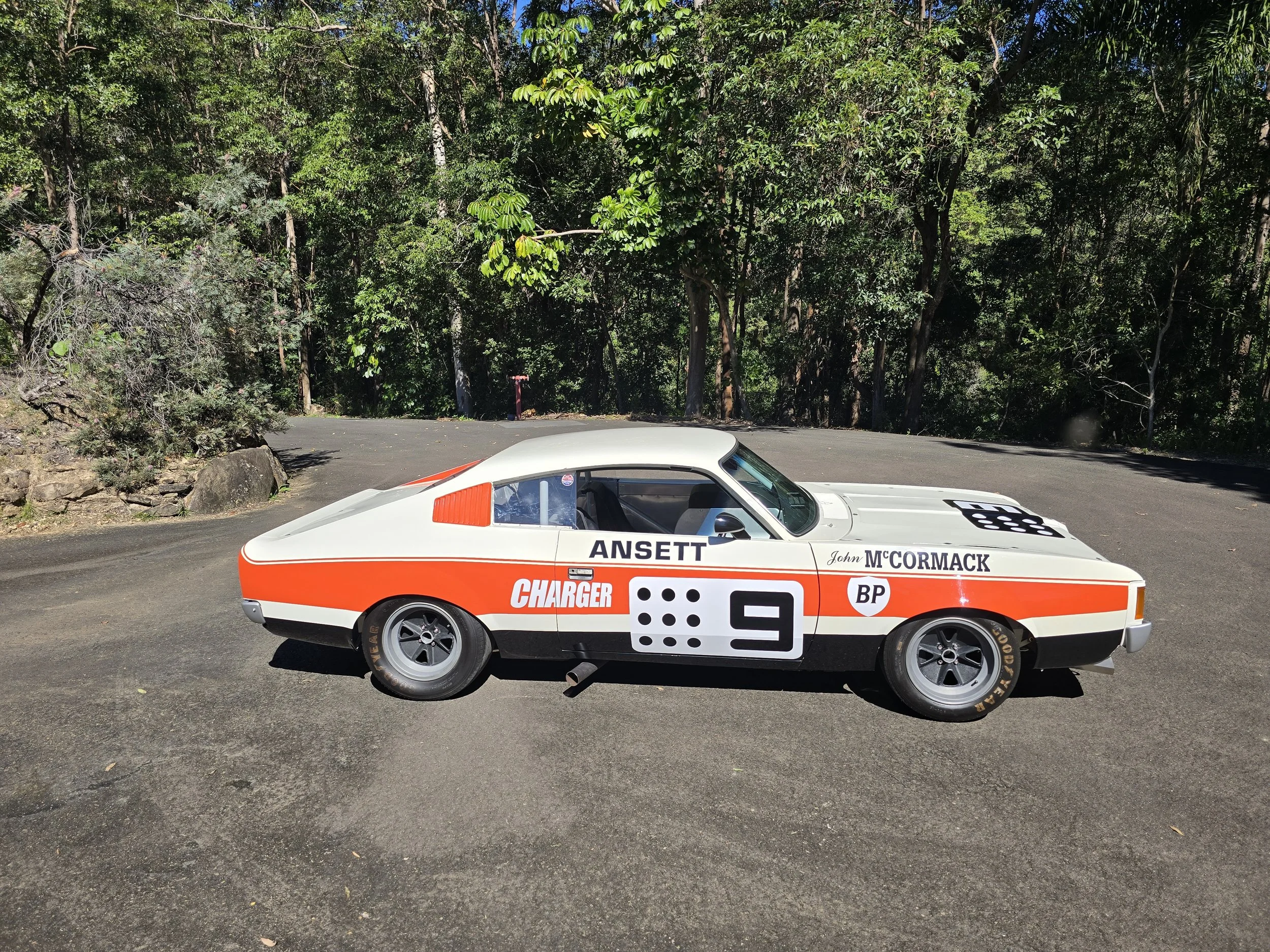
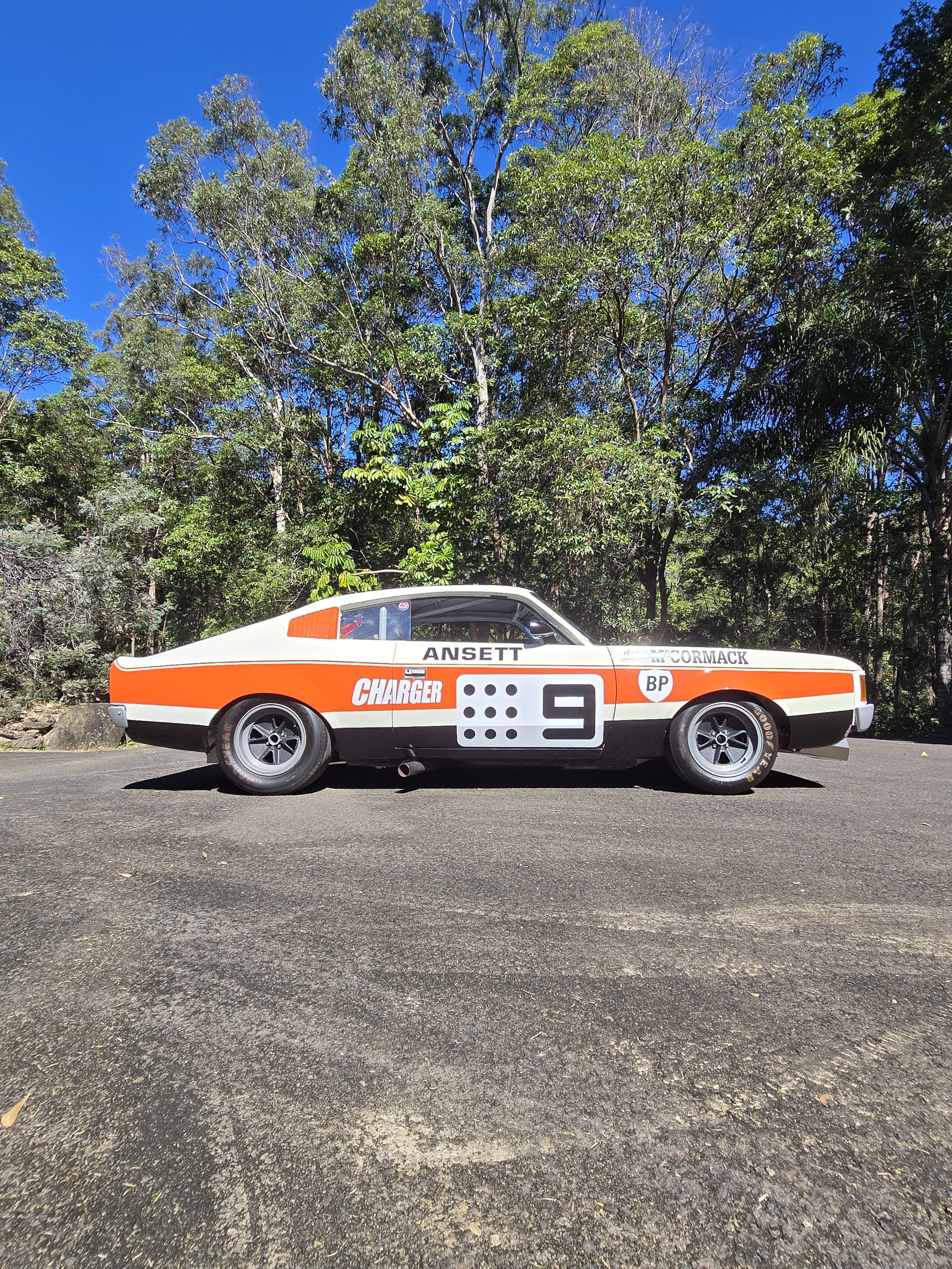
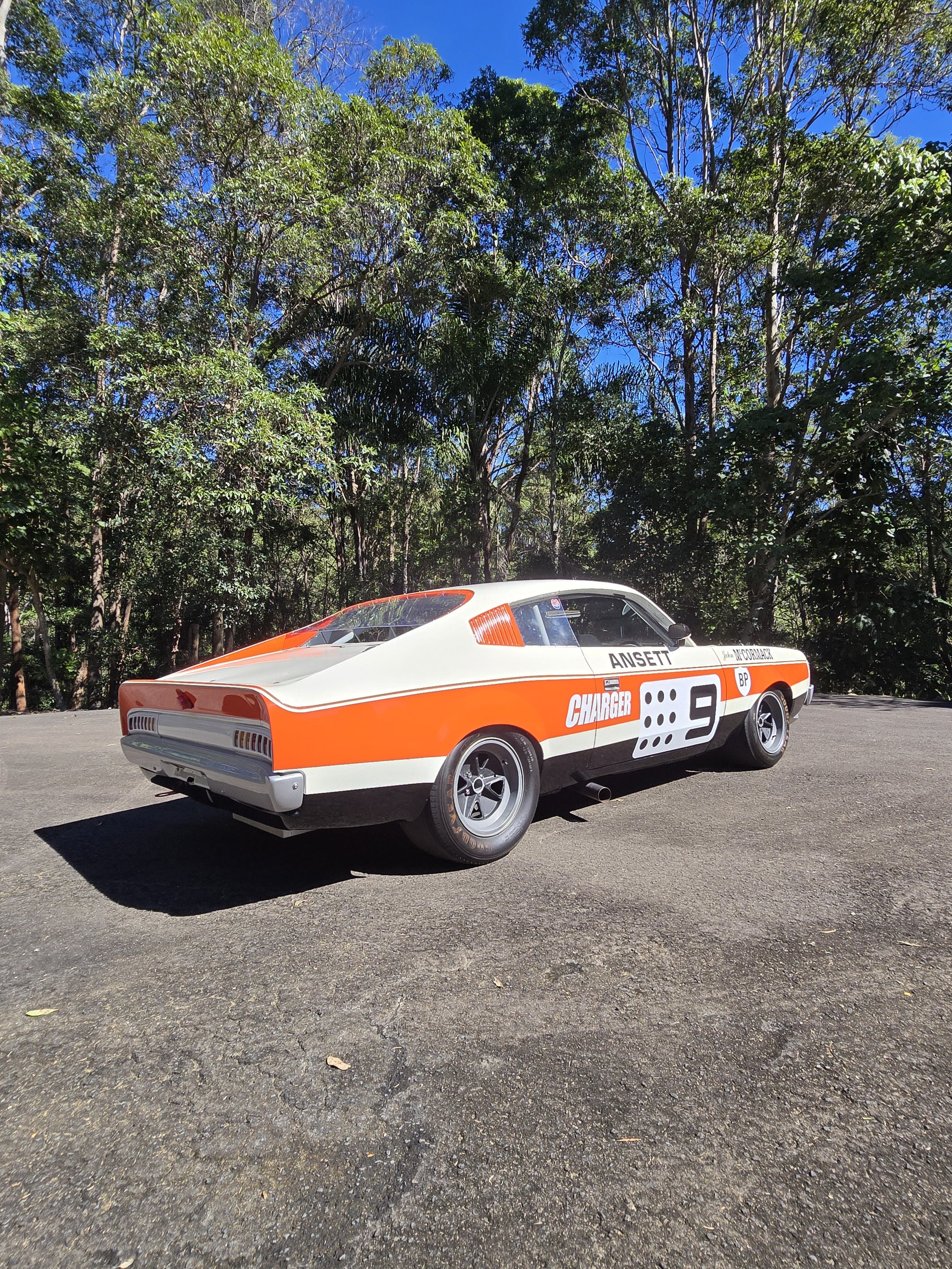
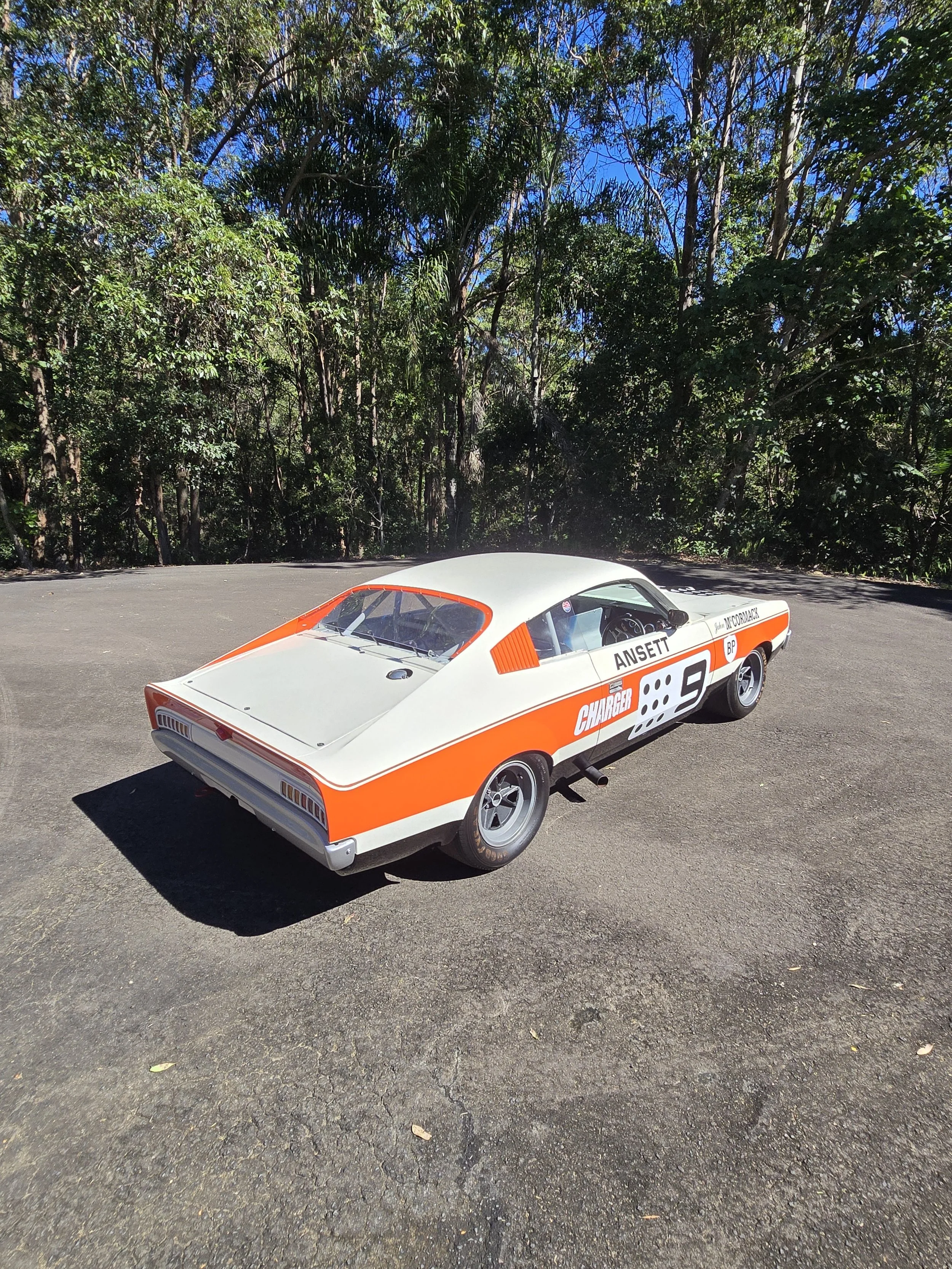
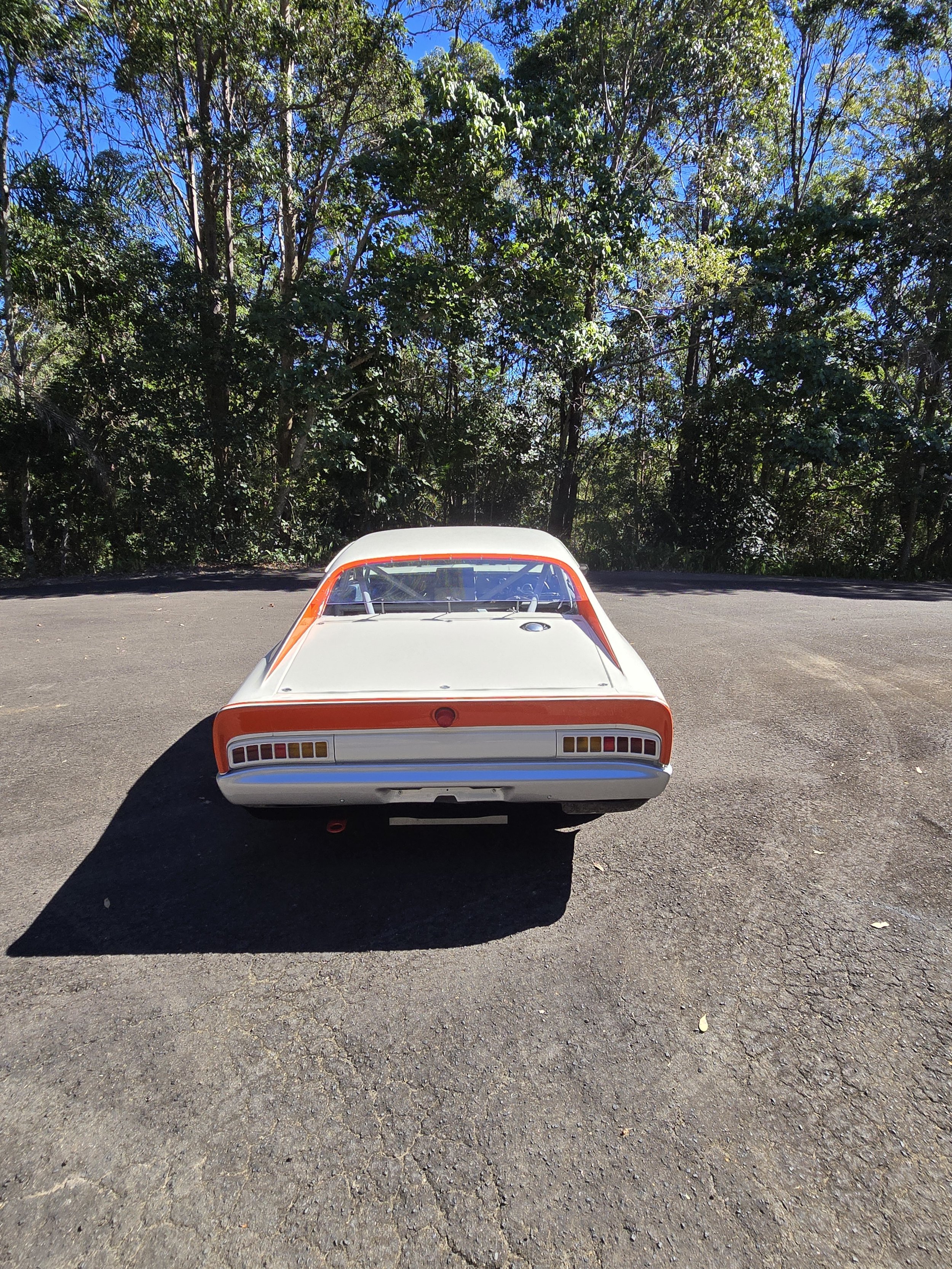
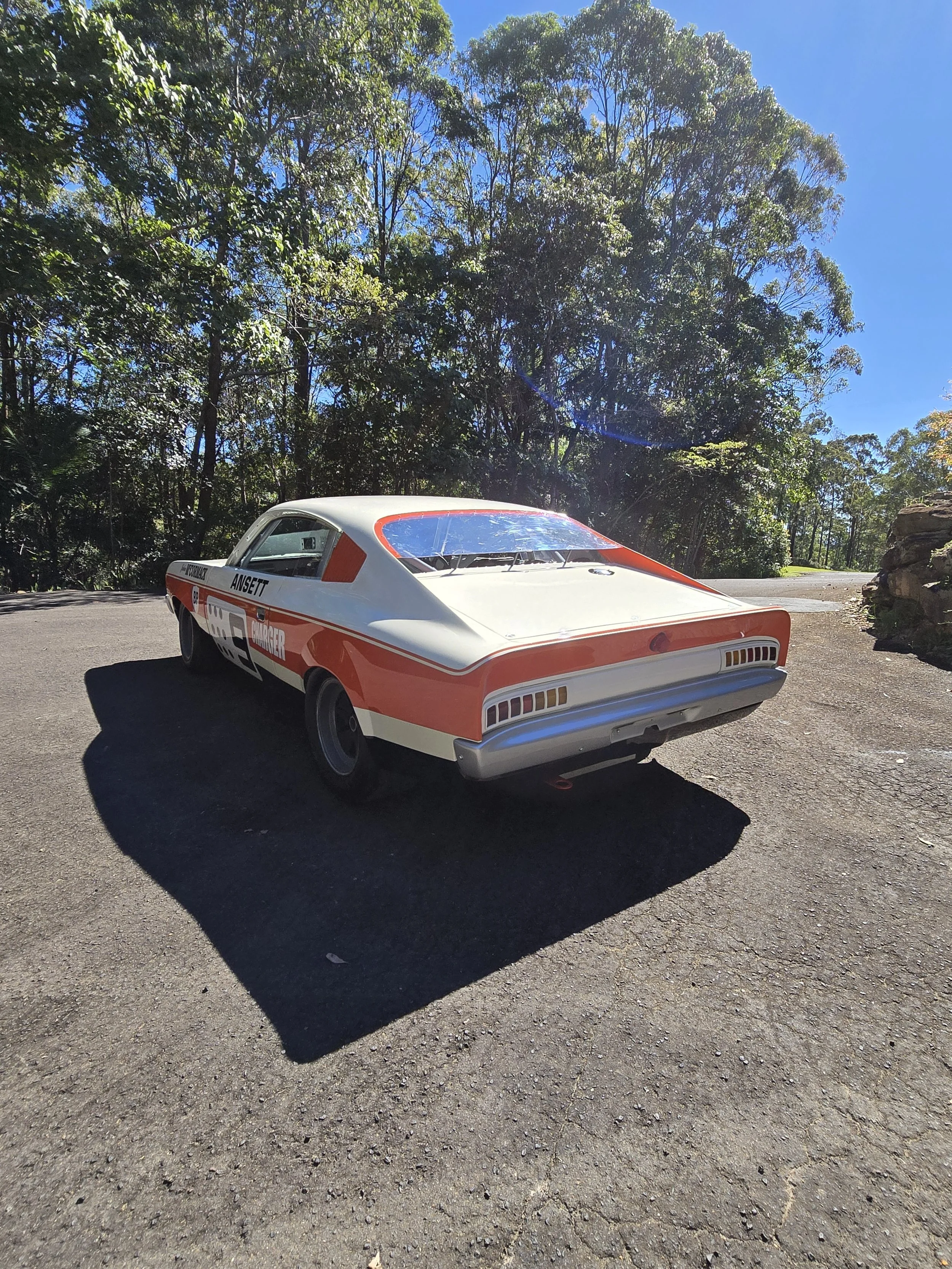
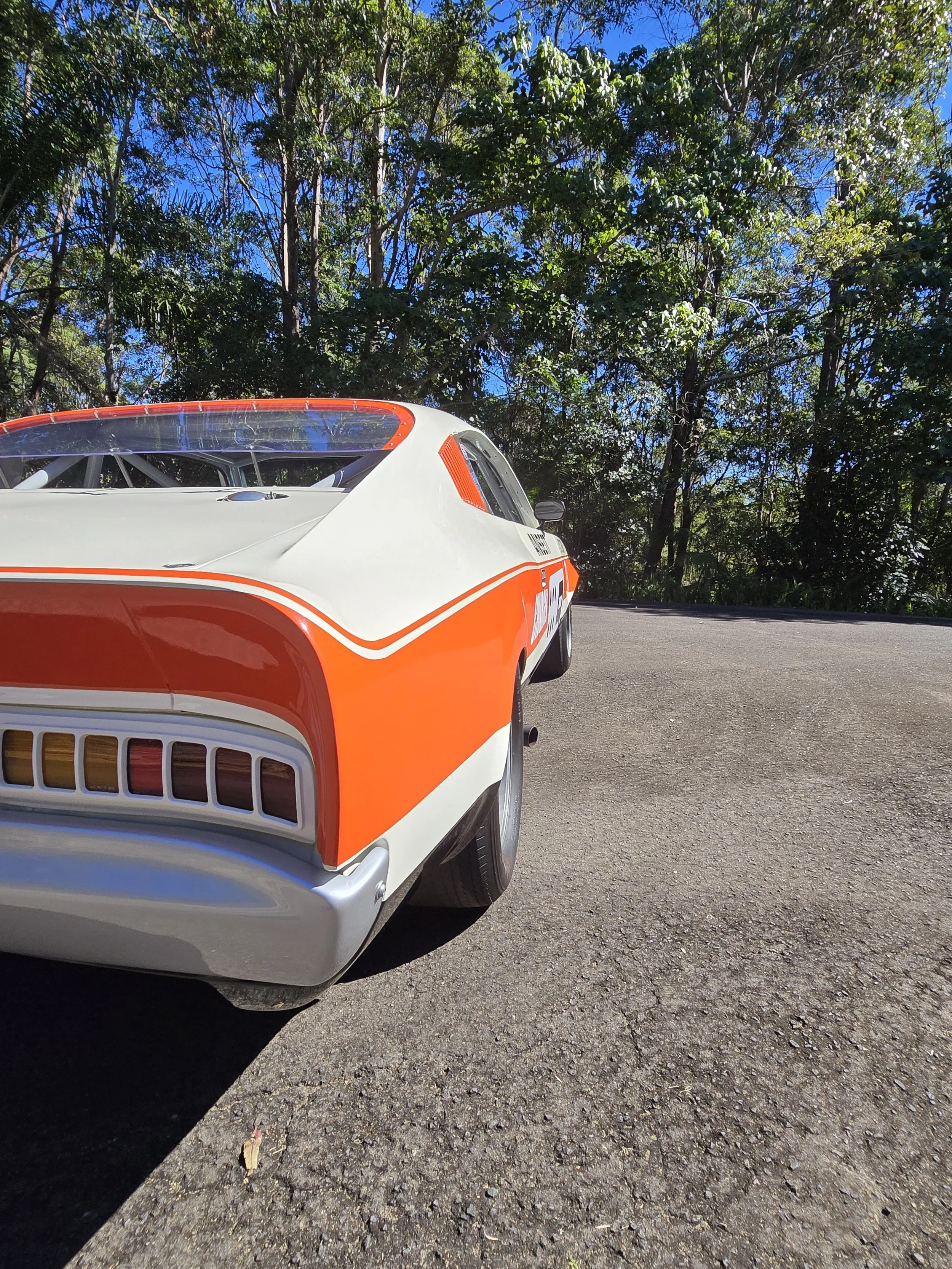
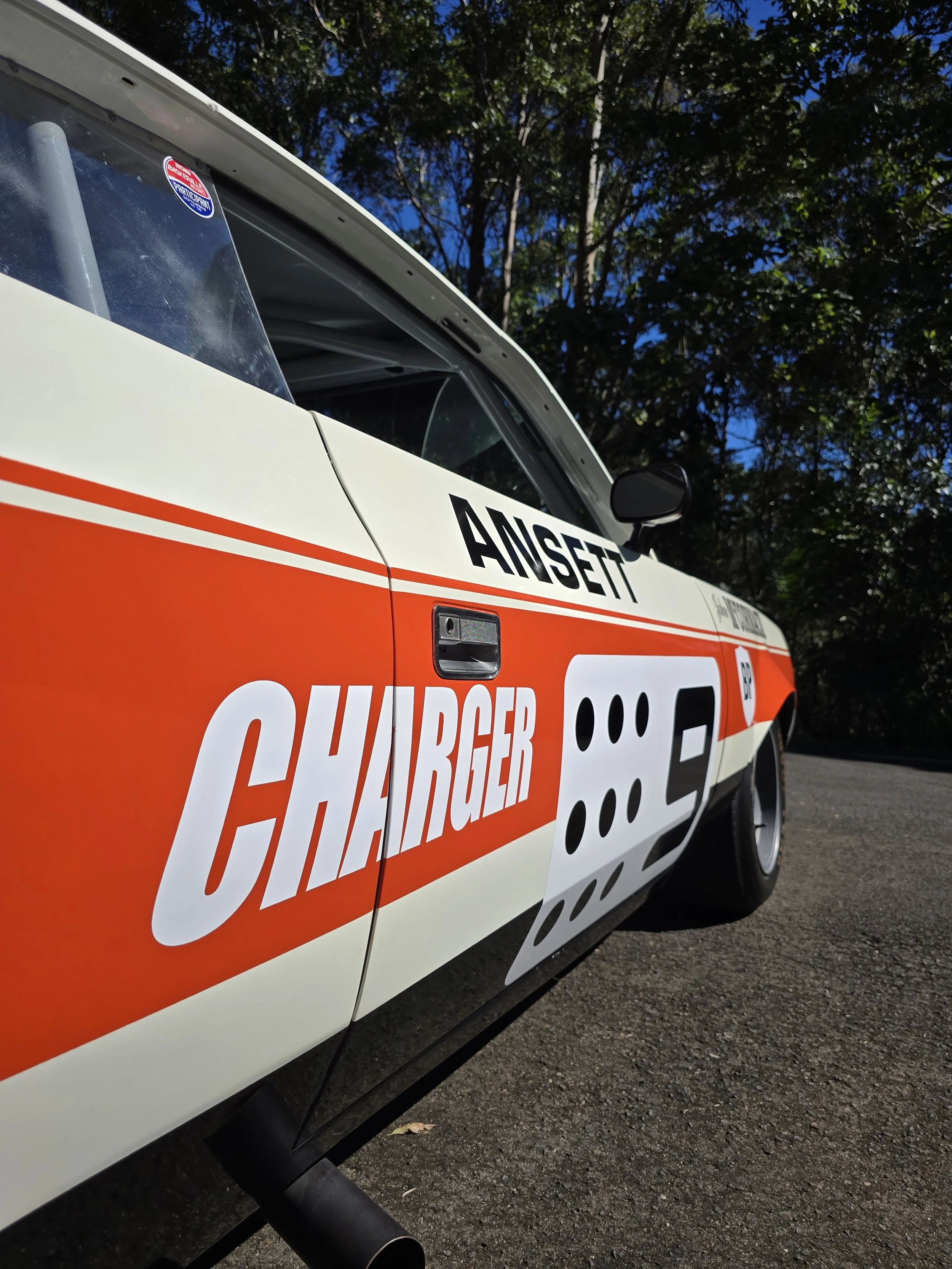
1973 Ex McCormack Valiant Charger
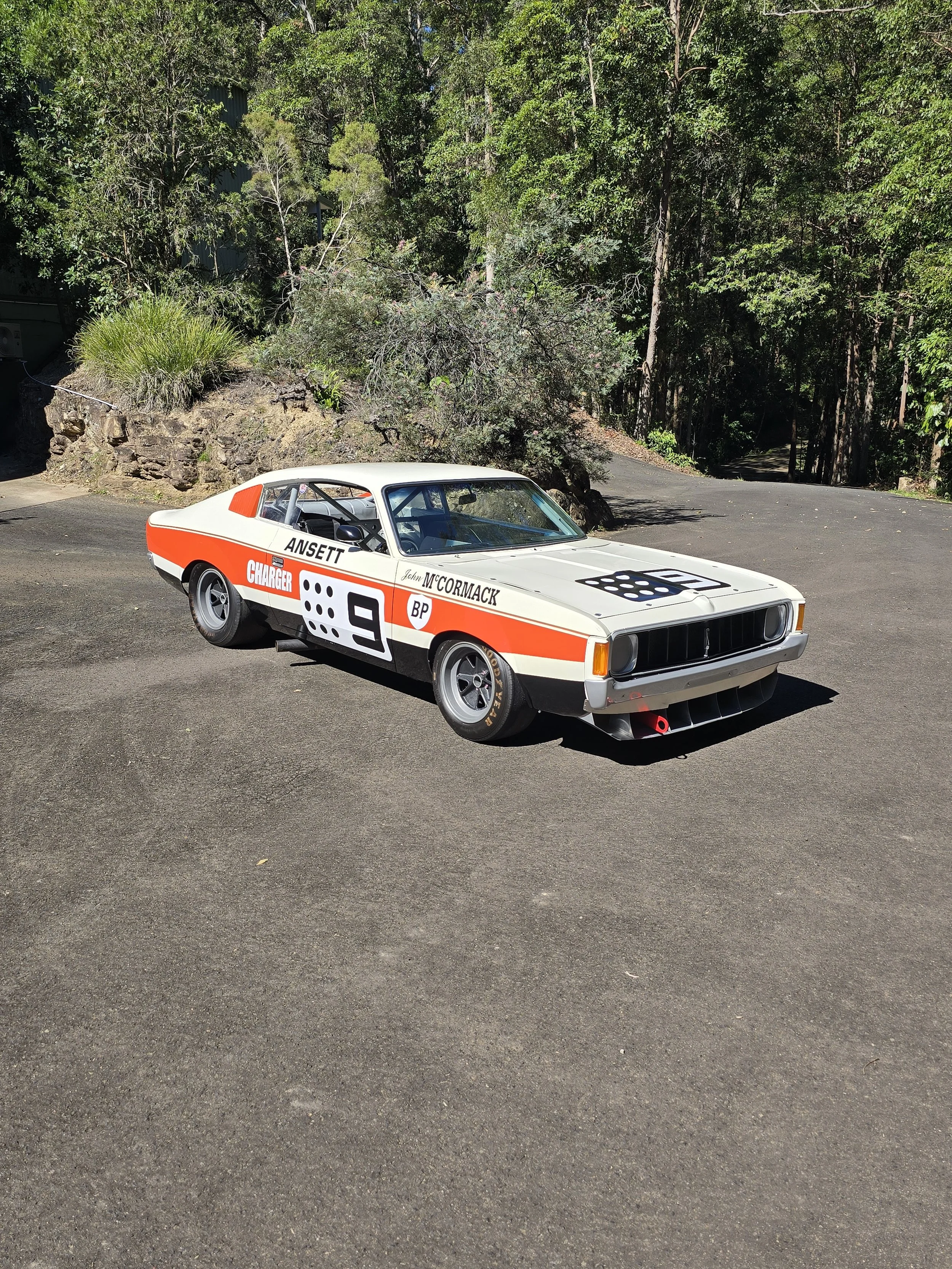
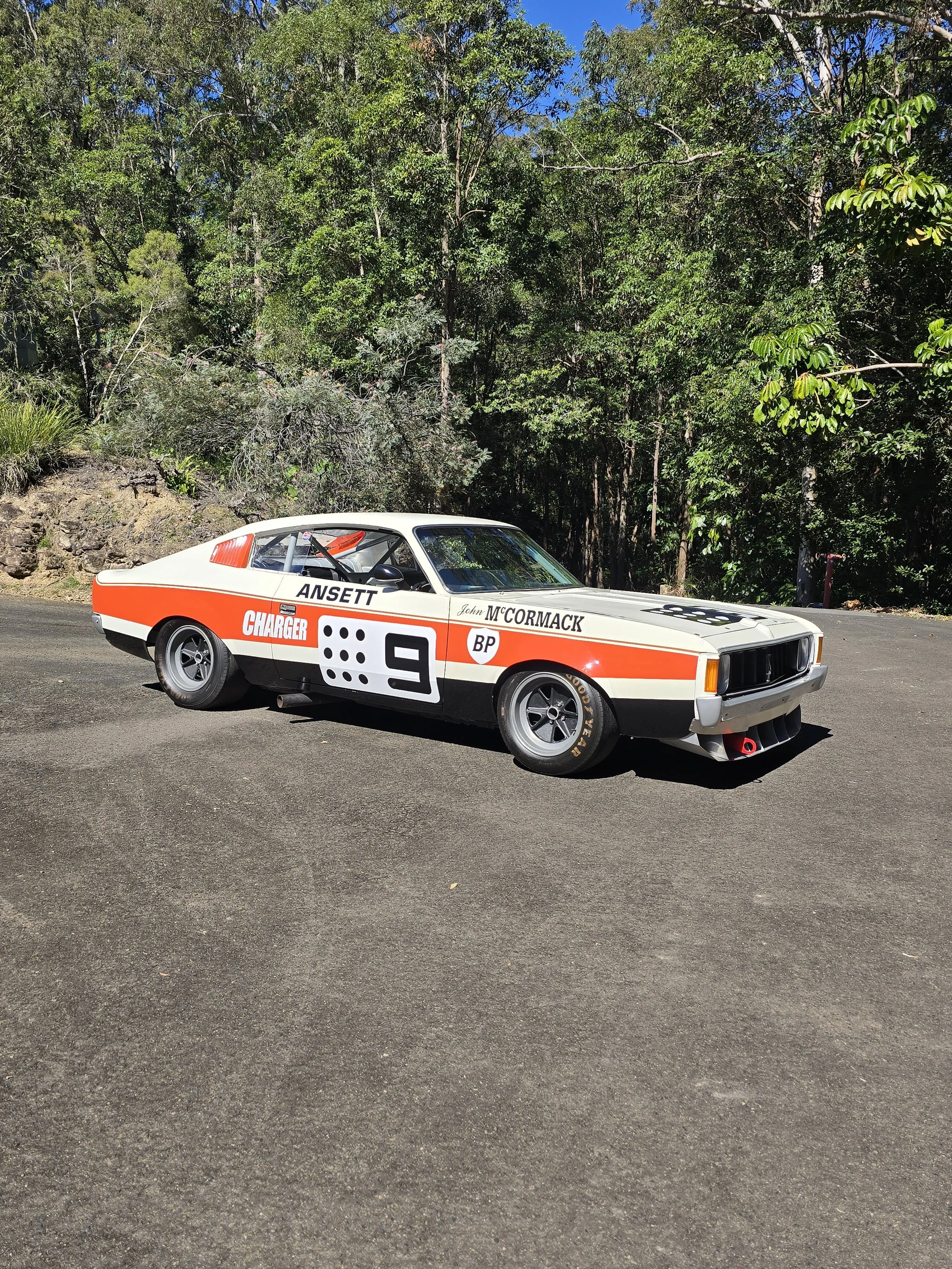
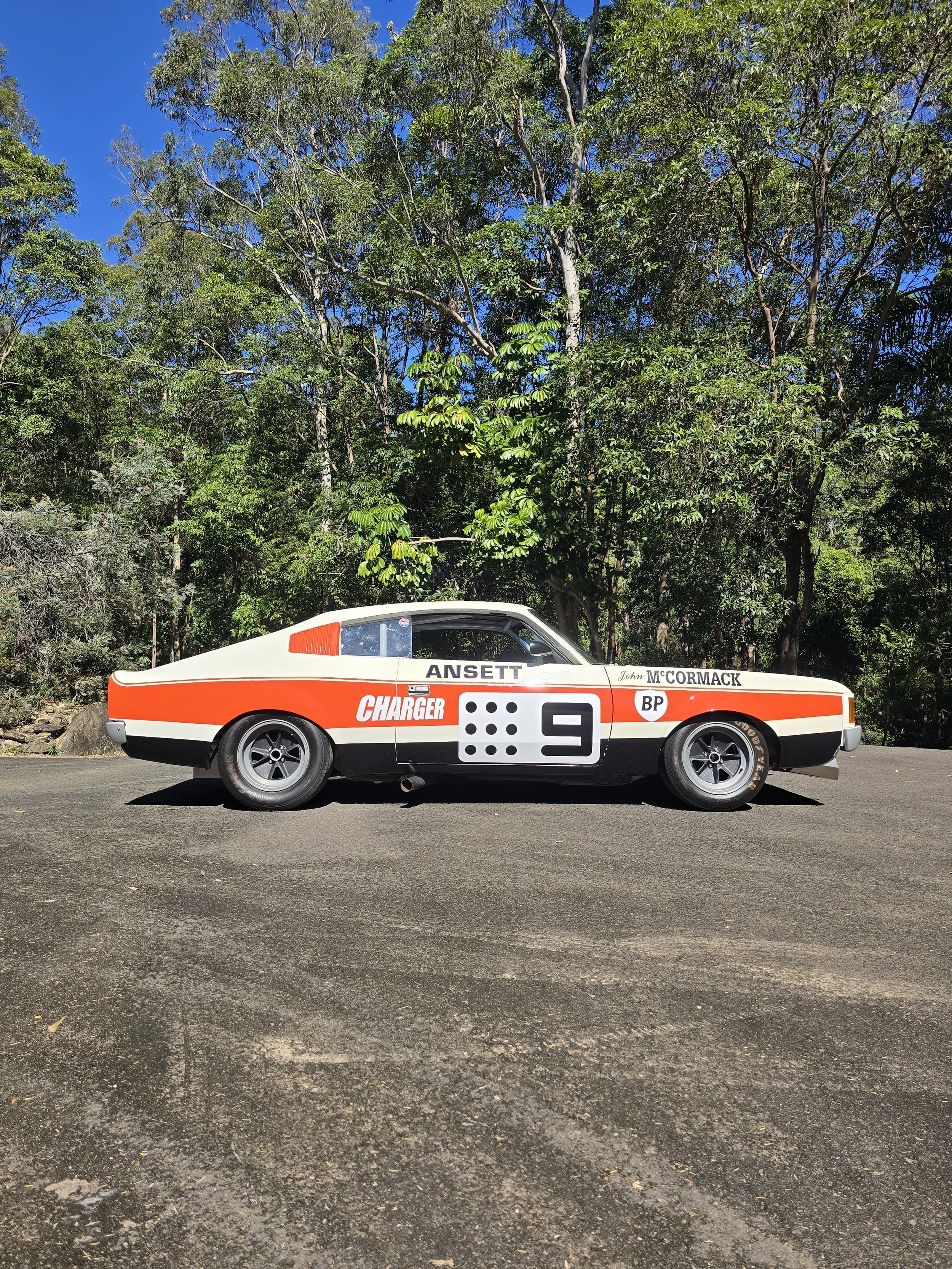
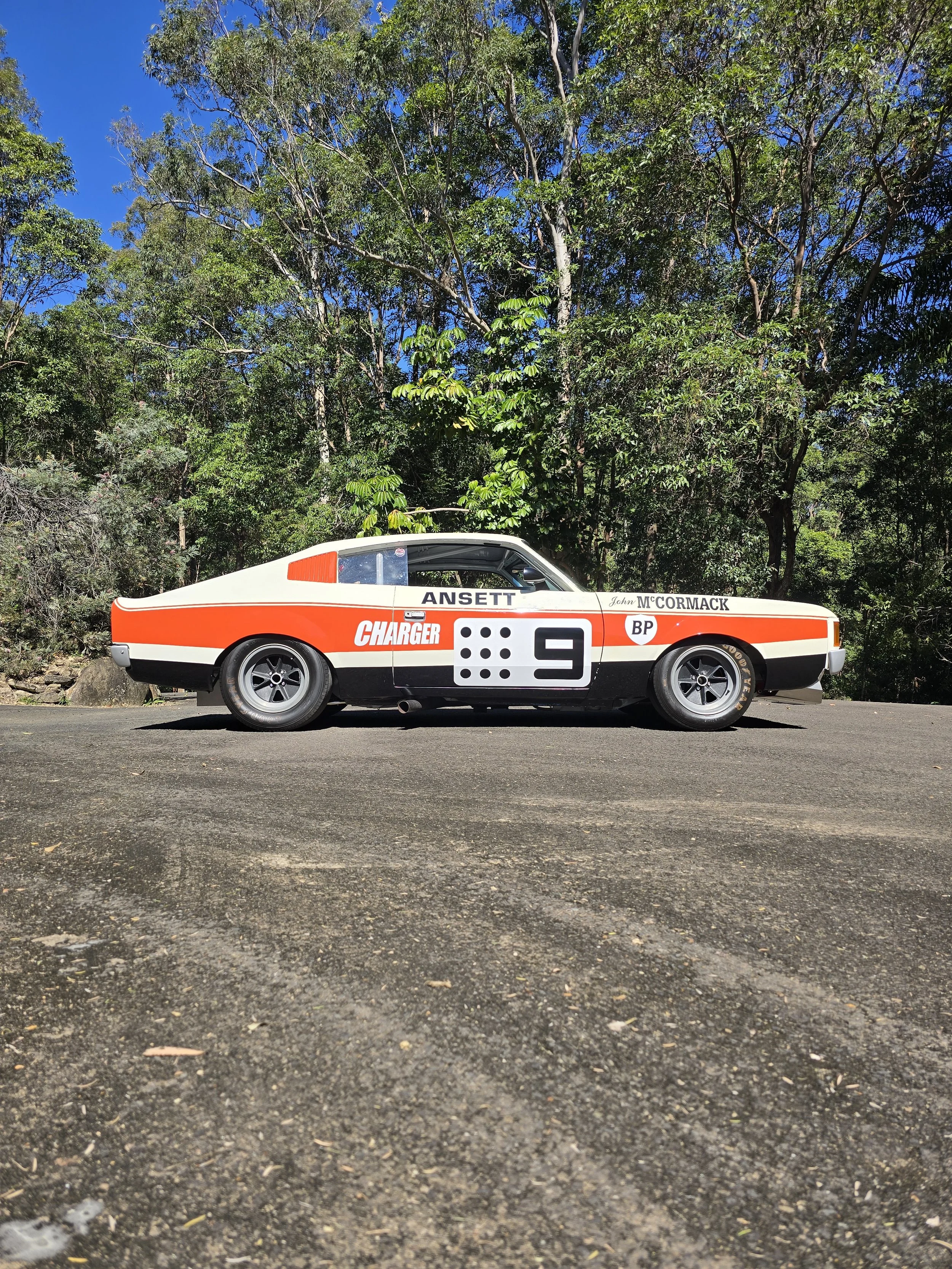
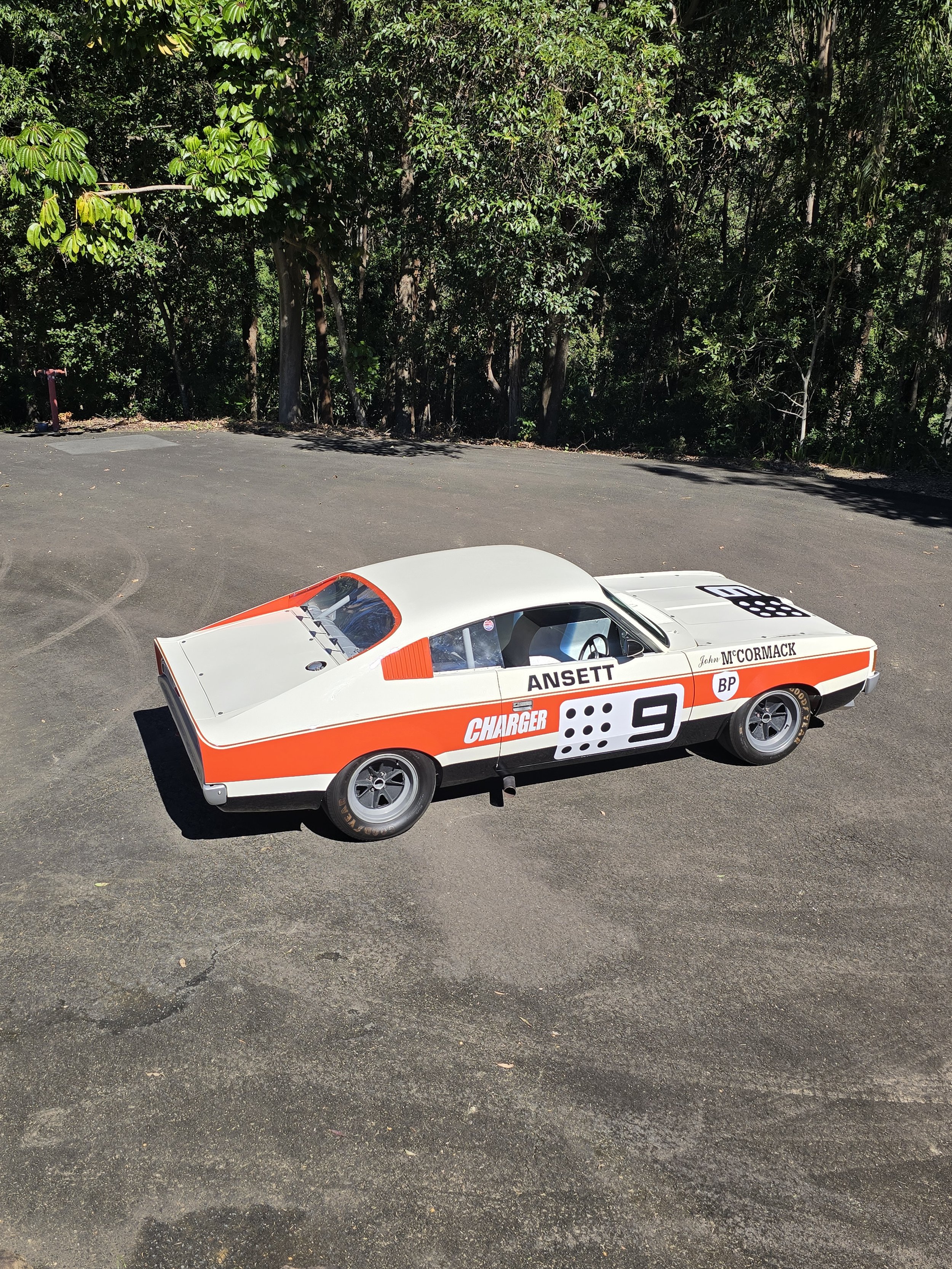
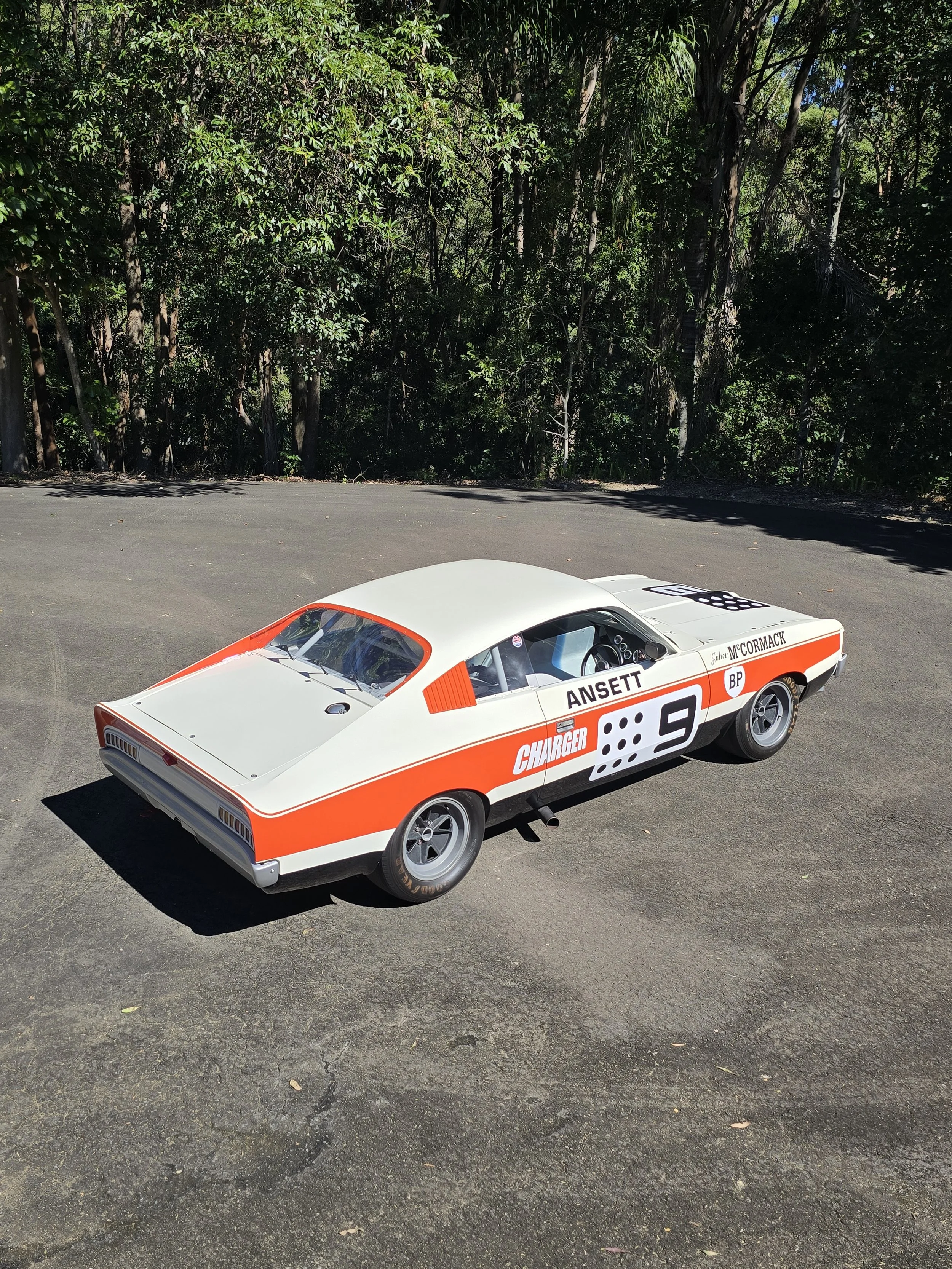
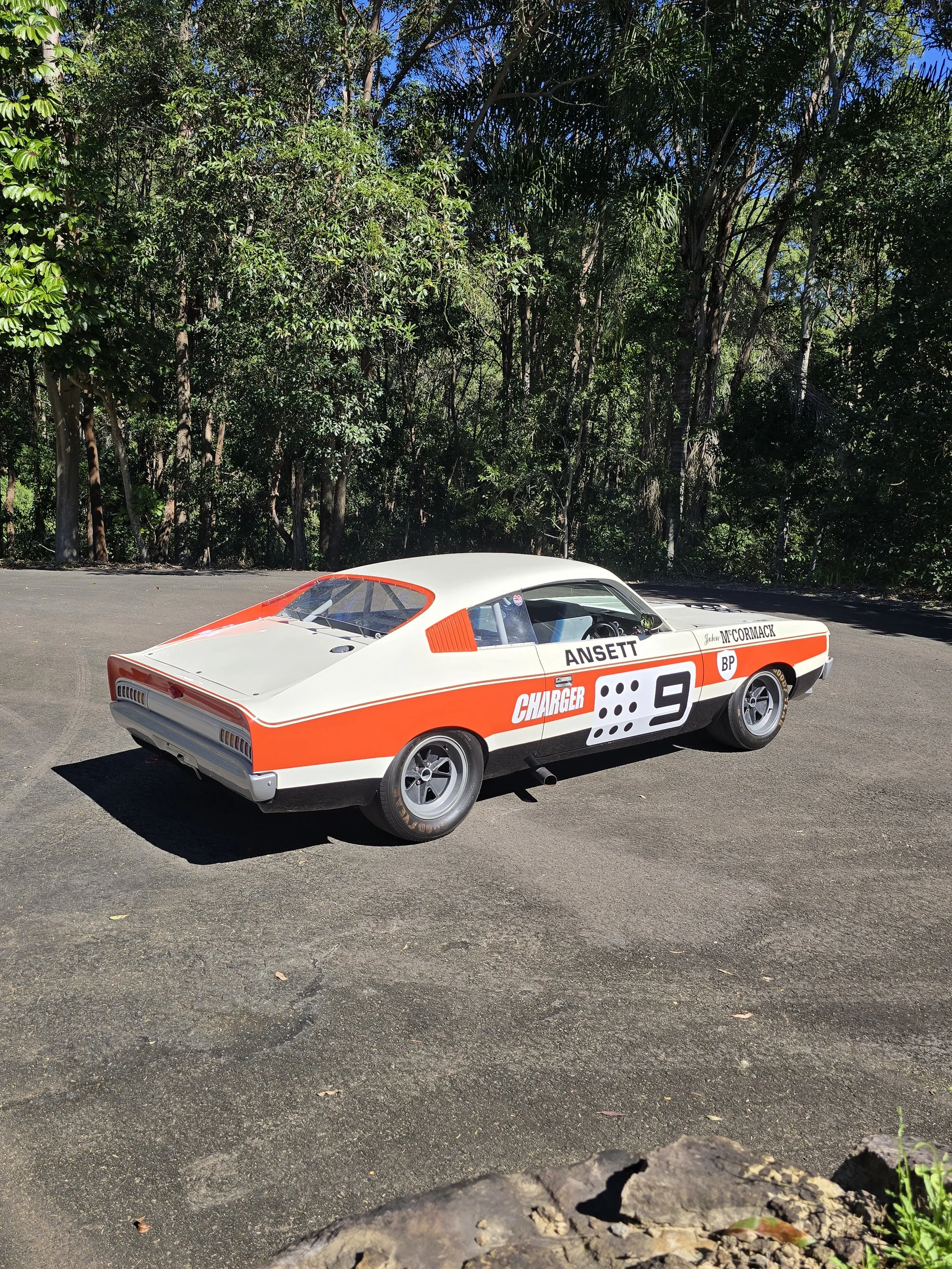
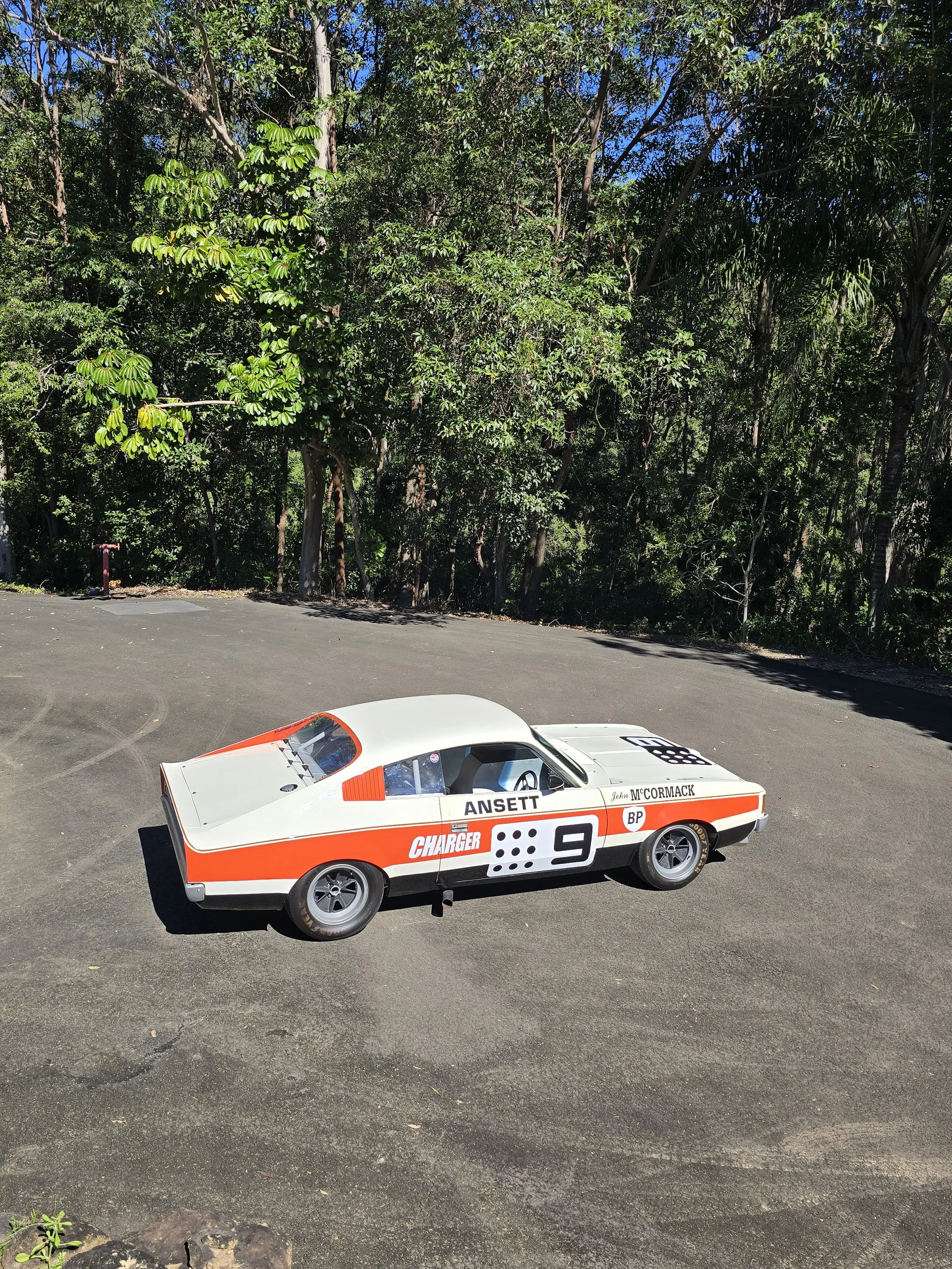
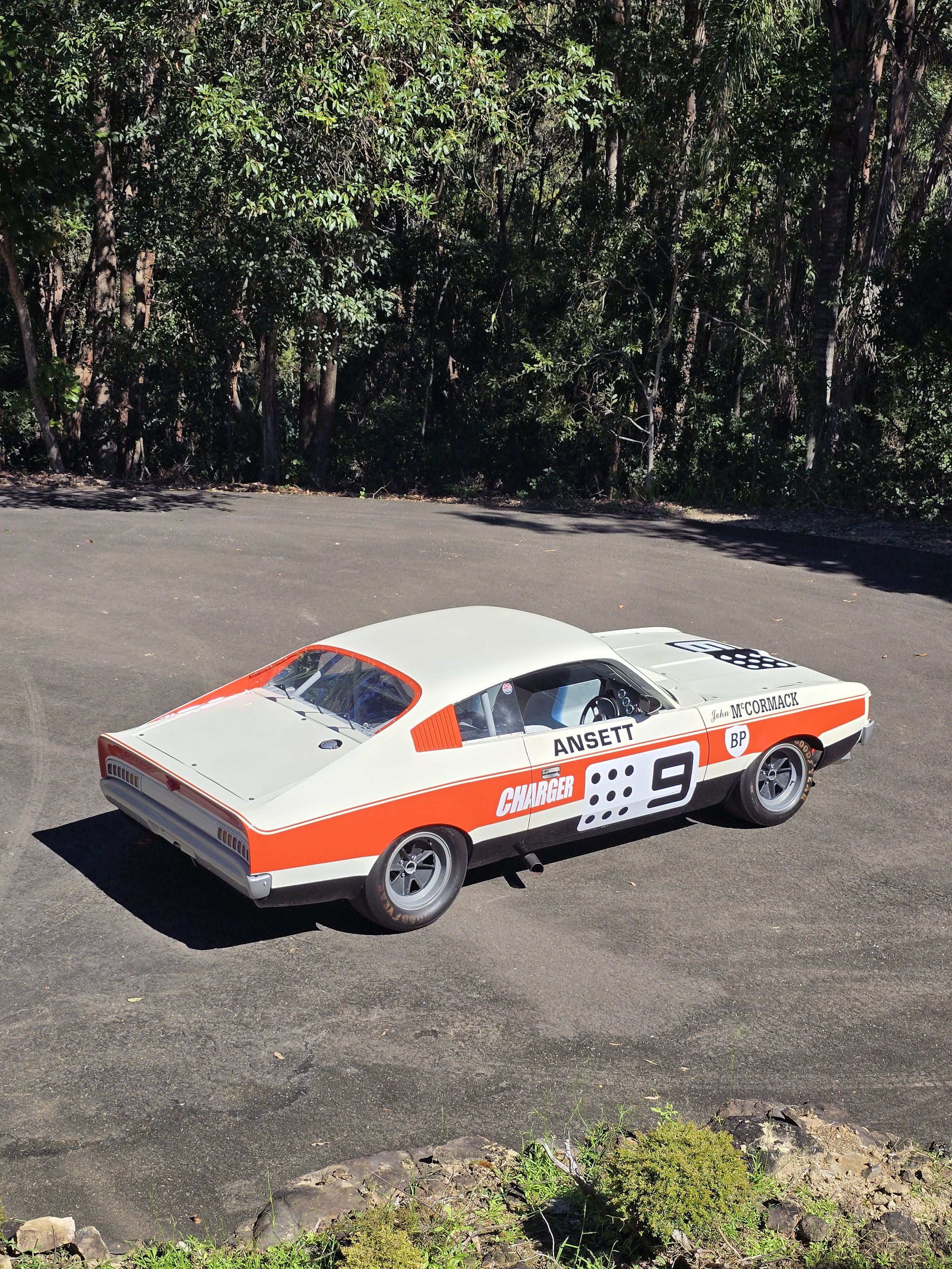
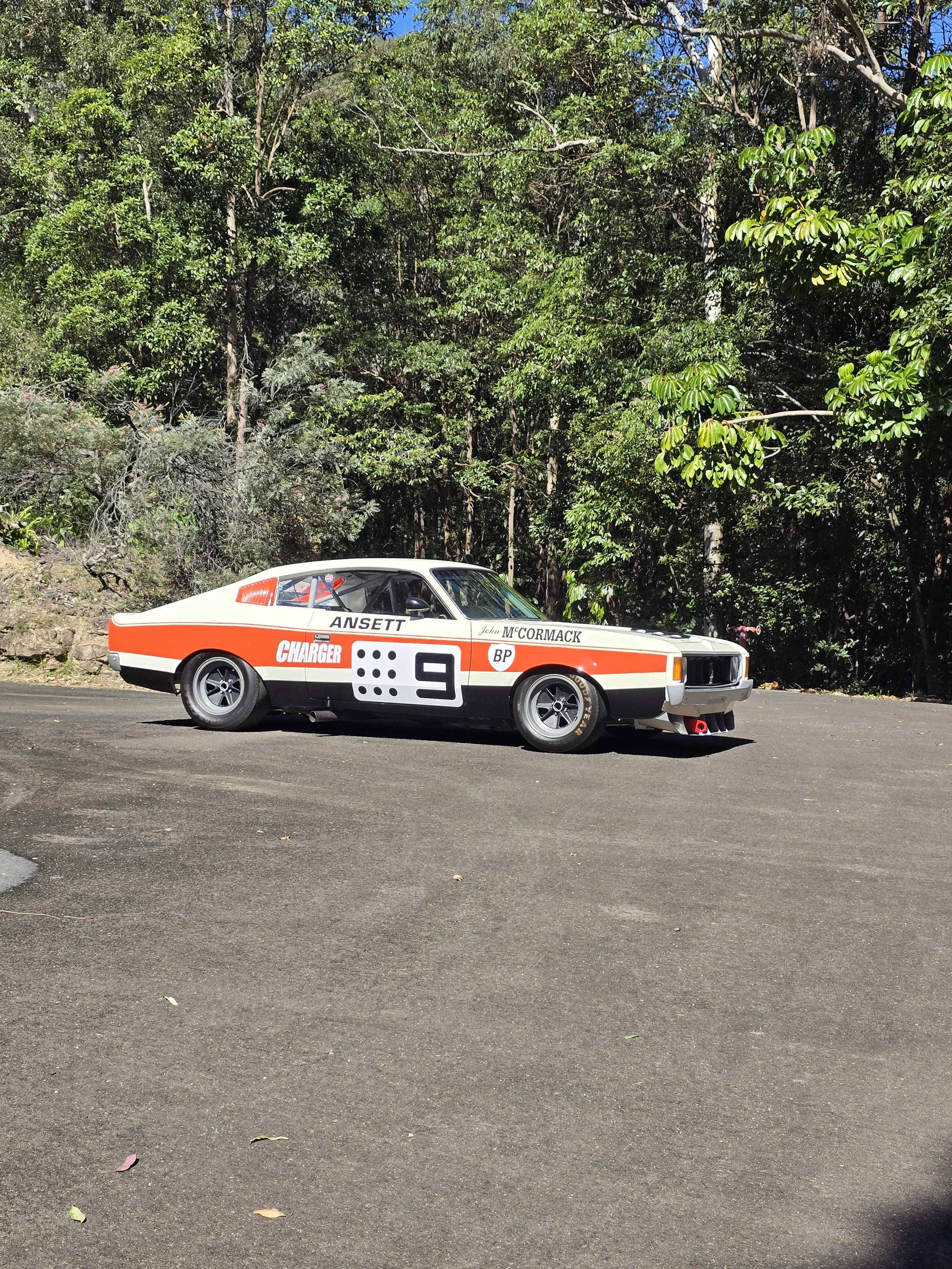
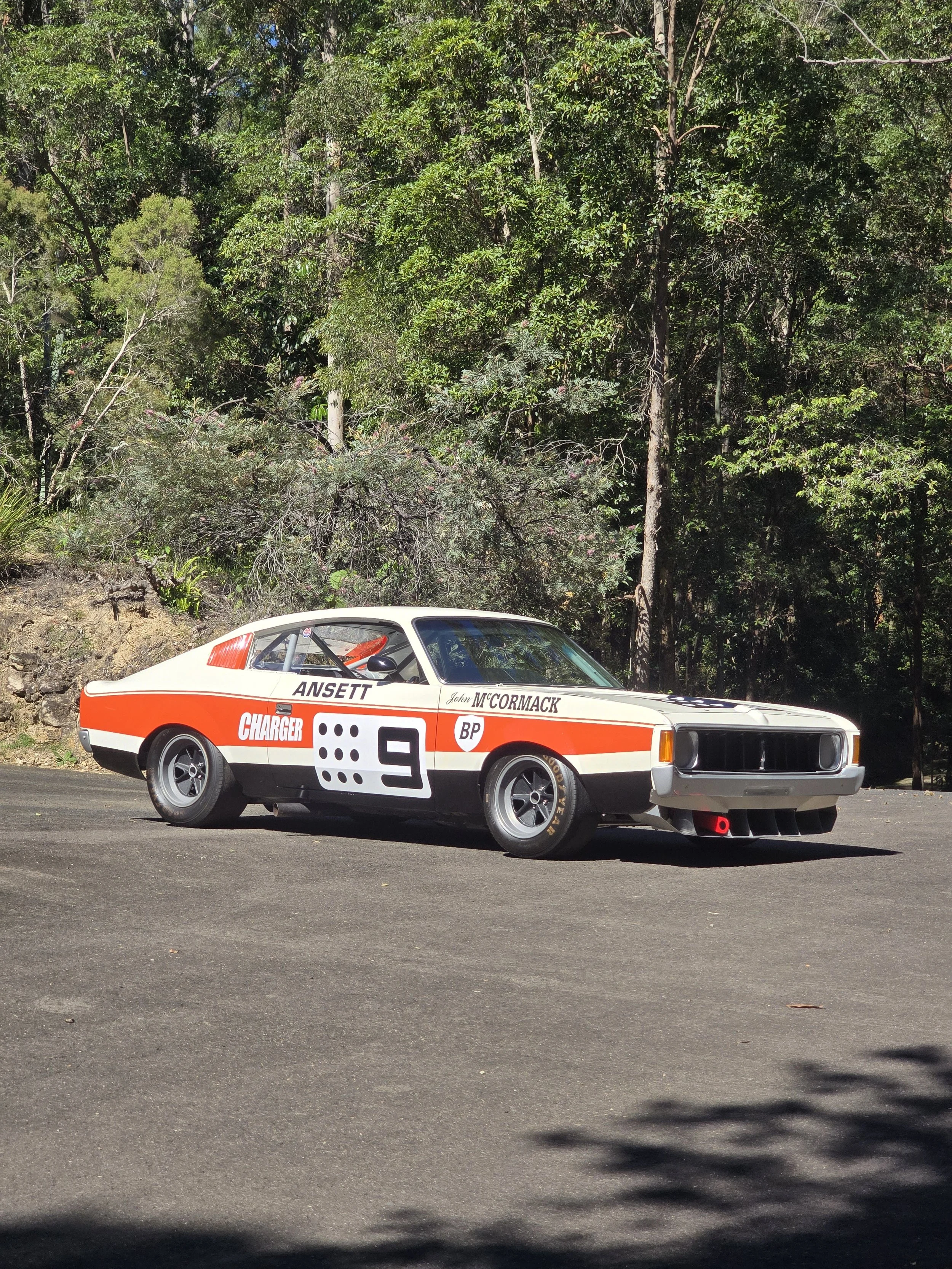
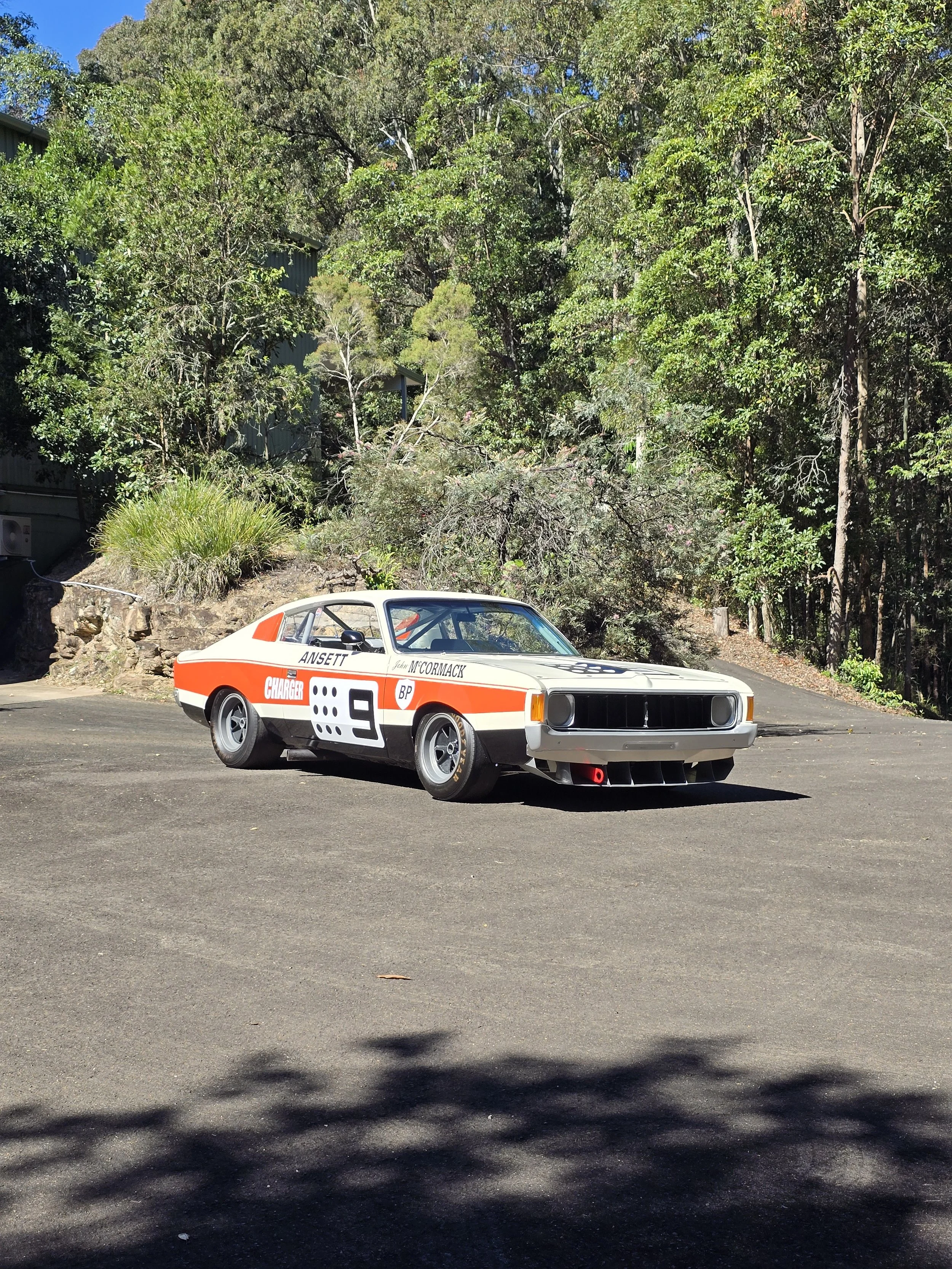
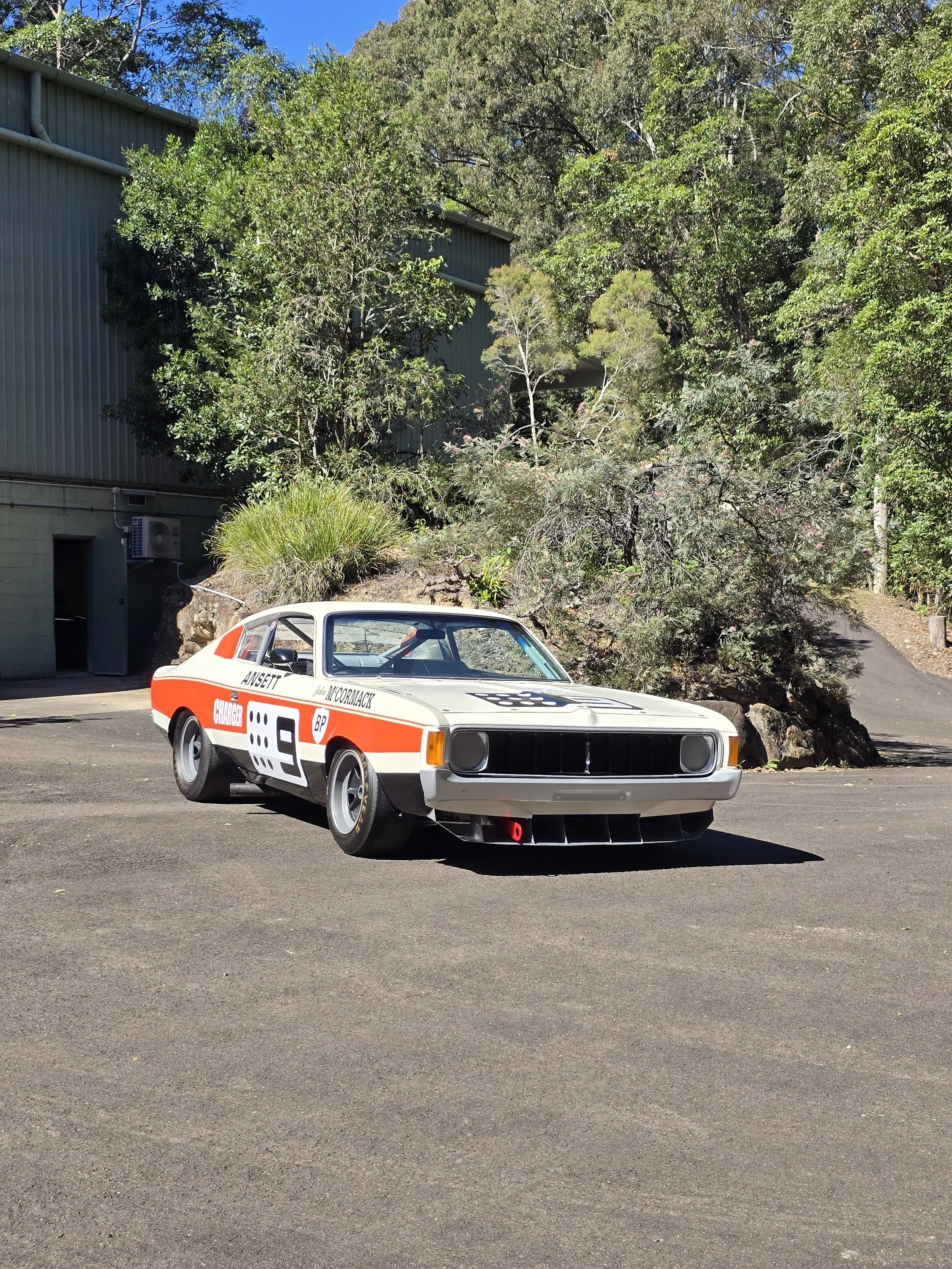
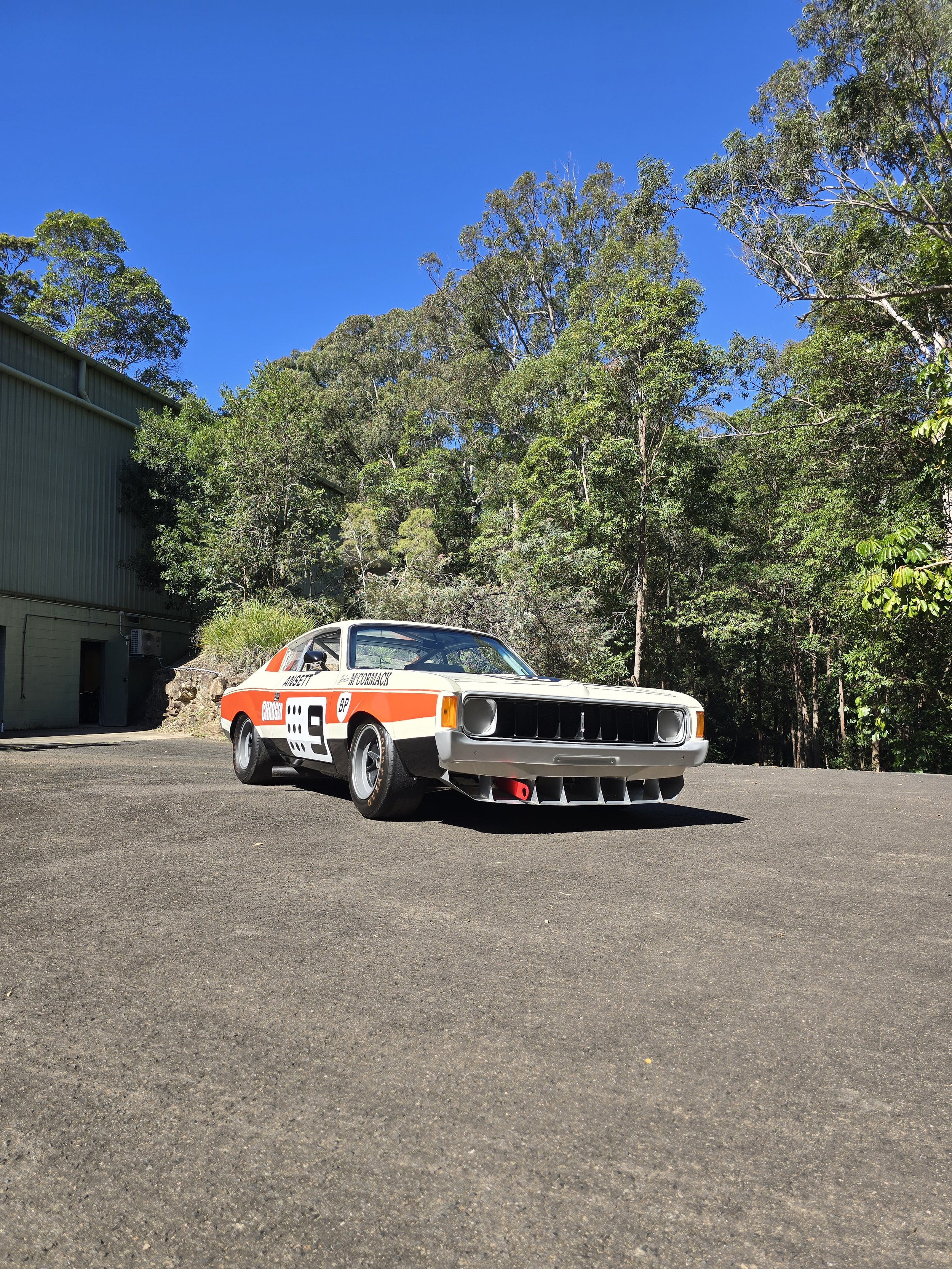
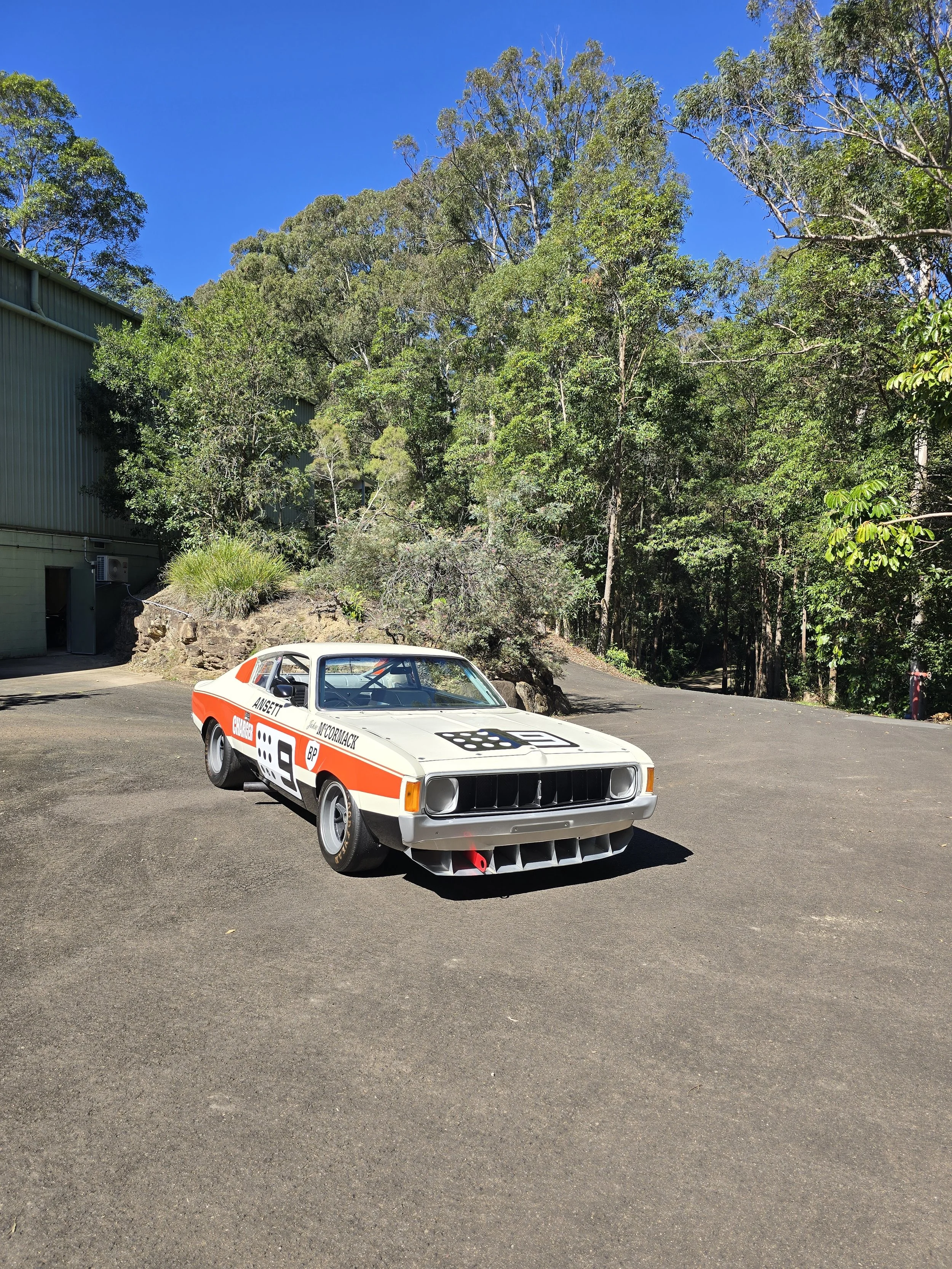
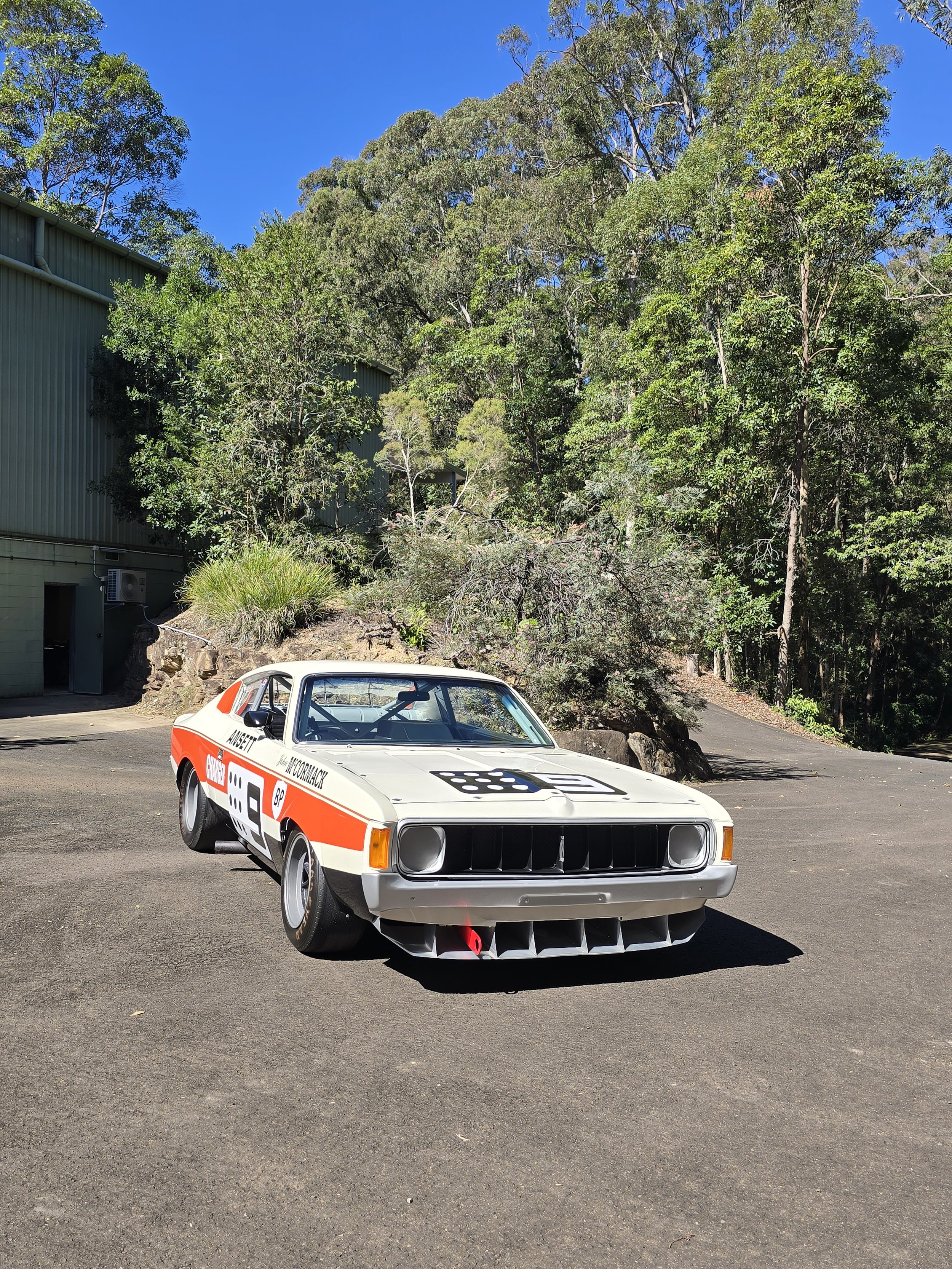
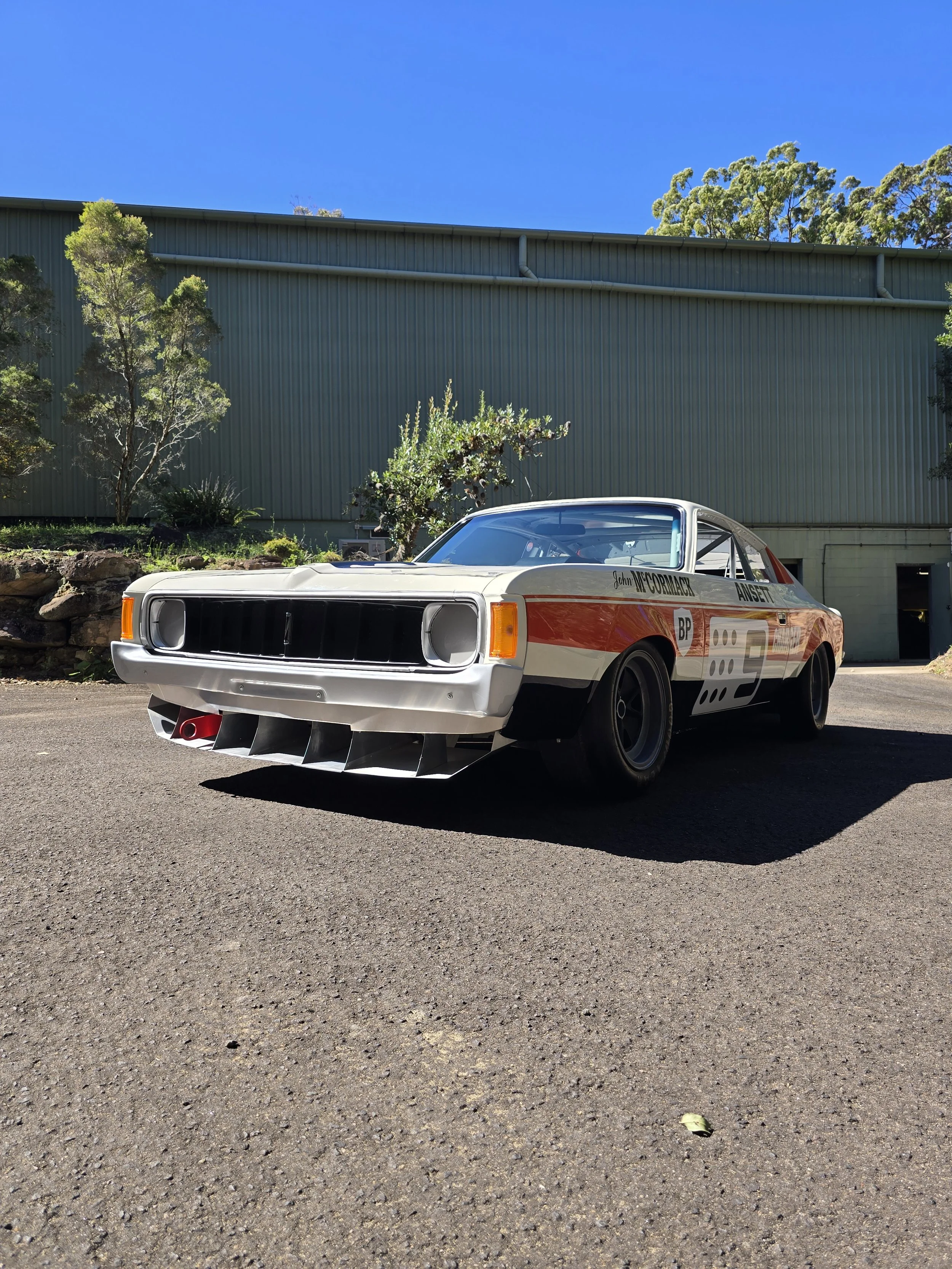
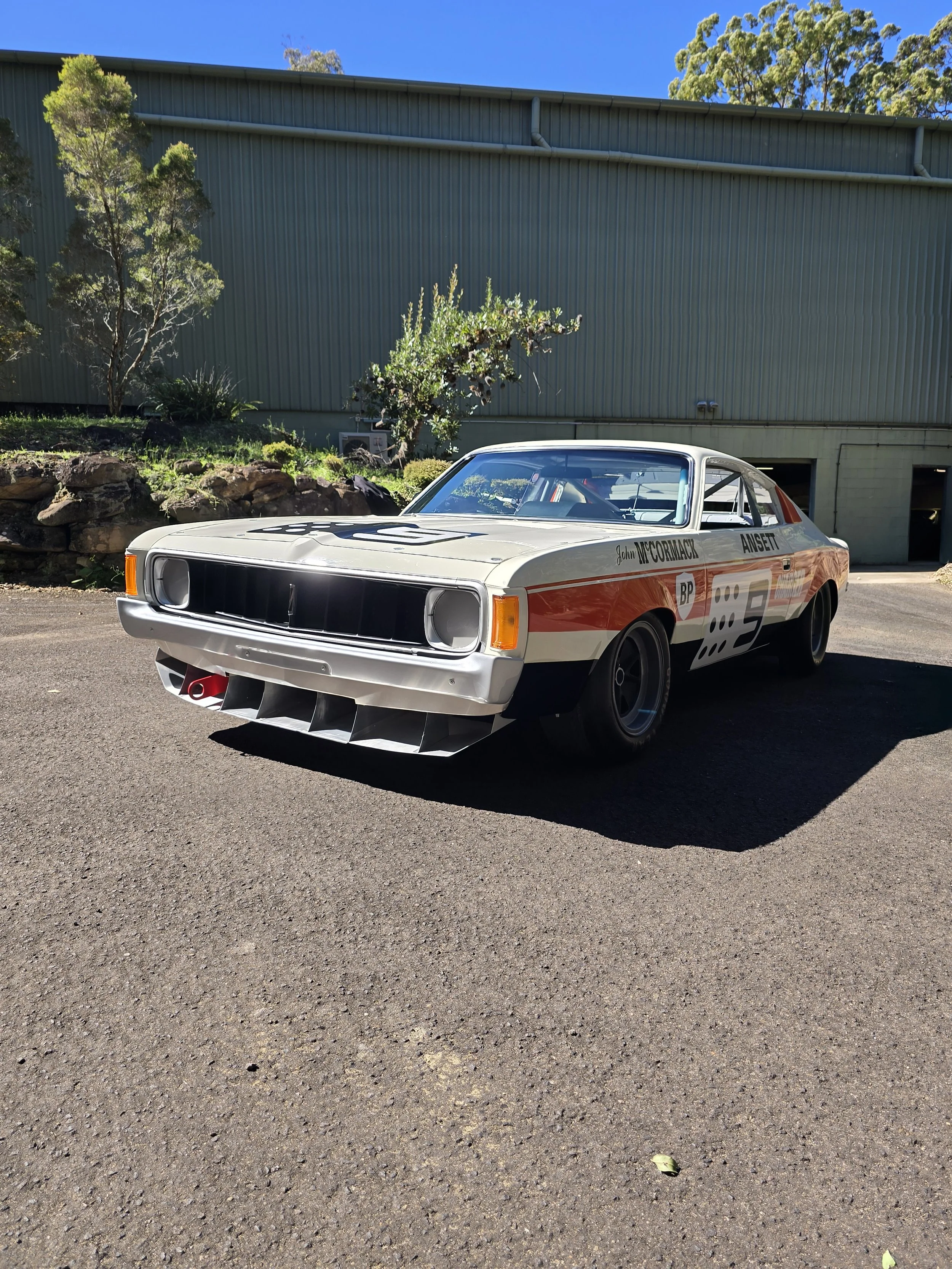
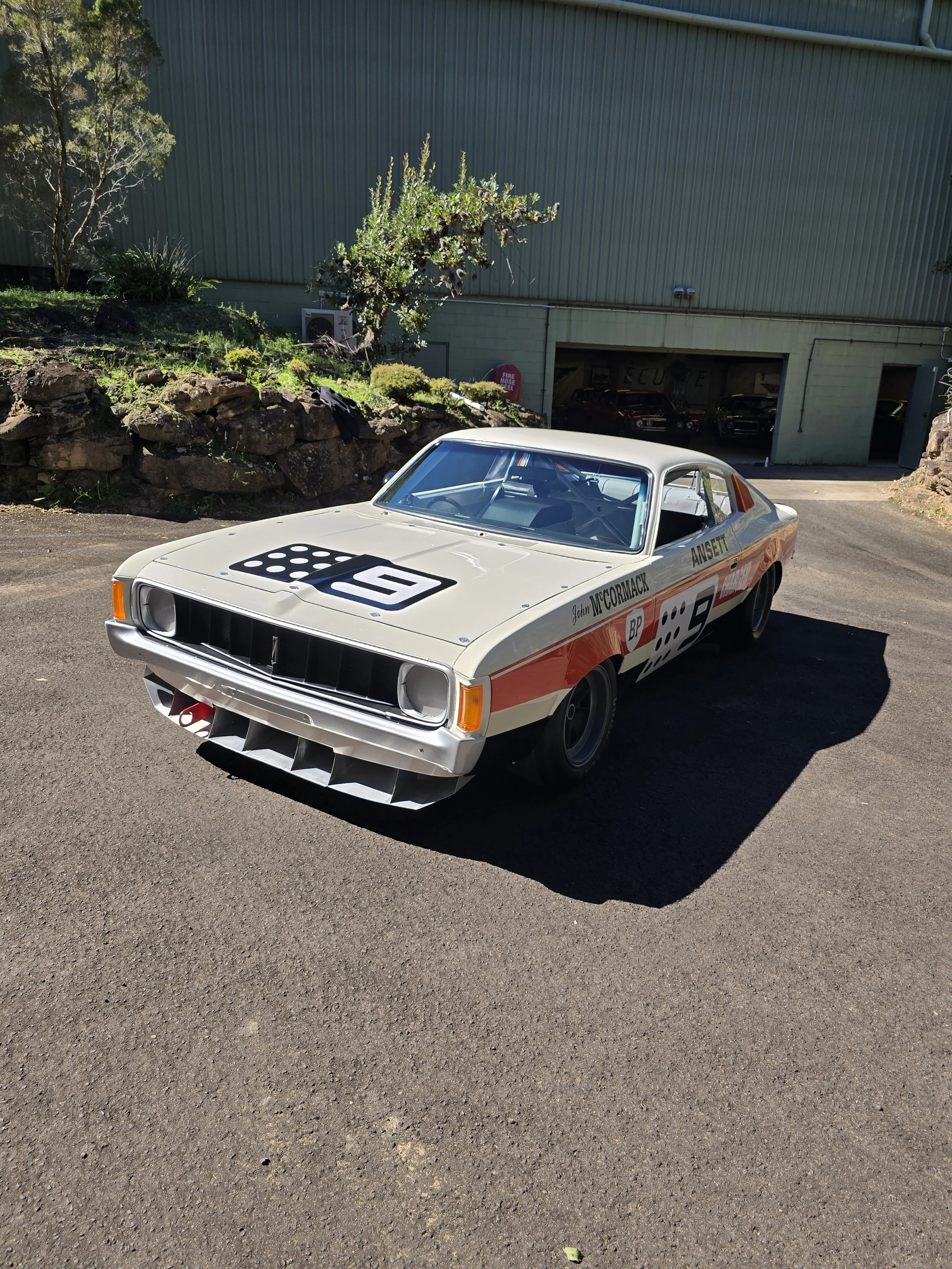
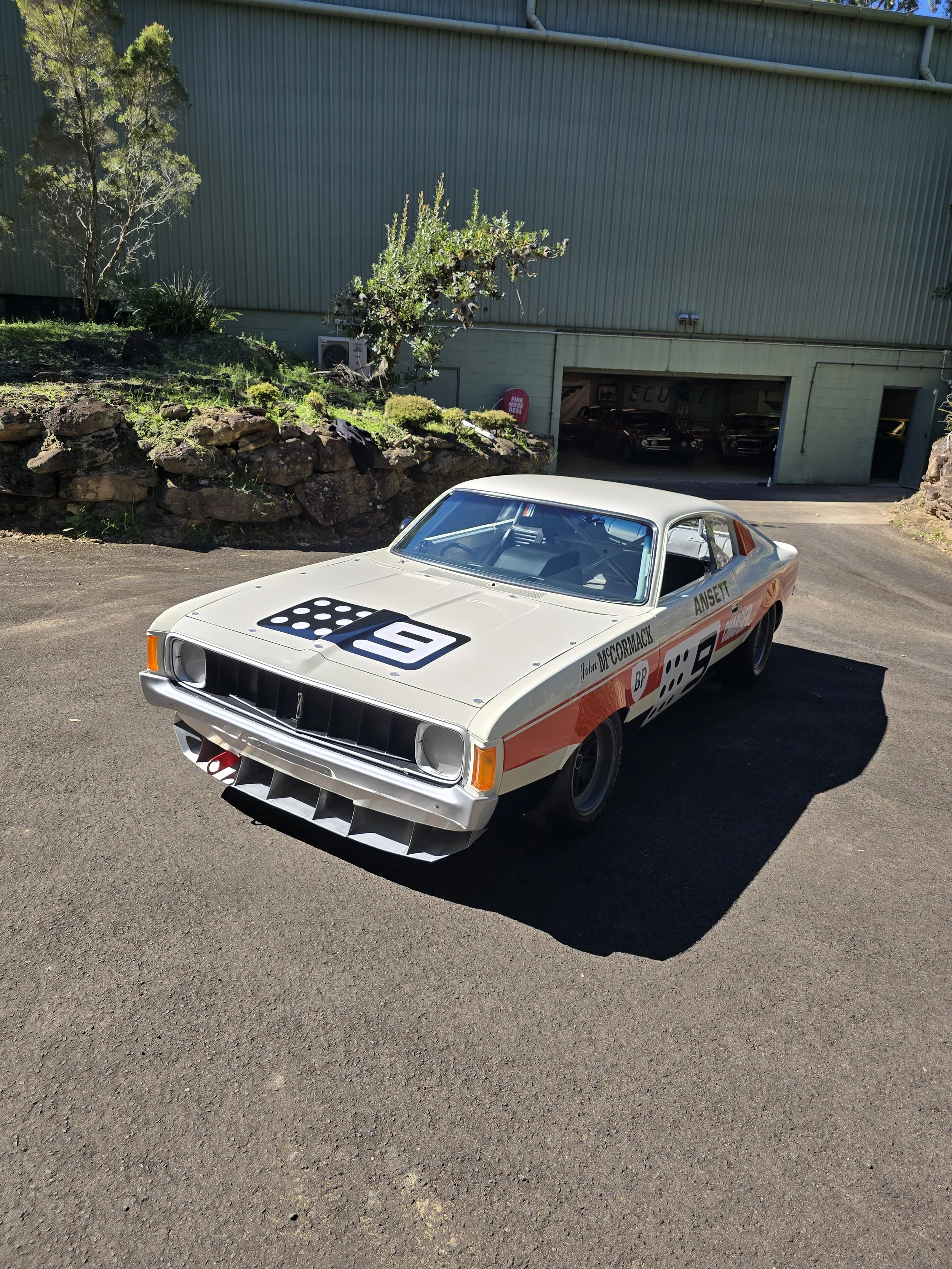
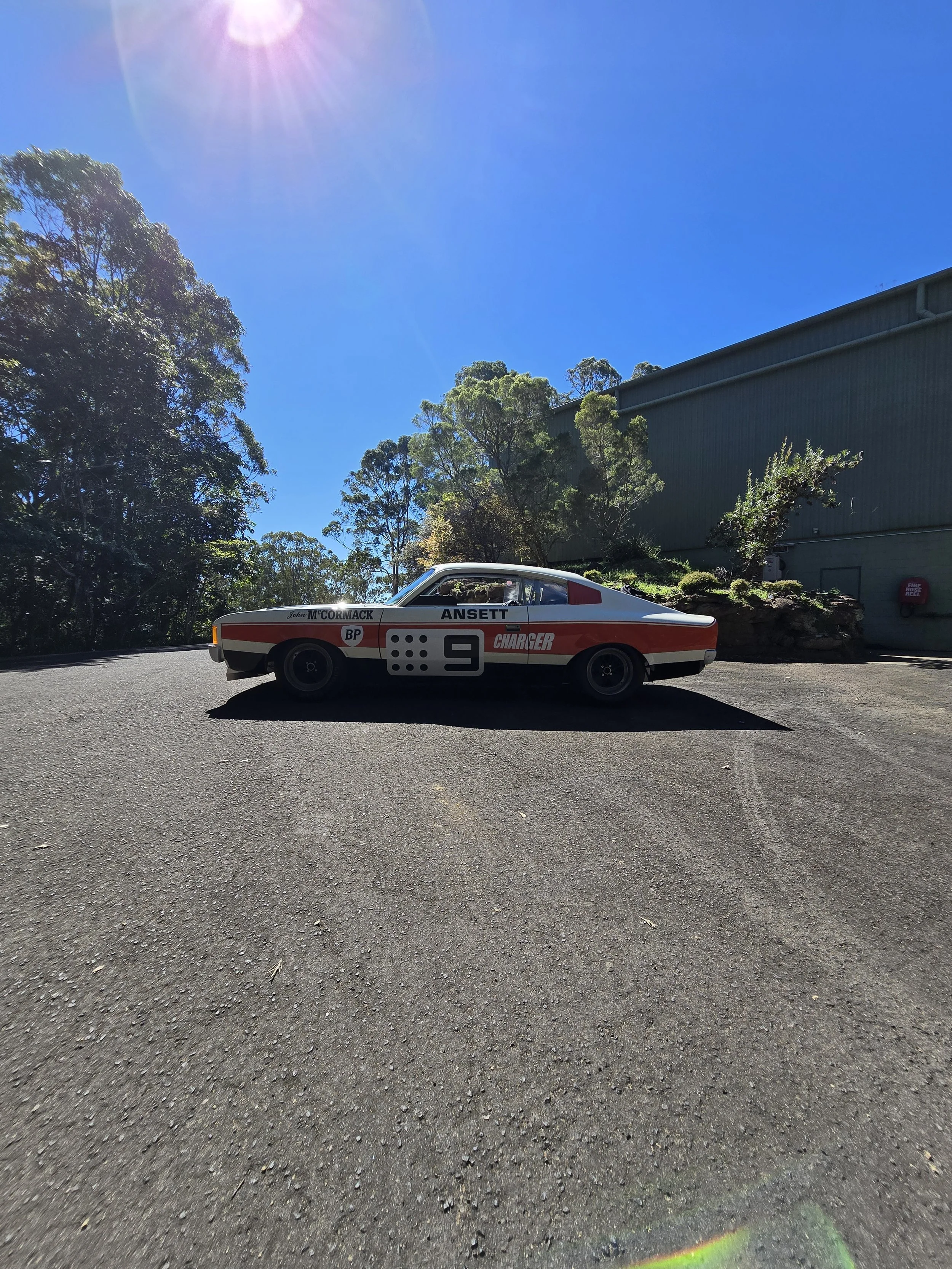
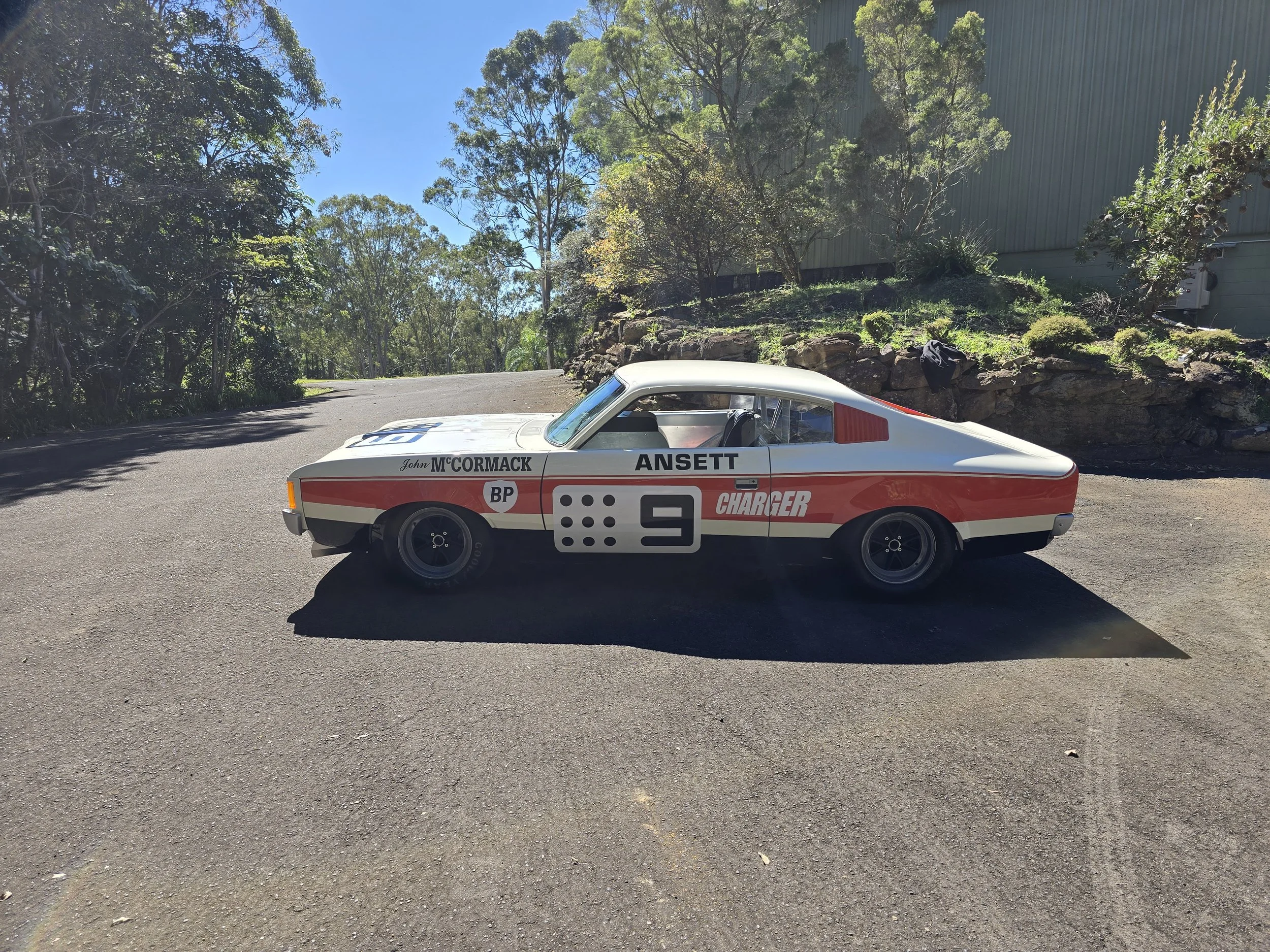
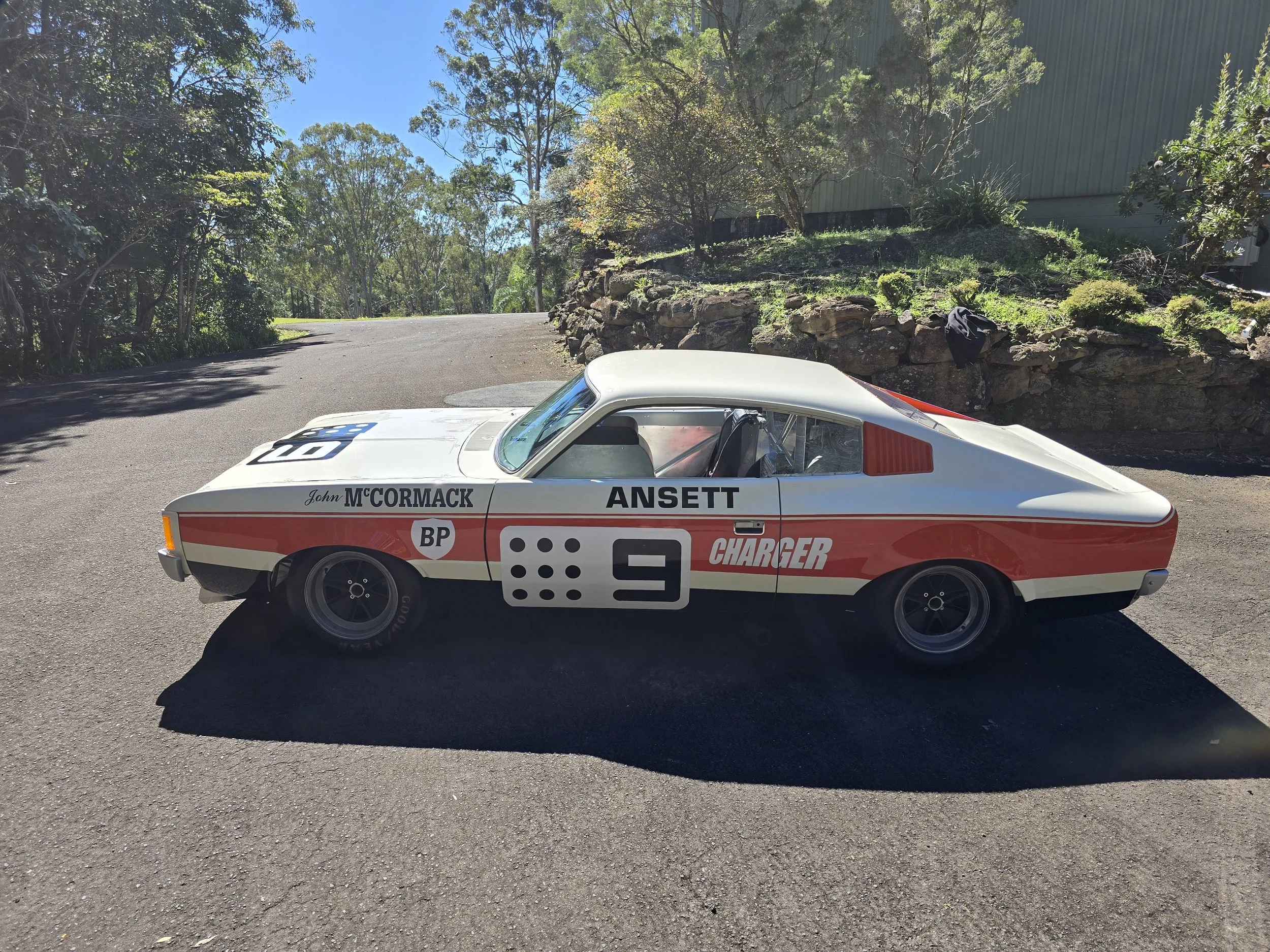
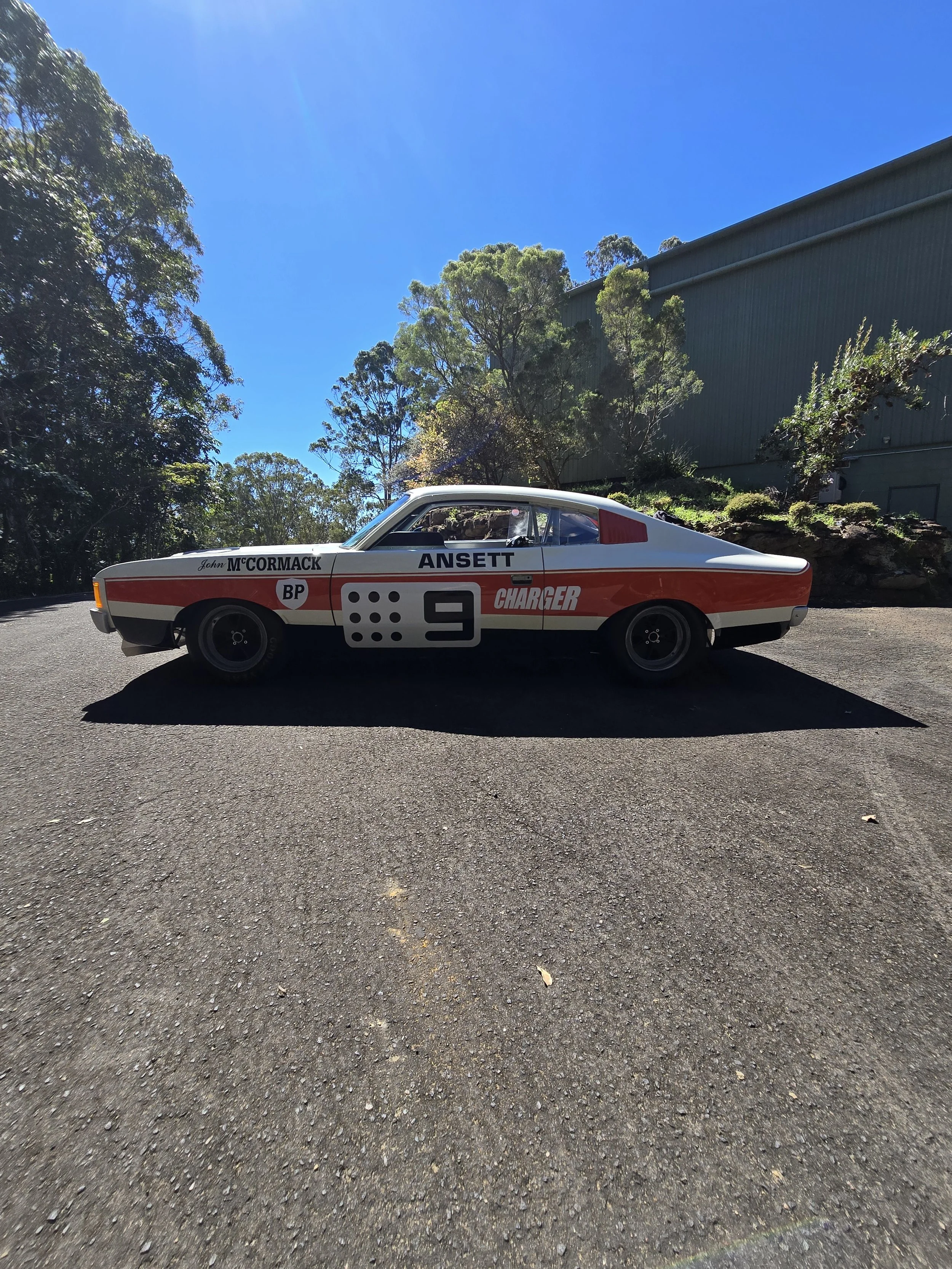
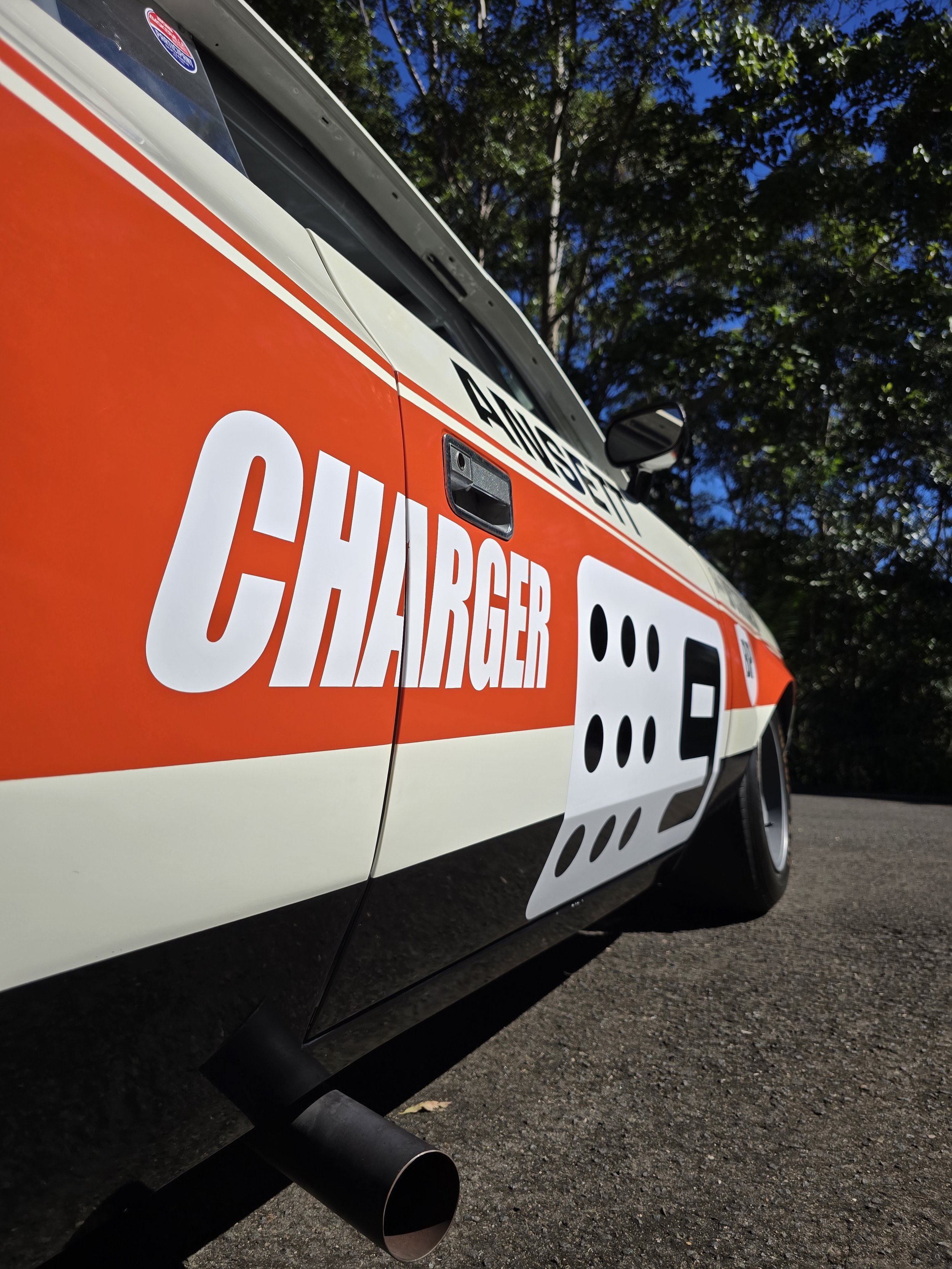
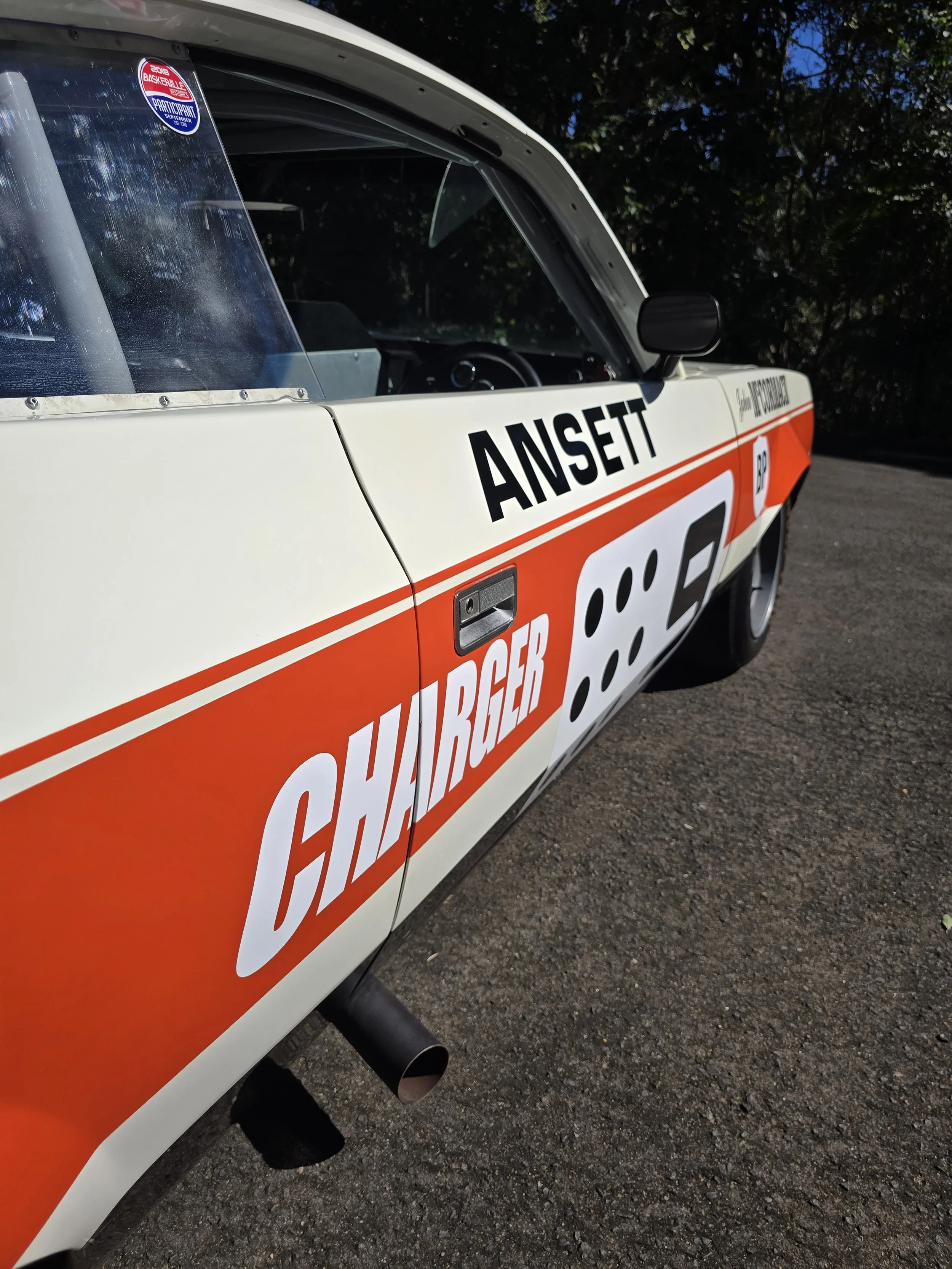
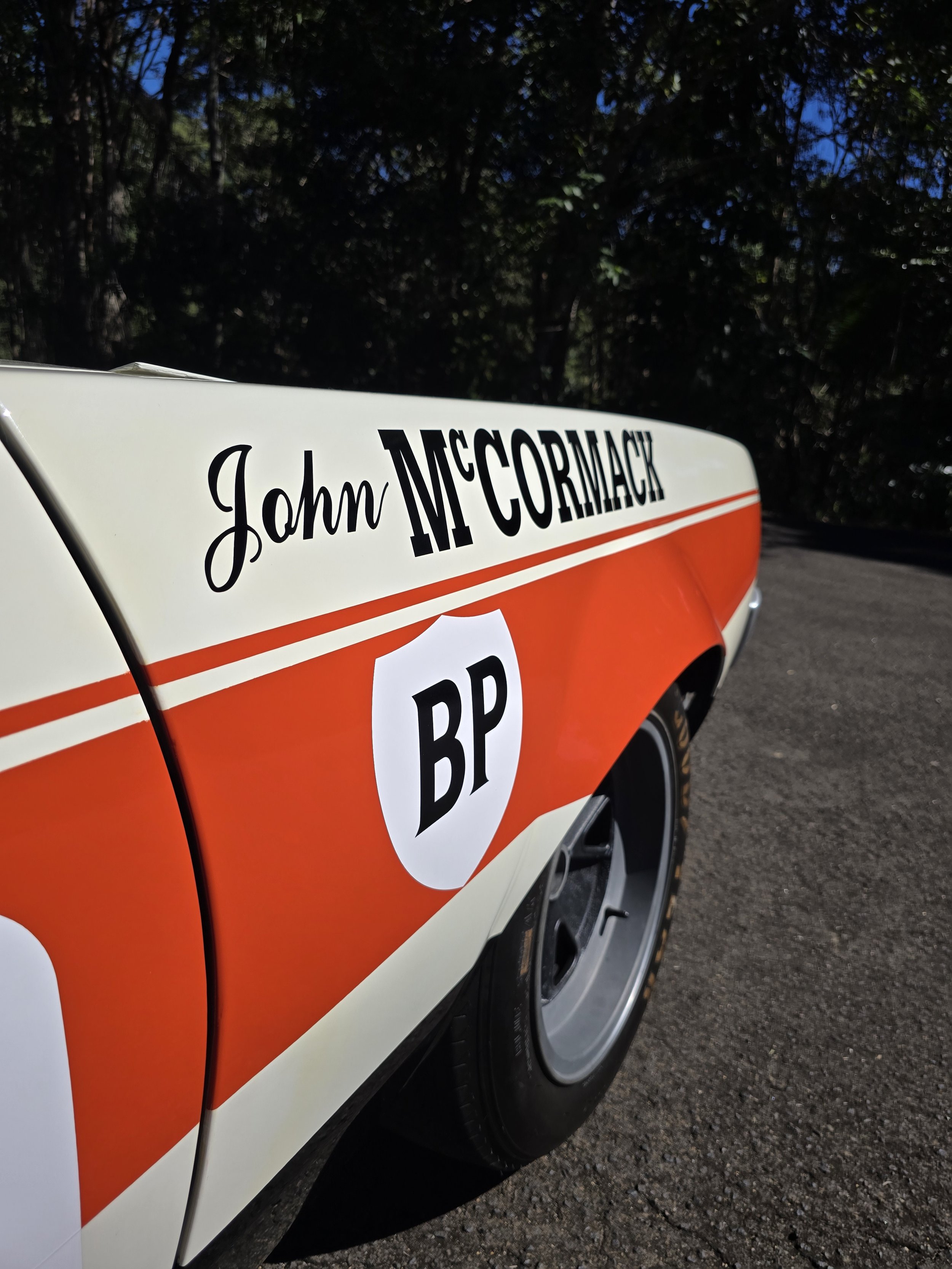
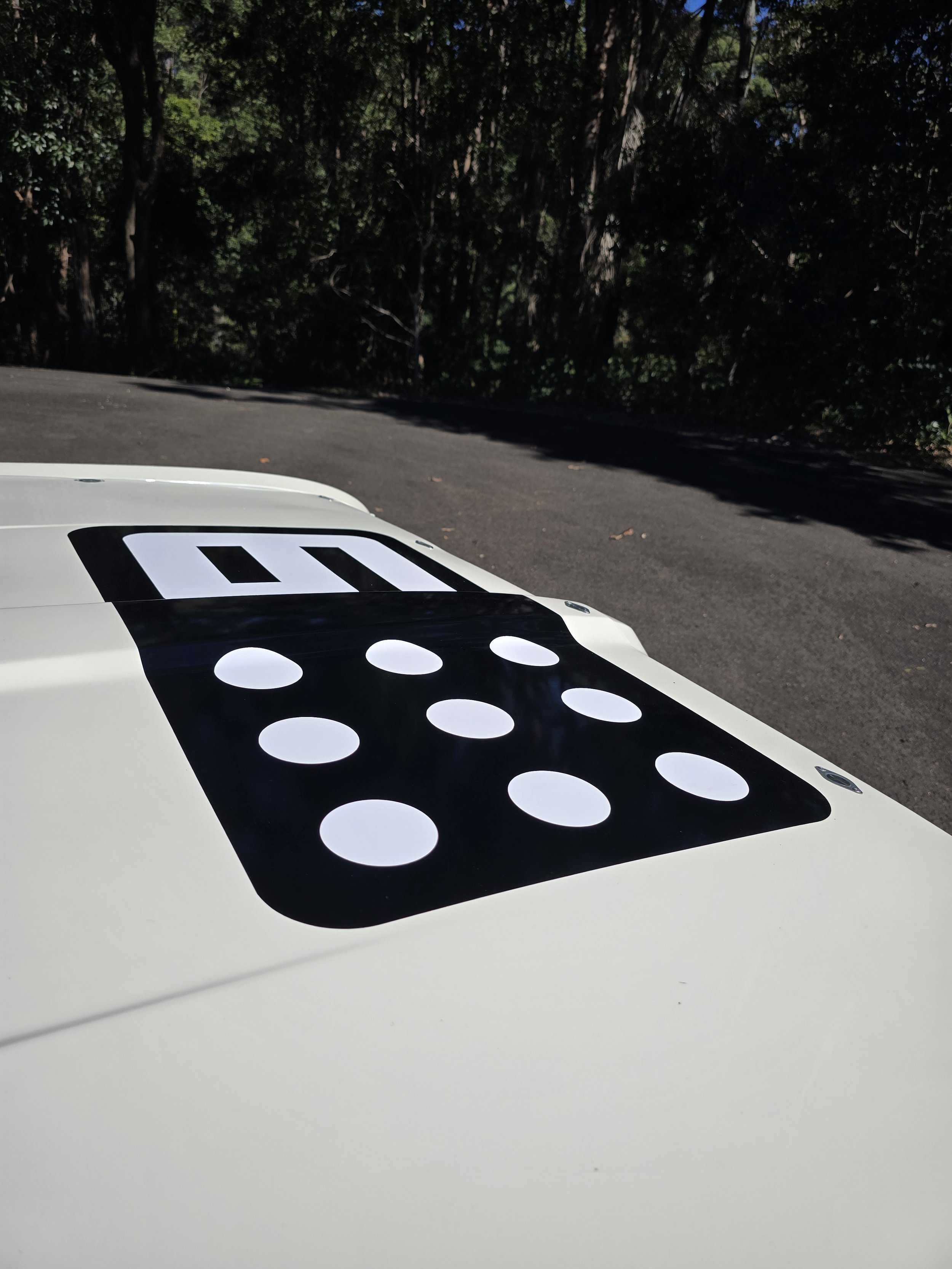
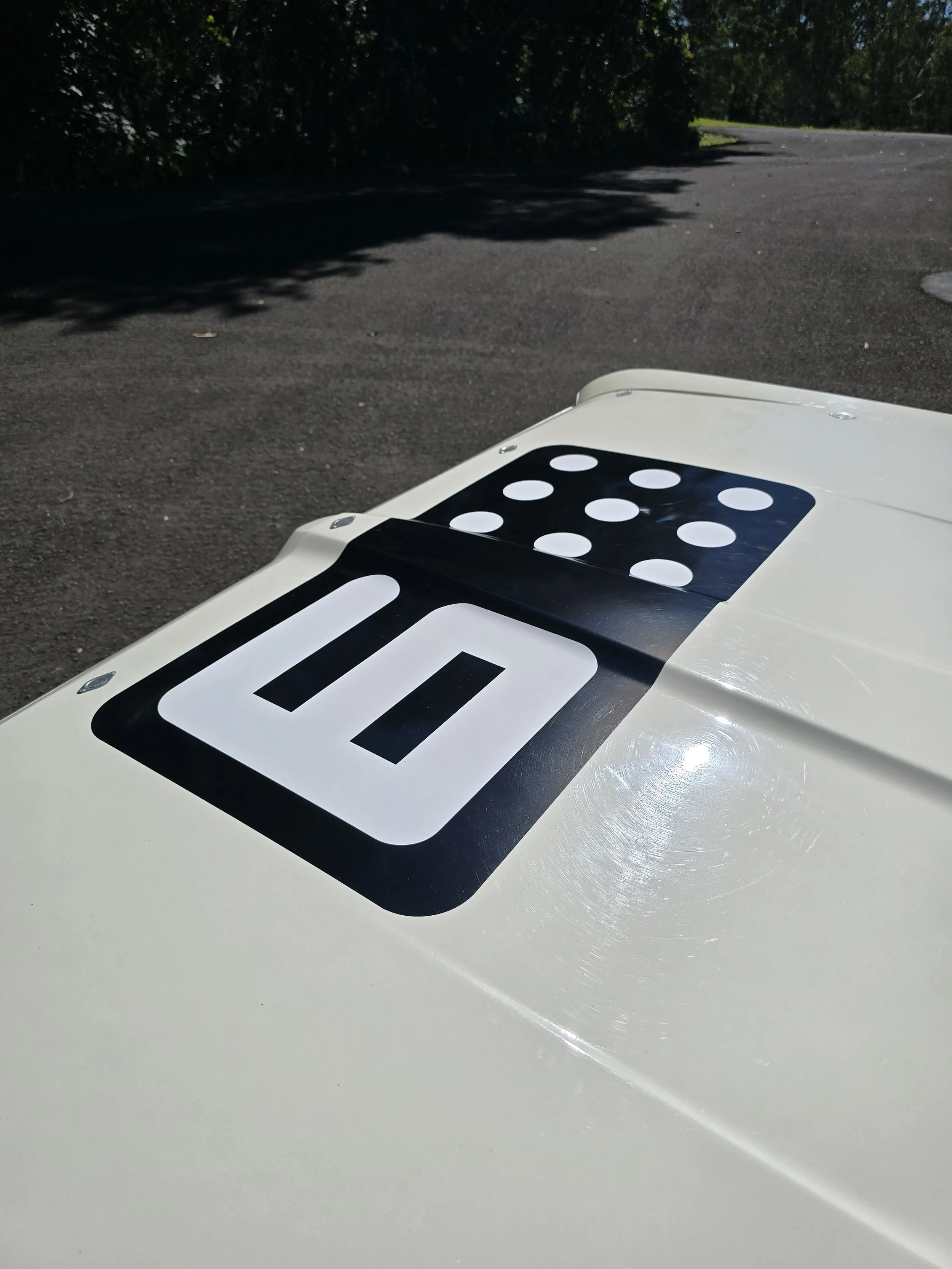
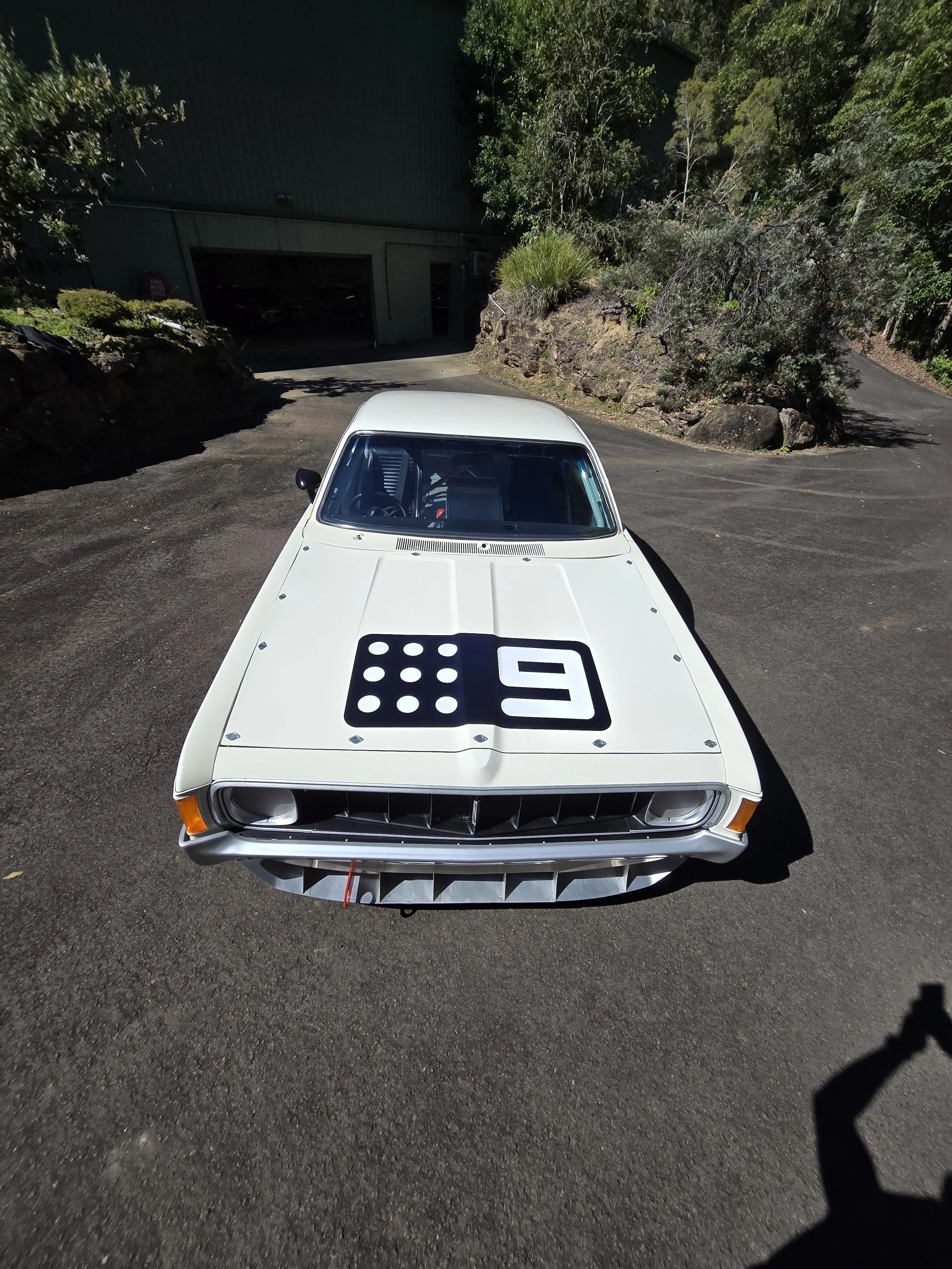
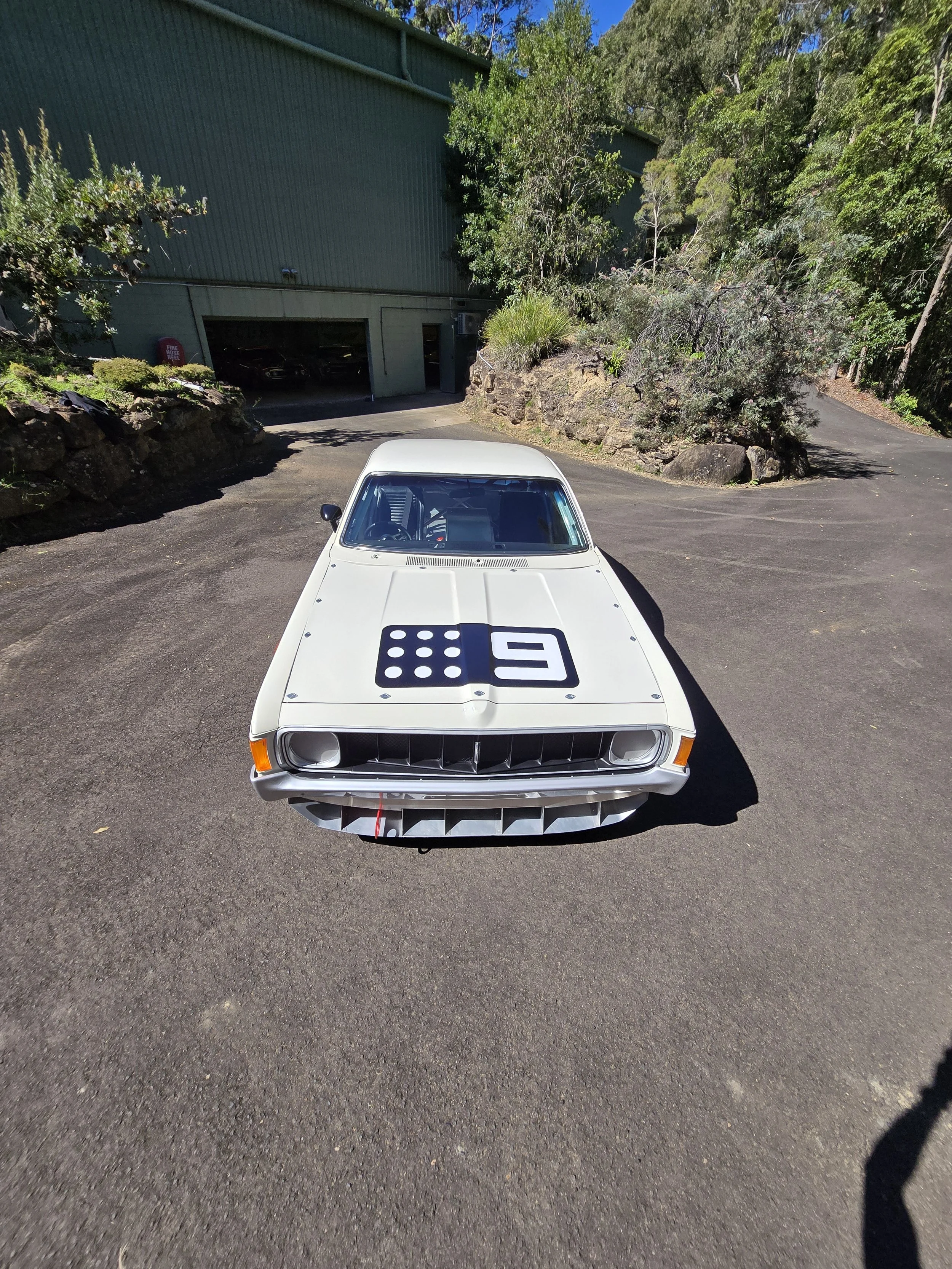
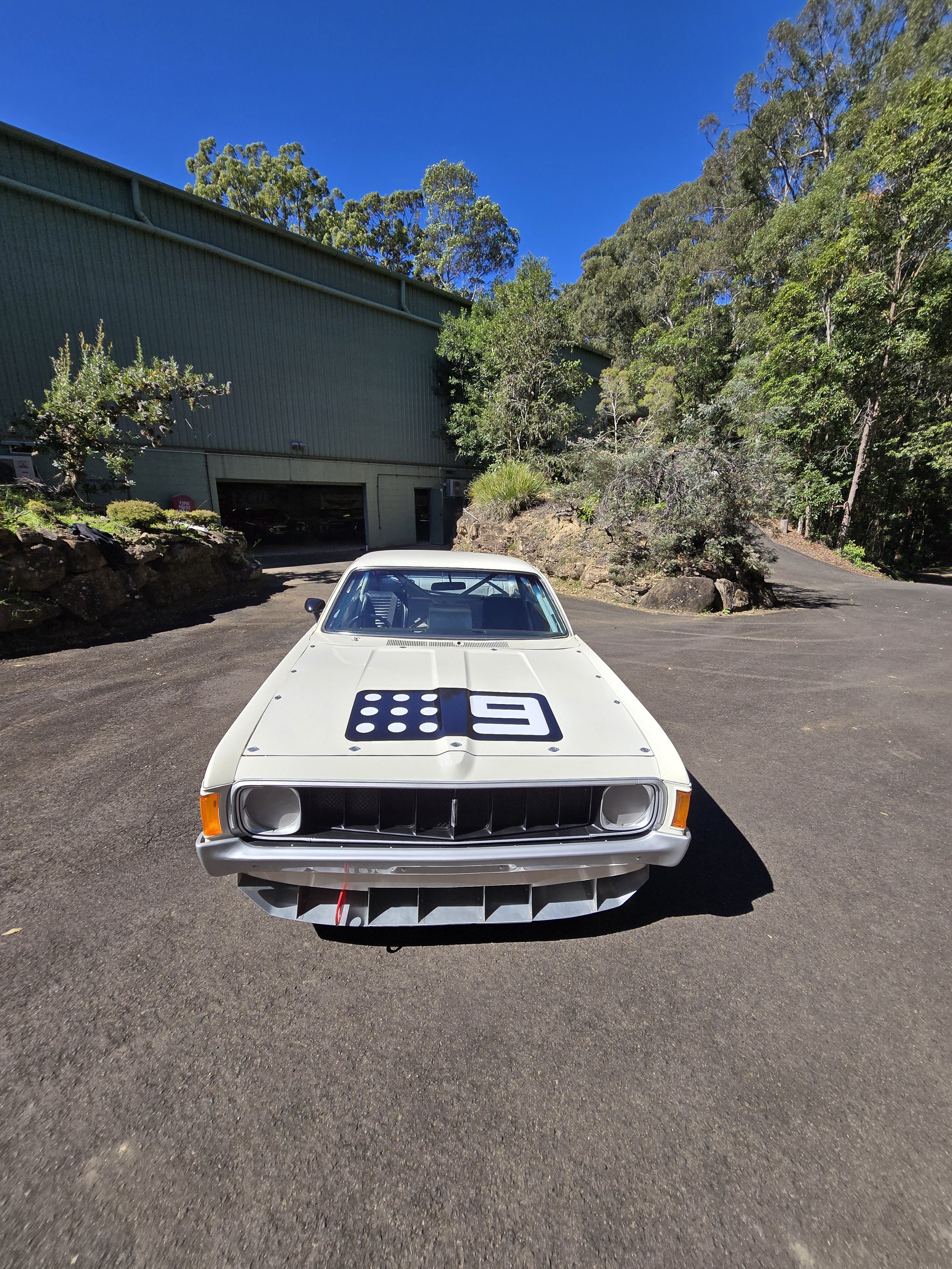
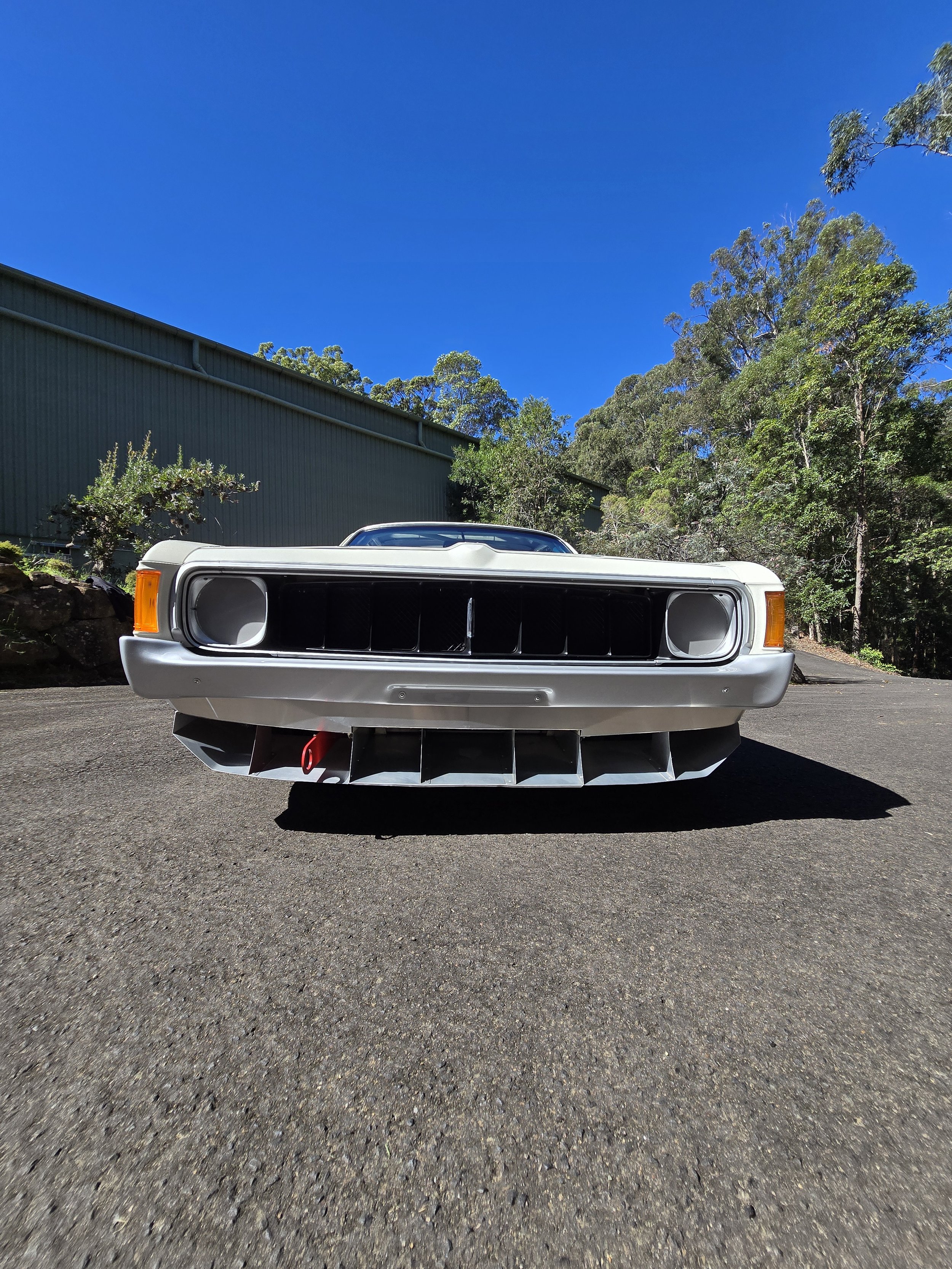
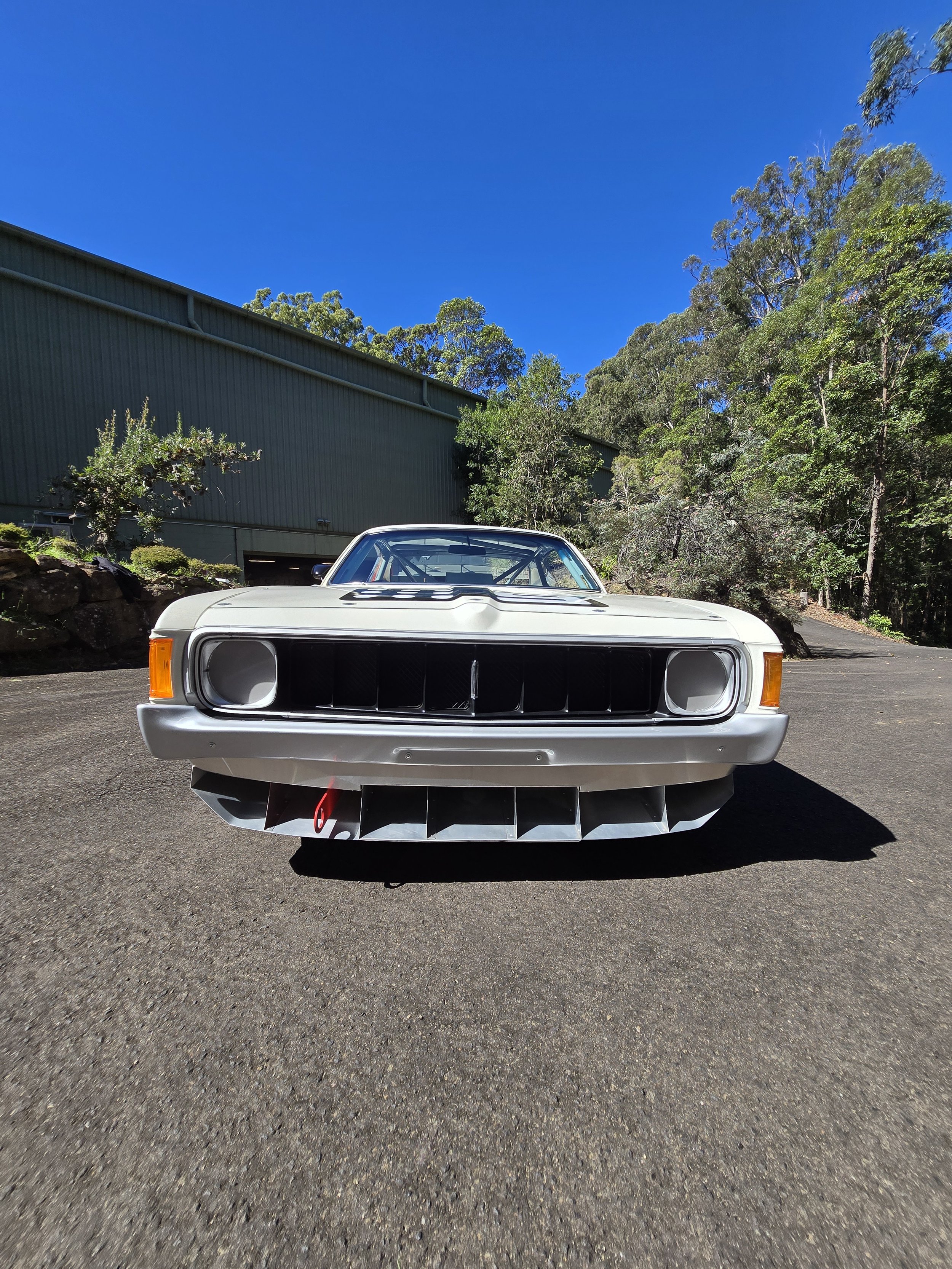
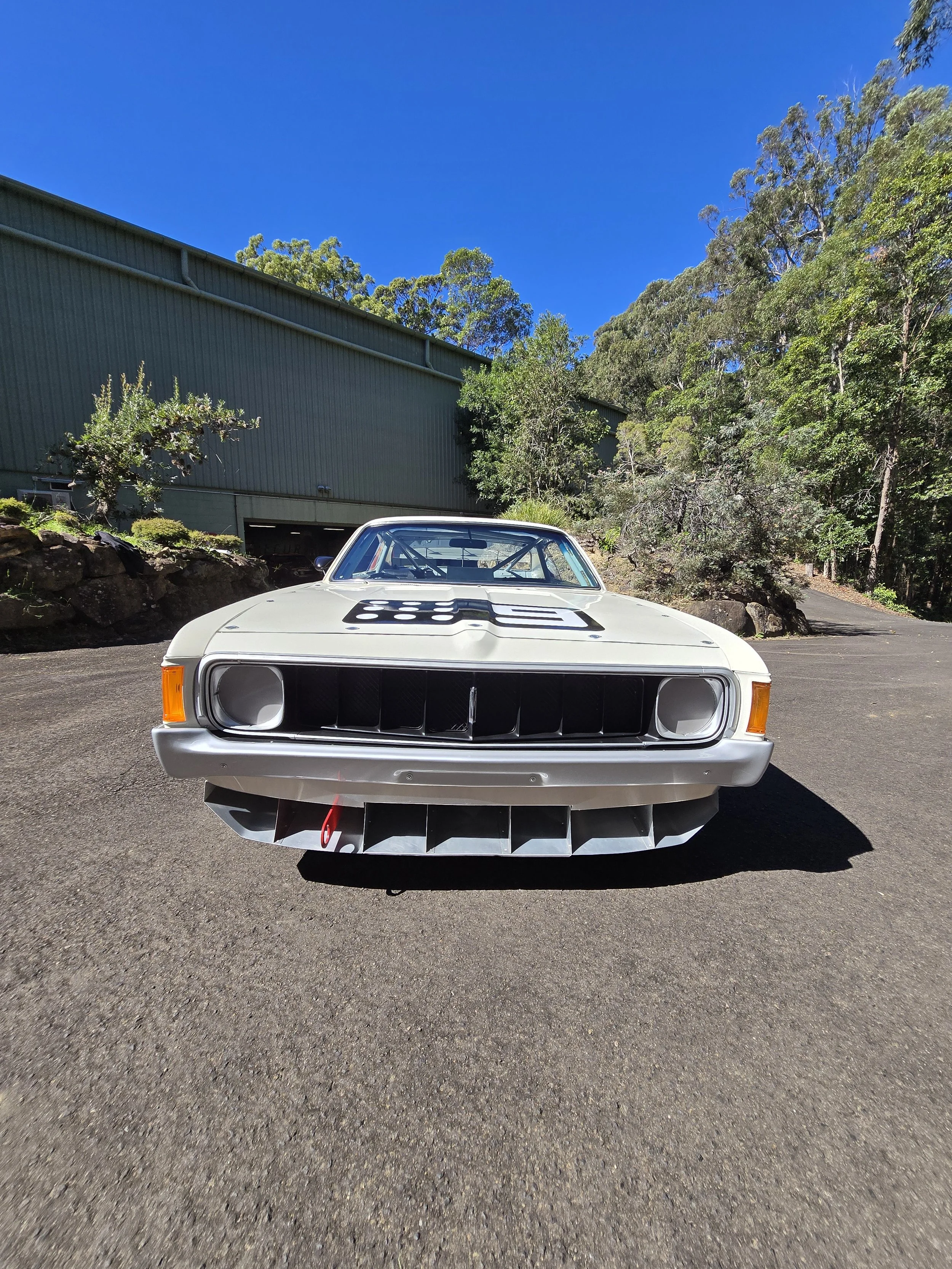
1973 Ex McCormack Valiant Charger
Keen to learn about a factory supported MOPAR racer, which changed the face of Australian Motorsport, that was conceived from spite for the category it dominated: Sounds like an interesting car right?
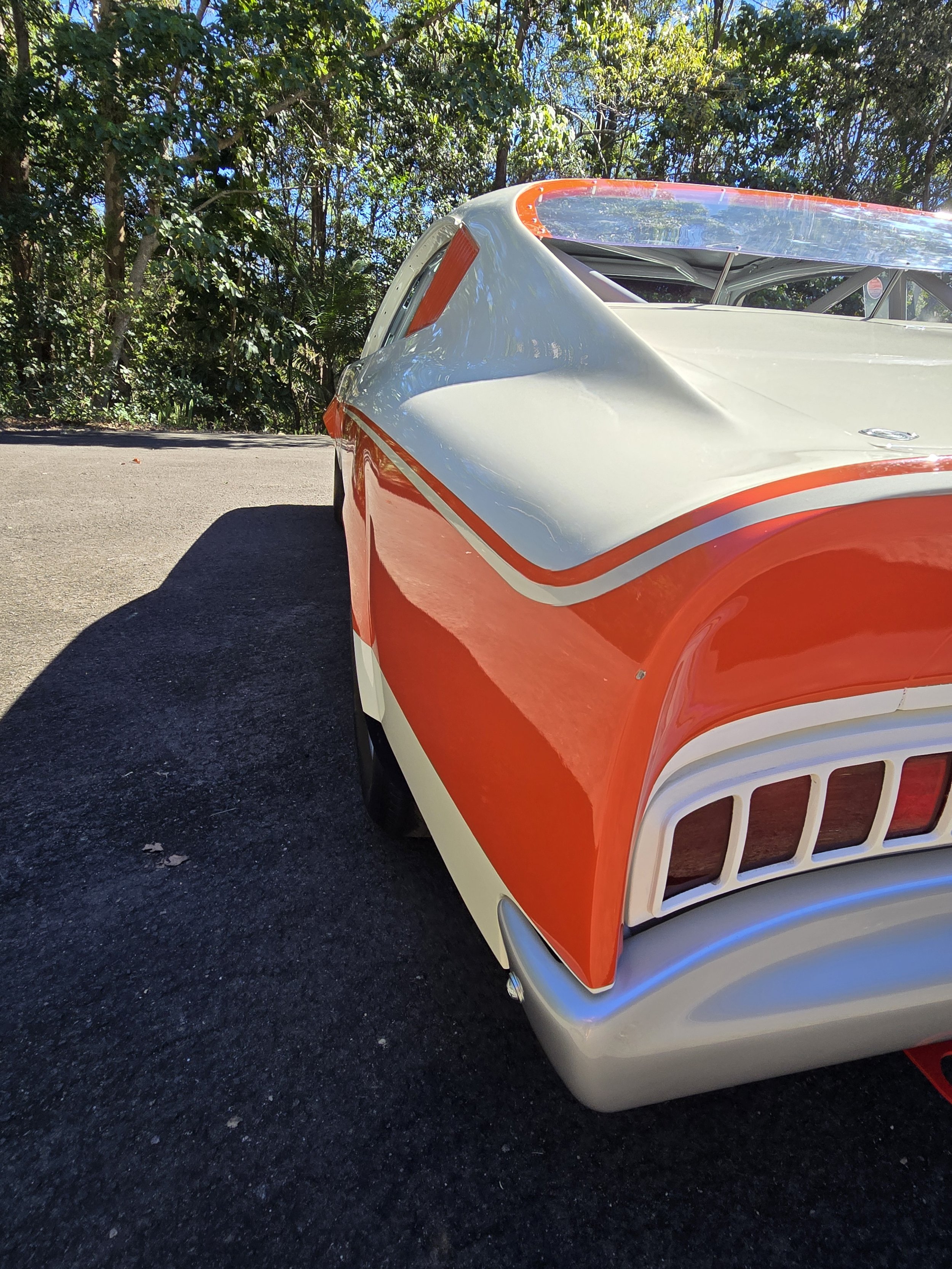
The early story of the mighty Ansett Charger, has many twists and turns, but what I think is most poignant about its conception, is the direct Chrysler factory assistance. Evan Green’s Supercar Scare of 1972 dampened the “Big 3’s” desire to be seen supporting motorsport, but through Harry Aust (Soon to be the “A” in the legendary “K&A Engineering” team) USA ex pat’s Walt McPherson (Head of Engineering) and Gordon Pfeiffer (Head of marketing.) Chrysler factory support was granted. Along with a healthy budget, they got a Dodge truck, the Charger, a host of race spares left over from the E38 and E49 projects. Quite amazingly the package was topped off with 6 complete sets of body panels, pressed in aluminium… Yup.
I’m sure none of those panels ever ended up on the Series Production cars (Snickers).
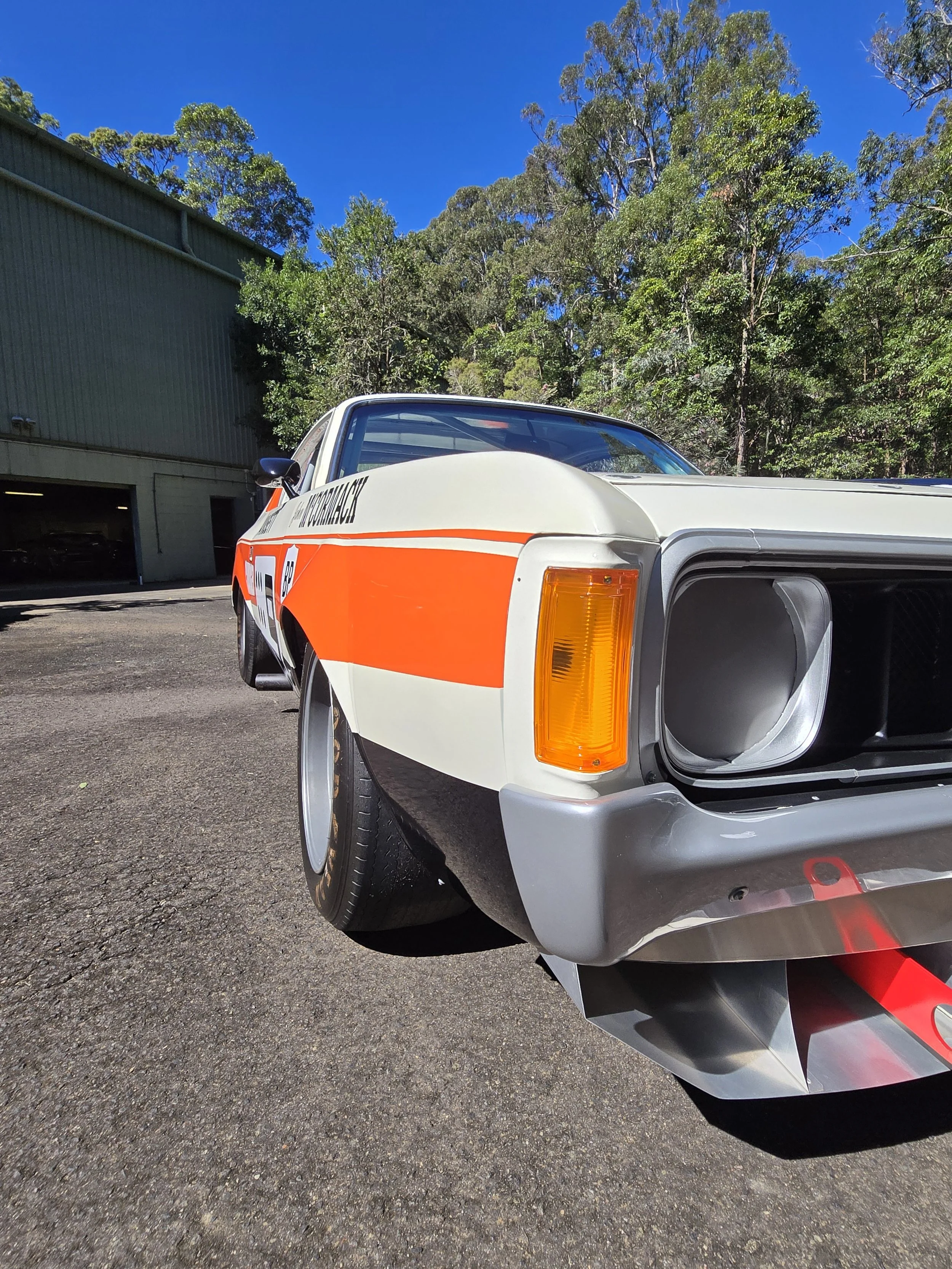
In the early 1970’s, John McCormack was regarded as one of the top motor racing stars in Australia. His racing resume included winning the “Gold Star” 3 times in Australia’s premier and most spectacular open wheeler class, Formula 5000 in 1973, 75 and 77 and also winning the NZ GP in 1973 and 1974. Most of John’s earlier success was in South Australia’s Iconic Elfin cars. A small, dynamic engineering and manufacturing firm. (Elfin is well worth a google kids.)
Between the McCormack / Ansett Elfin’s savvy F5000 crew and Chrysler’s financial and engineering support, the once lofty concept of a mid-mounted touring car, became a reality. The fact that they mostly got it right, straight “out of the box”, speaks loudly of the team’s expertise in hiding an Elfin MR5, with dual Hewland transaxles, all under a gorgeous, lightweight, mid-mounted Charger body. It gets even wilder; the choice of a REPCO – Holden F5000engine might seem curious on a Chrysler backed venture, but familiarity, reliability and a quest to achieve a near 50:50 weight distribution, outweighed the brand prestige for the MOPAR team.I’m sure the Lucas MFI equipped V8’s 525 HP and relatively generous, mid-range torque helped seal the deal.
Despite the team’s best efforts for a late 1973 start, 1974 was the cars race debut and soon it became the car to beat. The Sports Sedans class of 74 was a mixed bag of older Improved Production racers, Porsche RSR’s and a new breed of radical racers like the Charger. The 1st round if the Toby Lee series at Oran Park was the definitive moment that the Charger went from having potential, to being “the car to beat” with it beating all comers in the $30,000.00 series (About $310K in 2026). The Charger had 42 starts for the 1974 season, with an amazing 37 podiums and 27 outright wins. Staggering stat’s for a debut season, especially when you factor in the experimental nature of the car.
With success following the Charger all over Australia, the mid-engined / F5000 inspired underpinnings, quickly became the concept to have, if you wanted a front running car. This relegated the old generation of Improved Production cars, like the Moffat Mustang, Geoghegan Superfalcon and Beechey Monaro into either retirement, or official “B-grade / mid-field” status. Through the Elfin Team Ansett Chargers innovations, the entire premise of what makes a successful Sports Sedan changed and has never deviated too far from the Chargers formula to this very day. Pretty impressive stuff.
McCormack’s Charger program backed off for 1975 with his focus shifting to his beloved Leyland P76 powered F5000 McLaren. Despite the Chargers second tier status, McCormack still had 29 starts for 22 podiums with 8 wins outright. With the job done for Chrysler and his bank account happy, the Charger was sold to Tassie racing patron Don Elliott, for Tony Edmondson to race. Part of the deal was an ongoing sponsorship agreement with Chrysler Australia for parts and the Dodge transporter. Eliott and Edmondson managed a very credible 3rd in the championship for 1976, but results lessened in 77 and 78. South Australian Dave Ferrall raced her from 1979 to 84 then Peter Finch, both of whom preferred the go to engine of Sports Sedans racing; the 350 Chev. In 1987the Charger moved to WA with Craig Marsland, who stripped her for a Jag XJS Sports Sedan project. The rolling shell was sold to WA historian Don Behets and she then waited for the next 25 years. Current owner Mark Trenoweth, a good friend of John McCormack, owning and racing his old XJS Jaguar, sought out the Charger. He purchased the Marsland XJS Jag that held the Chargers parts, then purchased the rolling shell from Behets.
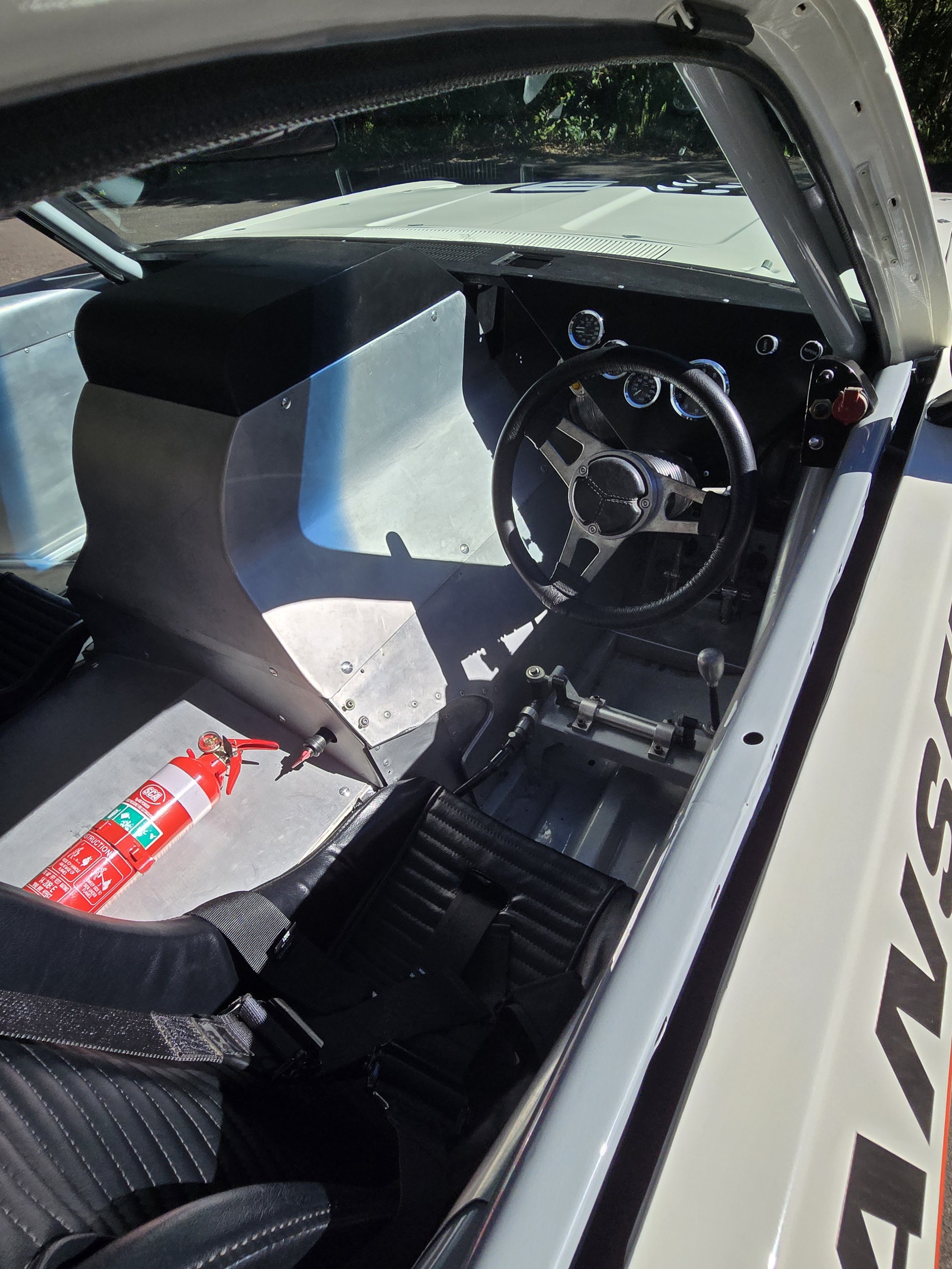
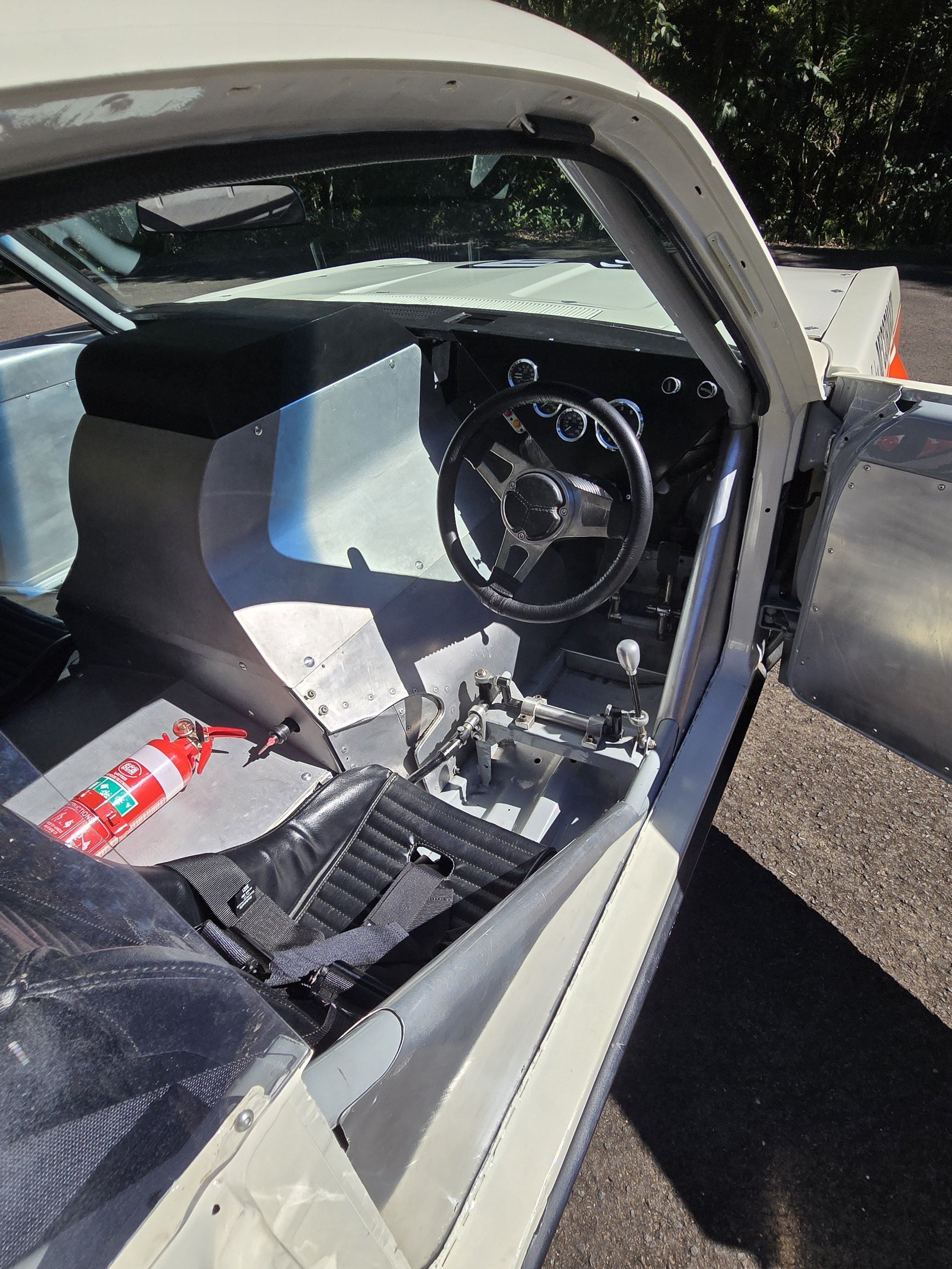
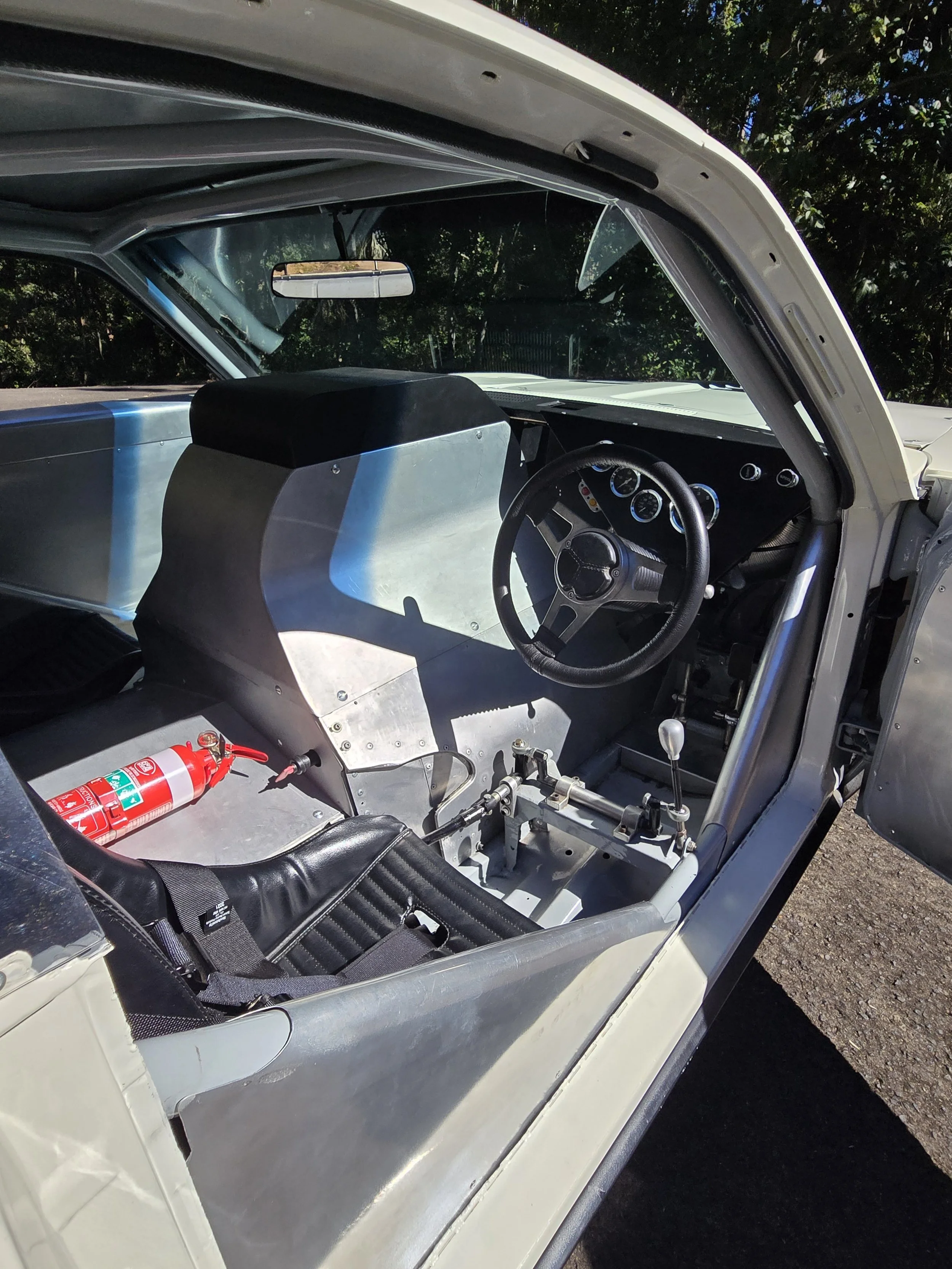
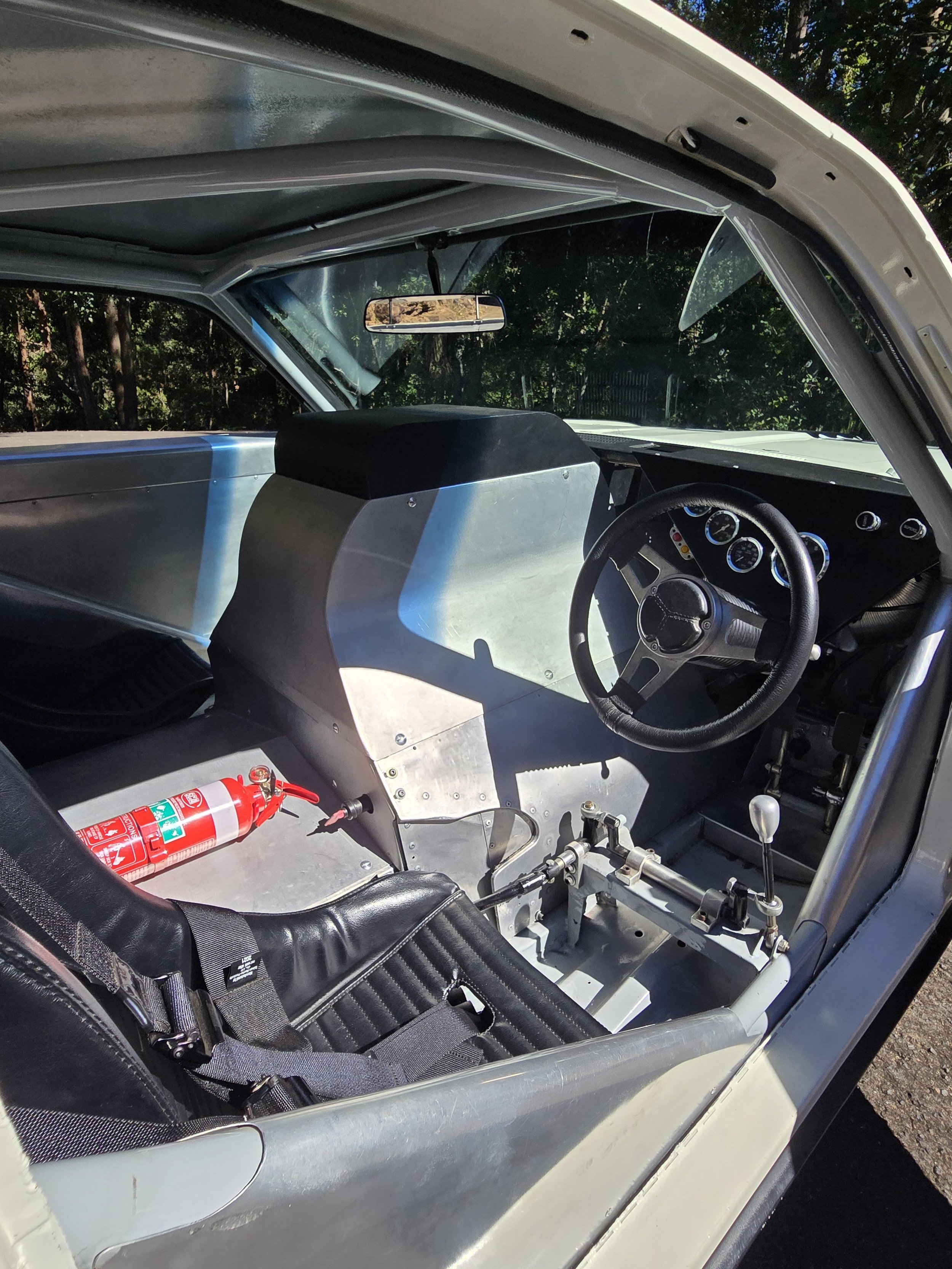
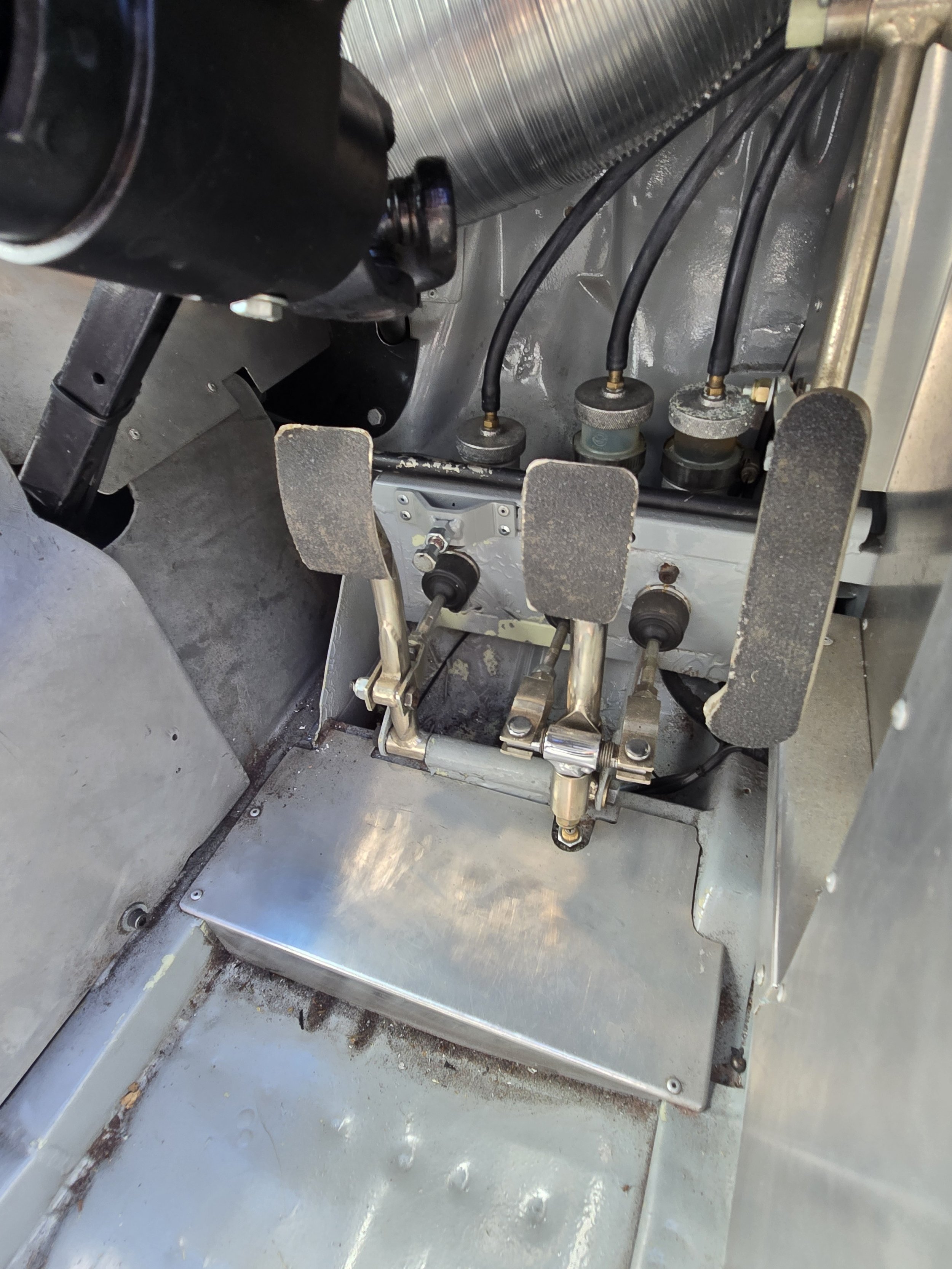
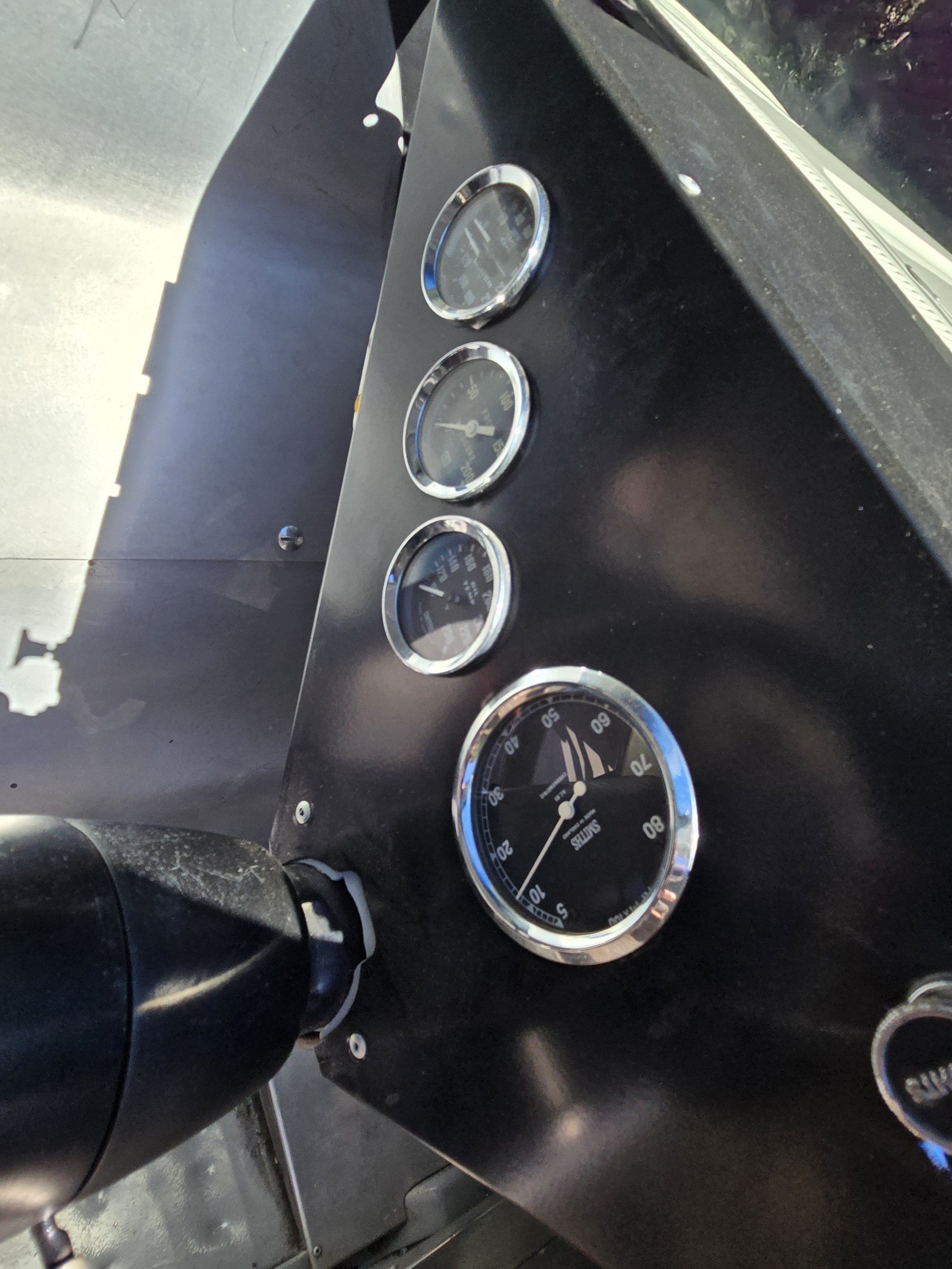
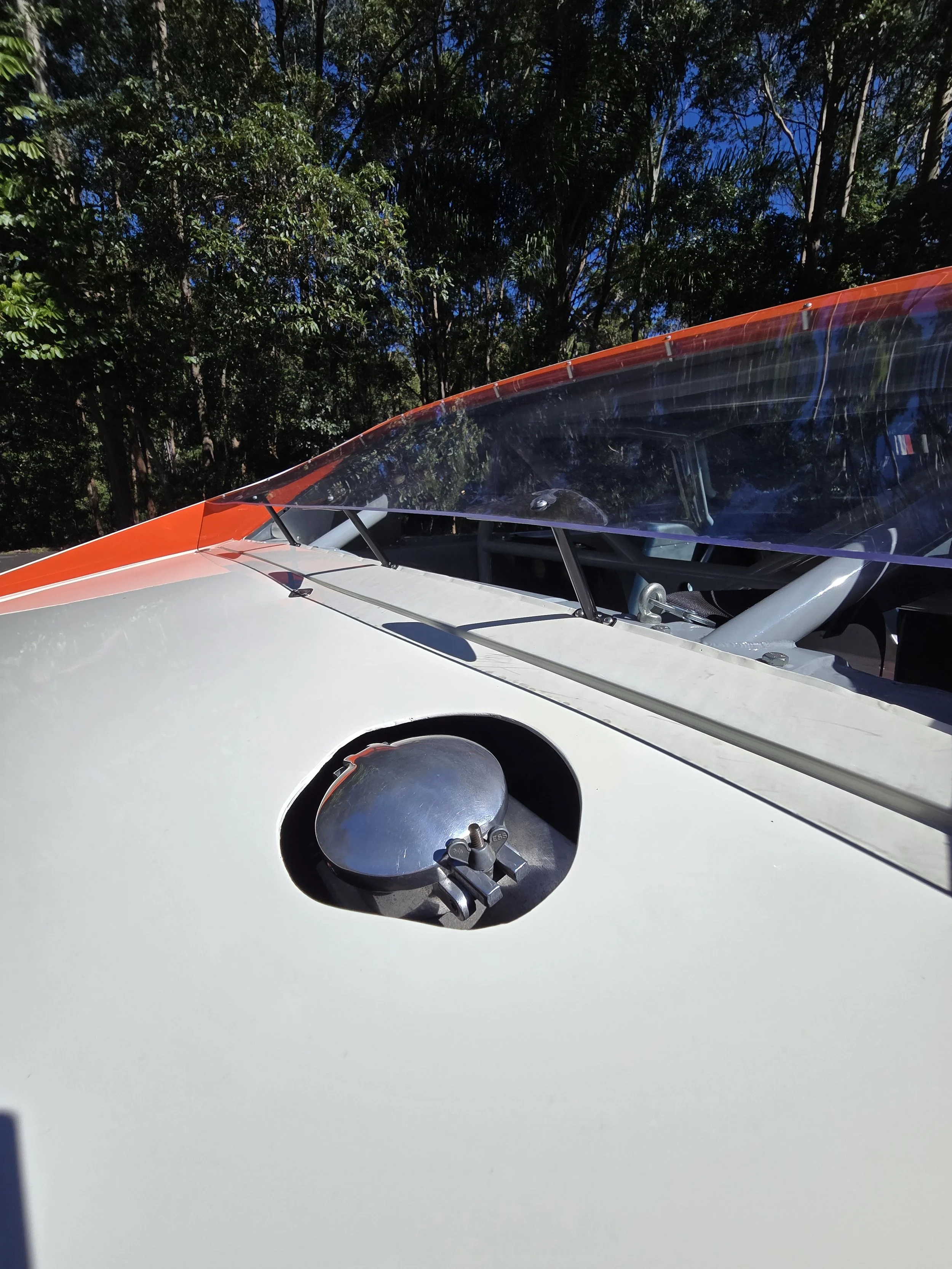
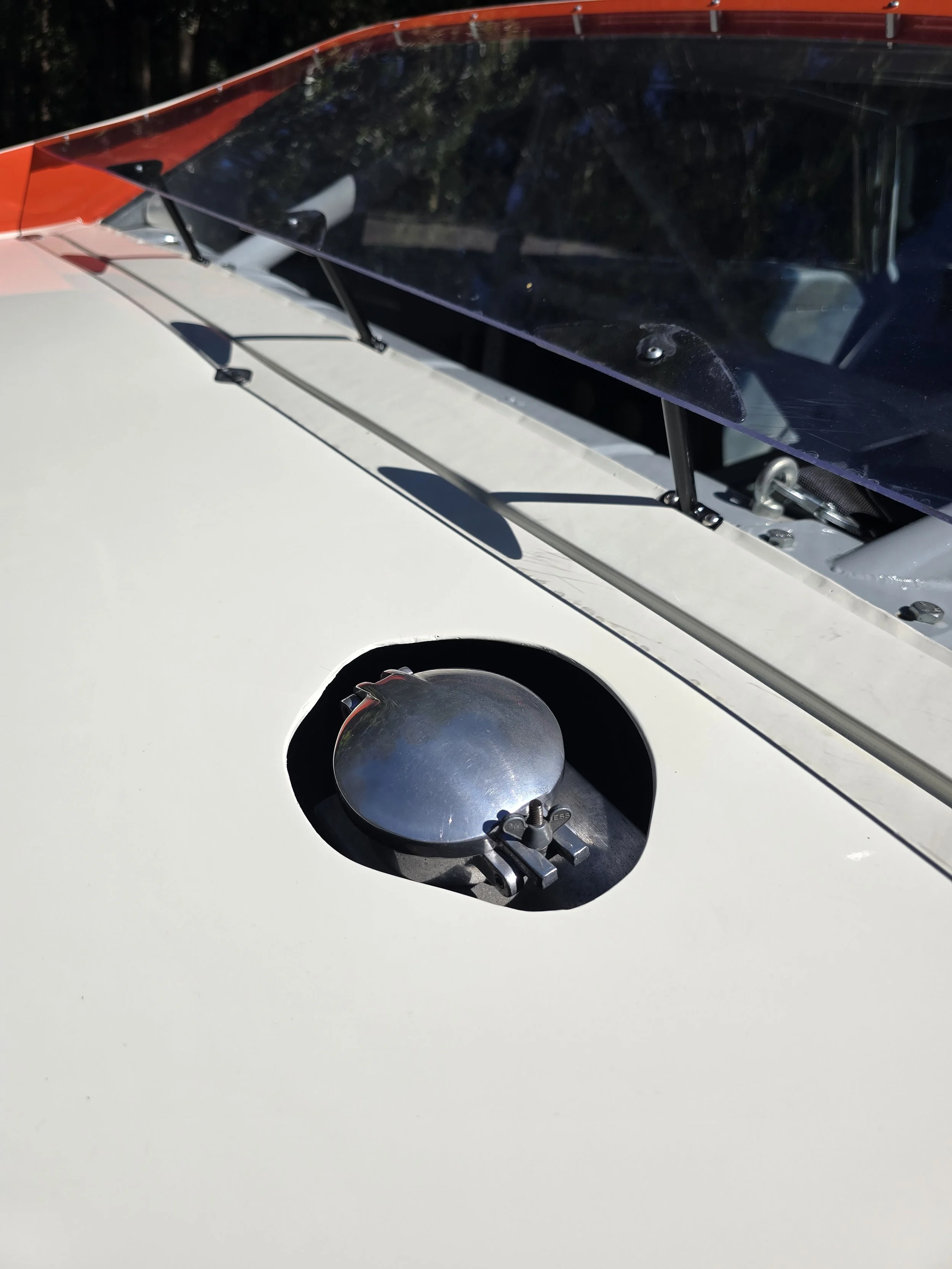
In 2012 a massive restoration commenced, the type of which makes me both wince with pain, but gleam with admiration. The detail and vast amounts of hours / dollars poured into this stunning, factory back racer is mind boggling. It may be Australia’s most detailed and expensive race car restoration to date? McCormack was involved in the restoration, which was managed by Peter Tighe, son of the late, great engineer Ivan Tighe. Great pains were taken to ensure the car is 1974 correct, with the only concession to modern standards, being the roll-cage, which was only originally in place to support the rear in putting 500+HP to the ground. A sympathetic, but modern steel cage was installed, ensuring safety for the occupant. When questioned about the lack of safety in the original structure, McCormack replied “Ignorance is bliss.”
The cars mechanical and restoration specs, invoices and receipts are available upon request. The car comes with CAMS logbooks and would be a welcome and popular addition to any historic race meeting in Australia, New Zealand and anywhere that loves MOPAR race cars.